
Selecting a 38-inch guitar as a beginner in Singapore requires looking past flashy marketing to evaluate actual build quality, playability, and local after-sales support. While a smaller 38-inch instrument—often classified as a three-quarter (3/4) size or travel guitar—offers excellent ergonomics for younger players, smaller adults, and frequent travelers, its compact frame is highly sensitive to manufacturing defects. In Singapore’s humid tropical climate, choosing a brand that utilizes stable materials and maintains strict quality control is essential to prevent warping, lifting bridges, and structural failure.
To find a reliable instrument that supports your learning journey, you must understand how different brands construct these compact guitars and how to inspect them. By focusing on structural integrity, hardware reliability, and local distributor support, you can secure a high-quality instrument that remains playable for years. This guide outlines the essential technical standards, local market considerations, and physical inspection steps to help you make an informed decision.
Understanding the 38-Inch Guitar Form Factor
When evaluating a 38-inch guitar, it is important to distinguish between the overall length of the instrument and its scale length. The overall length of 38 inches refers to the measurement from the top of the headstock to the bottom of the lower bout. The scale length, which is the distance between the nut and the bridge saddle where the strings vibrate, typically ranges from 22.8 to 24 inches on these models. This shorter scale length reduces string tension, making it significantly easier for beginners to press down on the strings and form chords.
Products mentioned in this guide
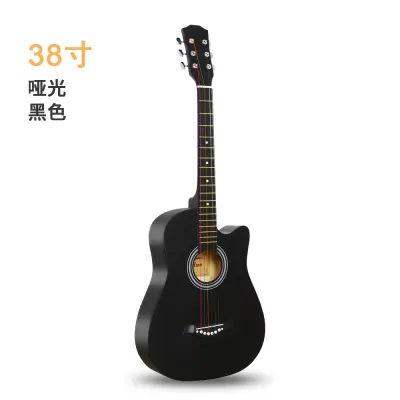
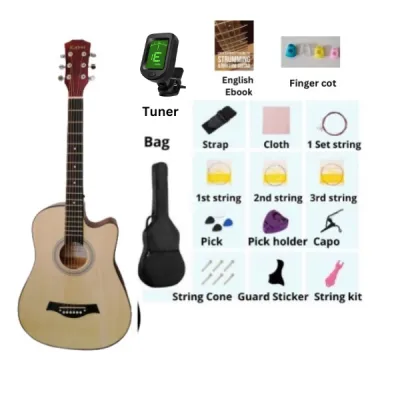
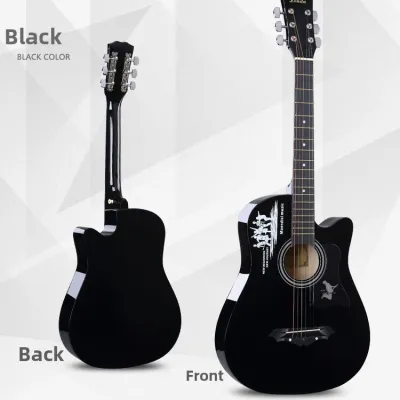

Prices are valid at publication and may change. Please refer to the product page for the latest price.
The 38-inch form factor generally manifests in three primary body styles: parlor, travel, or three-quarter classical shapes. Parlor guitars feature a elongated, narrow body that emphasizes midrange frequencies, making them excellent for fingerpicking. Travel guitars often feature non-traditional, contoured bodies designed for maximum portability. Three-quarter classical guitars utilize nylon strings and wider fretboards, offering a softer feel under the fingers that is highly suited for classical and folk styles.
While this compact size is ideal for younger players, adults with smaller hands, or those with limited storage space in Singapore apartments, it does come with physical trade-offs. The smaller air chamber inside a 38-inch body naturally limits bass response and overall projection volume compared to a full-sized 41-inch dreadnought. If your long-term musical goals involve playing in loud acoustic ensembles or projecting deep, resonant bass tones, a full-sized guitar may be a more suitable long-term investment.
Key Standards for Evaluating Entry-Level Guitar Brands
Singapore’s relative humidity regularly hovers between 70% and 90%, presenting a challenging environment for wooden musical instruments. When evaluating beginner guitar brands, pay close attention to wood selection and laminate consistency. Solid wood tops are highly responsive but swell and contract dramatically with humidity changes, which can lead to cracking. For beginners without a dedicated humidity-controlled room or dry cabinet, brands that use high-quality layered laminates or high-pressure laminates (HPL) offer superior structural stability and resistance to warping.

The quality of the hardware is another critical differentiator between reputable manufacturers and budget brands. Look for brands that equip their instruments with sealed, die-cast tuning machines rather than cheap, open-gear alternatives. Sealed tuners protect the internal gears from dust and moisture, ensuring smooth tuning adjustments and superior pitch stability. Additionally, check the material of the nut and saddle; reliable brands use dense synthetic bone materials like NuBone or PPS, which transfer string vibration more efficiently than soft, injection-molded plastics.
Factory setup standards dictate how easy the guitar is to play straight out of the box. Reputable brands invest in proper fret dressing, ensuring that the metal fret wires are level and their edges are smooth and rounded. Poorly finished frets can scrape your fingers or cause localized buzzing when you press down on the strings. Furthermore, reliable brands set a comfortable initial action height—the gap between the strings and the frets—preventing the hand fatigue and finger pain that often cause beginners to abandon the instrument.
Verifying Brand Support and Availability in Singapore
When purchasing a beginner guitar, where you buy is just as important as what brand you choose. Purchasing a brand represented by an authorized local music distributor in Singapore offers significant advantages over buying unbranded instruments from general online marketplaces. Authorized distributors typically perform a pre-delivery inspection and setup, ensuring the instrument is optimized for playability before it reaches your hands. They also provide valid local warranties that cover manufacturing defects, neck warpage, and joint separation.
Opting for an established brand ensures that replacement parts are readily available if a component fails. Standardized components like bridge pins, tuning pegs, and truss rod nuts are easy to source through local guitar workshops. Experienced repair technicians in Singapore’s prominent music hubs, such as the Bras Basah Complex or Peninsula Plaza areas, are highly familiar with the construction methods of established brands, making future maintenance, setups, or repairs straightforward and cost-effective.
Before committing to a purchase, evaluate the brand’s local customer service channels. A reliable brand or distributor should offer clear communication paths for handling transit damage or manufacturing issues. Check if the seller provides a clear return policy or an initial adjustment period during which they will fine-tune the guitar’s action to suit your playing style. This local support network provides peace of mind and safeguards your investment.
Assessing Beginner Guitar Bundles and Starter Packages
Many entry-level 38-inch guitars are sold as starter packages that bundle the instrument with various accessories. While these bundles appear to offer excellent value, it is crucial to evaluate the quality of the included items to ensure they are not simply low-grade filler. The most important accessory in any bundle is the gig bag. Ensure the included bag features at least 10mm to 15mm of dense foam padding and a neck rest strap; thin, unpadded nylon covers offer virtually no protection against physical impacts or rapid temperature changes.
Examine the utility of the bundled electronic accessories, such as clip-on tuners and capos. A reliable clip-on tuner should utilize a vibration sensor rather than a microphone, allowing you to tune accurately in noisy environments. Capos should feature strong, even spring tension that clamps the strings firmly without pulling them out of tune. If the bundle includes spare strings, verify that they are from a recognized, sealed brand, as cheap, unbranded strings packaged in loose paper envelopes often arrive pre-corroded from tropical humidity.
To determine the true value of a starter package, calculate the cost of purchasing the guitar bare and sourcing essential accessories separately. If the bundled accessories are of low quality, you will likely need to replace them within a few weeks, erasing any initial savings. In many cases, buying a standalone, higher-quality 38-inch guitar and pairing it with a premium padded gig bag and a reliable clip-on tuner of your choice yields a far better long-term setup.
Physical Inspection Checklist Before Purchase
Whether you are purchasing your 38-inch guitar from a physical showroom in Singapore or unboxing a home delivery, performing a systematic physical inspection is vital. Use the following step-by-step checklist to verify the instrument’s structural integrity and playability:
- Check Neck Straightness: Hold the guitar body and look down the edge of the fingerboard from the bridge toward the headstock, like sighting a rifle. The neck should be straight or exhibit a very slight upward bow (relief). If the neck shows a severe forward bow or a back bow, verify that the guitar has an adjustable, dual-action truss rod, which allows a technician to correct the curvature.
- Test for Fret Buzz and Action Height: Play every single note on every string, moving fret by fret up the neck. Listen closely for any buzzing sounds or dead notes, which indicate uneven frets. Measure the action height at the 12th fret; for a steel-string acoustic, the distance between the top of the 12th fret wire and the bottom of the string should ideally measure around 2.0mm to 2.5mm for the high E string, and 2.5mm to 3.0mm for the low E string.
- Examine Structural Joints and Bracing: Inspect the neck heel joint where the neck meets the body, looking for any hairline cracks or gaps in the finish that suggest joint separation. Run your fingers around the edge of the bridge where it glued to the top of the guitar; you should not be able to slide a thin piece of paper under any part of the bridge. Finally, peer inside the soundhole with a flashlight to check that the internal wooden braces are firmly glued to the top and back plates, with no visible gaps or excessive, messy glue squeeze-out.
Frequently Asked Questions (FAQ)
Is a 38-inch guitar too small for an adult beginner?
A 38-inch guitar is not too small for an adult beginner, but it does require some physical adaptation. The compact body size is highly comfortable to hold, especially when seated on a sofa or traveling. However, the shorter scale length results in narrower spacing between the frets, which can feel cramped for adults with larger fingers, particularly when playing complex chords high up the neck. If you have average to small hands, a 38-inch guitar is a highly practical, comfortable choice; if you have very large hands, a 40-inch or 41-inch guitar may offer a more comfortable fretboard layout.
Should I choose nylon or steel strings for my first 38-inch guitar?
Your choice should depend on your musical preferences and physical comfort. Nylon strings, found on classical guitars, carry much lower tension and are softer on beginner fingertips, making the initial learning phase less painful. They produce a warm, mellow tone suited for classical, flamenco, and folk music. Steel strings carry higher tension and will cause temporary fingertip soreness until you develop calluses, but they deliver the bright, crisp, and loud tone essential for pop, rock, country, and modern fingerstyle music. Choose the string type that matches the genre of music you want to play.
How do I evaluate the price-to-value ratio of a beginner 38-inch guitar?
To evaluate value without relying on fluctuating retail prices, categorize instruments into local price brackets. Guitars priced under S$100 often compromise on hardware, fretwork, and wood seasoning, which can make them difficult to tune and play. The S$100 to S$250 bracket typically offers the best price-to-value ratio for beginners, featuring stable laminate construction, sealed die-cast tuners, adjustable truss rods, and comfortable factory setups. Instruments priced above S$250 often introduce solid wood tops or premium electronics; while they sound better, they require diligent humidity management to survive Singapore’s climate.

Community discussion
Share your experience or ask a question. Comments are reviewed before publication.