
Finding the right tai chi exercise book can feel overwhelming when you are trying to learn a fluid, three-dimensional martial art from static, two-dimensional pages. The best tai chi exercise books for complete beginners are those that bridge this gap by offering a structured pedagogical progression, clear visual aids, and explicit alignment cues to protect your joints. By focusing on books that match your personal learning style—whether you prefer high-definition video integrations or highly detailed anatomical diagrams—you can build a safe, rewarding, and consistent home practice.
Core Criteria for Evaluating Beginner Tai Chi Books
An effective instructional book must guide you step-by-step rather than throwing you directly into complex sequences. When evaluating a book, look closely at how the chapters are organized. A beginner-friendly text should always start with foundational warm-ups, such as gentle joint loosening and breathing exercises, before moving on to basic stances like the bow stance or horse stance. Only after these fundamentals are established should the book introduce individual hand and foot movements, eventually combining them into complete, flowing forms.
Safety is another critical factor when practicing without an instructor present. Although tai chi is a low-impact exercise, improper alignment can place unnecessary strain on your knees, hips, and lower back. High-quality books include explicit anatomical cues, such as reminding you to keep your knees aligned with your toes, sink your weight into your hips, and maintain an upright spine. Look for texts that feature dedicated safety warnings or common mistake callouts to help you self-correct and prevent injury during your practice sessions.
Products mentioned in this guide
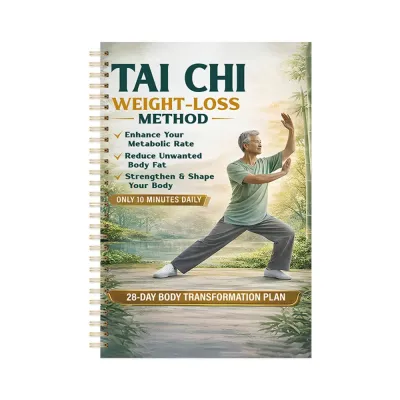
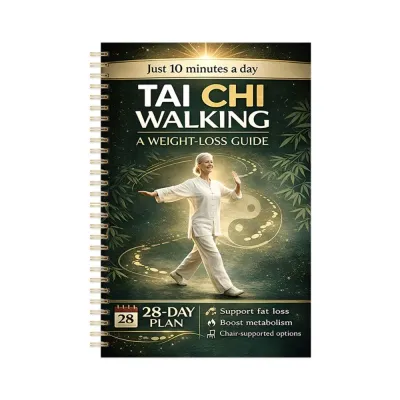
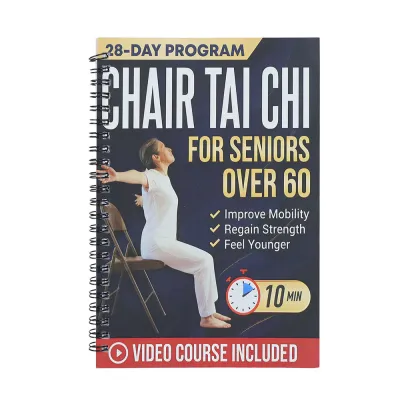
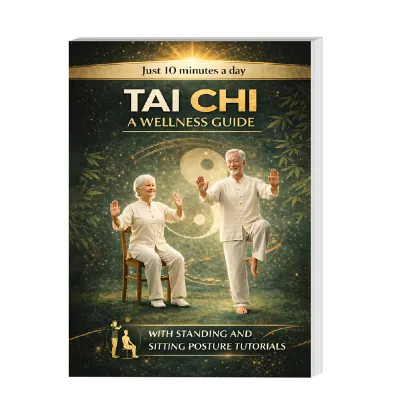
Prices are valid at publication and may change. Please refer to the product page for the latest price.
Finally, take a moment to assess the author’s credentials and teaching style. You do not need to be a martial arts historian, but verifying that the author has documented teaching experience or a recognized lineage in traditional tai chi styles is highly beneficial. Read the book’s introduction and table of contents to gauge the tone of the writing. The instructions should be clear, encouraging, and free of overly dense jargon, making the philosophy and physical mechanics of the art accessible to someone with absolutely no prior experience.
Conditional Guide: Matching Book Types to Your Learning Style
Every individual processes physical movement differently, meaning the right book for one person might not suit another. Selecting the ideal instructional format depends heavily on whether you learn best through dynamic visual flow, meticulous structural analysis, or gentle, health-focused routines.

Books with Digital Video Integration (QR Codes and Links)
If you struggle to understand how one posture flows into the next simply by looking at pictures, a book with digital video integration is an excellent choice. These books feature QR codes or short URLs printed directly on the pages, allowing you to scan them with your smartphone or tablet to watch a live demonstration of the movement you are studying.
Before purchasing a book for its digital features, it is wise to verify that the links are still active and accessible. Check recent reader reviews on online marketplaces to ensure the publisher has not taken the videos down or placed them behind an unexpected, paid subscription wall. Additionally, confirm that the video hosting platform is not region-locked, ensuring you can access the content seamlessly from your home.
When watching the integrated videos, pay attention to the instructor’s camera angles and teaching style. The most helpful videos show the movements from multiple angles—such as the front, side, and back—so you can see exactly where the hands and feet are positioned. Look for instructors who use “mirroring,” where they move their left side when you need to move your right, making it much easier to follow along in real time.
Consider your practice environment and device compatibility as well. If you plan to practice in a cozy living room or take your book to a local community park, you will need a stable mobile data connection or a book that offers downloadable video files. Ensure the video player works smoothly on your preferred device so you do not have to interrupt your flow to troubleshoot technical issues.
Books with Detailed Illustrations and Posture Breakdowns
For readers who prefer to study the precise mechanics of a posture at their own pace, books with high-quality illustrations and detailed posture breakdowns are invaluable. These books allow you to analyze static alignment, weight distribution, and muscle engagement without the pressure of keeping up with a moving video.
Look for books that utilize clear visual aids, such as 3D anatomical overlays, high-resolution multi-angle photographs, or clean line drawings. The best guides show the exact placement of the feet from an overhead perspective, helping you understand how to transition your weight smoothly. These detailed graphics make it much easier to visualize the subtle internal adjustments required for proper form.
Directional indicators are another crucial element of a well-designed print guide. Arrow overlays showing the path of a hand sweep, dotted lines indicating foot movement, and clear markers showing where your center of gravity should rest help eliminate guesswork. Books that include “common mistake” illustrations alongside the correct postures are particularly helpful for self-correction.
Do not overlook the physical design of the book itself. A standard paperback that constantly flips shut while you are trying to hold a stance can be highly frustrating. Look for spiral-bound editions, lay-flat bindings, or sturdy hardcovers that can easily stay open on a table, music stand, or floor, allowing you to practice completely hands-free.
Books Focused on Simplified Forms for Health and Mobility
If your primary goal is stress relief, balance improvement, or gentle rehabilitation rather than martial arts training, look for books that focus on simplified, health-oriented forms. Traditional tai chi routines can be incredibly long and complex, whereas simplified forms are designed to be accessible and easy to memorize.
Search for books that teach shortened sequences, such as the popular 8-form or 24-form. These simplified routines require very little physical space, making them perfect for practicing in smaller modern apartments or HDB flats. They allow you to experience the full physical and mental benefits of tai chi without requiring a massive time commitment or a large practice area.
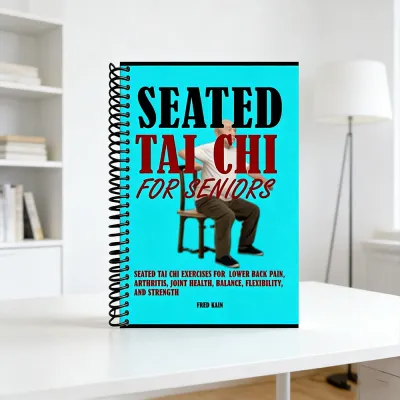
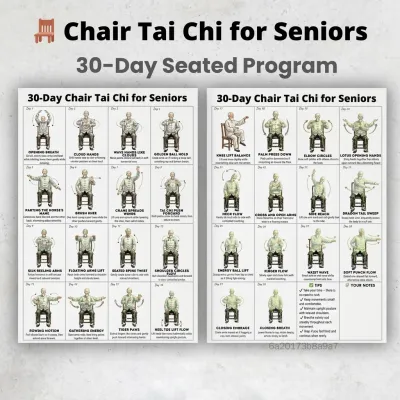
Accessibility is key when choosing a health-focused guide. Ensure the book you select offers clear modifications for various physical needs, such as seated tai chi variations or instructions on using a sturdy chair for balance support. These modifications make the practice safe and enjoyable for older adults, individuals recovering from injury, or anyone with joint restrictions.
Finally, check that the text emphasizes the internal aspects of the art, such as deep diaphragmatic breathing, mental relaxation, and mindfulness. The focus should be on cultivating a calm mind and a relaxed body rather than mastering complex combat applications or executing deep, physically demanding stances that might strain your joints.
Pre-Purchase Checks: Editions, Formats, and Compatibility
Before spending S$20 to S$40 on a new tai chi book, performing a few quick pre-purchase checks can save you from frustration and ensure you receive a high-quality learning tool. Start by verifying the publication date and the specific edition of the book. Newer editions often feature updated photography, cleaner graphic layouts, and more reliable digital video links, ensuring a much smoother learning experience.
Carefully weigh the pros and cons of physical books versus e-books for your practice. While e-books are highly portable and allow you to zoom in on small diagrams, they can be difficult to position at eye level while you are standing and moving. A physical book, especially one with a lay-flat binding, is generally much easier to reference during active practice. If you do choose a digital format, make sure you have a suitable stand or tablet holder to keep the screen visible from a distance.
If the book you are considering is a translation of a classic text, pay close attention to the translation quality and terminology. Look for books where the translator has clearly explained traditional Chinese concepts—such as qi (energy), dantian (energy center), or kua (the groin/hip joint)—rather than leaving them untranslated or using confusing, inconsistent terms. A well-translated book will maintain consistent terminology throughout, preventing confusion as you build your vocabulary and understanding of the art.
Frequently Asked Questions (FAQ)
Can I learn tai chi effectively just from a book without a teacher?
Books are excellent tools for memorizing the sequence of movements, understanding the underlying philosophy, and reviewing specific postures at your own pace. However, they cannot provide real-time biofeedback. Without a teacher or a mirror, it is easy to develop bad habits, such as collapsing your knees inward or tensing your shoulders, which can lead to joint strain over time. To progress safely, use your book as a valuable supplement to in-person classes, virtual coaching sessions, or occasional community workshops where an instructor can physically correct your alignment.
Which tai chi style is best for a complete beginner to start with?
The Yang style is widely considered the most accessible and popular style for complete beginners. It is characterized by slow, gentle, even-tempo movements and relatively upright stances, making it gentle on the joints and easy to follow. In contrast, styles like Chen tai chi involve explosive bursts of power, lower stances, and complex spiraling movements that require more foundational leg strength and coordination. Before purchasing a book, check which style it teaches to ensure it aligns with your physical capabilities and personal fitness goals.
Community discussion
Share your experience or ask a question. Comments are reviewed before publication.