
In an era dominated by algorithmic advertising, one-click purchases, and frictionless digital payment systems, mastering the art of spending money has become a vital survival skill. Choosing the right non-fiction book on mindful spending is not merely about picking a title from a bestseller list; it requires finding a text that directly addresses your unique psychological relationship with money and your current financial circumstances. The literature surrounding intentional money habits is vast, spanning behavioral economics, tactical budgeting, and minimalist philosophy. To make a truly impactful purchase, you must learn how to evaluate these books systematically, ensuring that the author’s methodology aligns with your personal learning style, financial stage, and long-term lifestyle goals.
Identify Your Financial Stage and Reading Goals
Before you begin browsing online marketplaces or local bookstores, it is essential to diagnose your current financial pain points and define what you hope to achieve. If you find yourself constantly stressed by impulse purchases, emotional spending after a difficult day, or anxiety when opening your monthly credit card statements, your primary challenges are psychological. In this scenario, a book focusing on behavioral finance and the emotional triggers of consumption will be far more beneficial than a dry, math-heavy budgeting guide. Conversely, if your income is stable but you struggle with structural cash flow, lack consistent savings, or are trying to navigate a path out of debt, you require a book that offers highly structured, tactical systems.
Defining your desired outcome is equally critical. Are you looking to dismantle a deep-seated scarcity mindset, establish a foundational household budget, or map out a comprehensive strategy for long-term financial independence? Matching your goal to the book’s core thesis prevents you from wasting time on advice that does not apply to your situation. Furthermore, consider your personal learning style. Some readers absorb concepts best through narrative-driven case studies, memoirs, and philosophical essays that inspire a shift in perspective. Others require highly interactive workbooks featuring diagnostic quizzes, fill-in-the-blank templates, and weekly action steps. Choosing a book structure that clashes with your natural learning habits often leads to an unfinished reading list and stalled progress.
Products mentioned in this guide
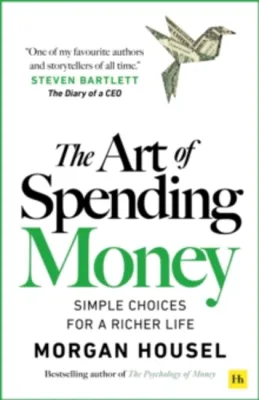
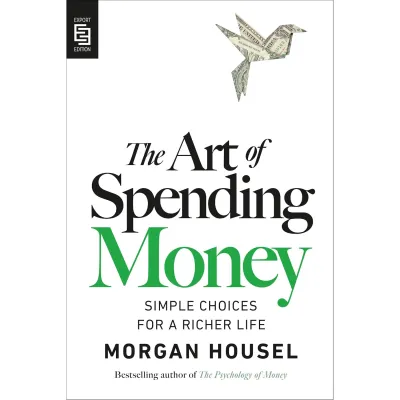
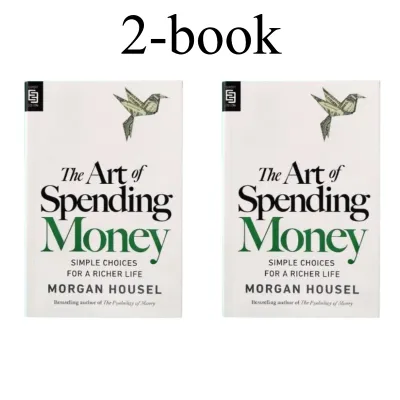
Prices are valid at publication and may change. Please refer to the product page for the latest price.
Core Criteria for Evaluating Mindful Spending Books
To ensure your investment in financial literacy yields practical, real-world results, you must establish an objective framework for evaluating potential books before making a purchase. Start by scrutinizing the author’s credentials. The personal finance space is highly saturated, featuring a wide range of voices from certified financial planners (CFPs) and behavioral psychologists to self-taught personal finance influencers. While an influencer might offer highly relatable, anecdotal advice based on their personal journey, a certified professional or academic researcher brings peer-reviewed behavioral science, rigorous economic data, and structured methodologies to the table.

Next, examine the evidence base of the book. A high-quality text on mindful spending should ground its advice in established psychological and economic principles—such as hedonic adaptation, choice overload, or cognitive biases—rather than relying solely on the author’s subjective experiences. Be cautious of books that present extreme, universal success stories without acknowledging systemic factors or individual limitations. Finally, assess the actionability of the text. The best books on intentional money habits bridge the gap between theory and practice. Look for chapters that offer concrete exercises, downloadable budgeting templates, or step-by-step frameworks for tracking expenses. If a book offers only vague, motivational platitudes without actionable systems, it is unlikely to help you build lasting, mindful habits.
Explore Categories of Intentional Money Habits Literature
Personal finance literature is diverse, but books focusing on the art of spending generally fall into three distinct thematic categories. Understanding these categories allows you to target the exact methodology that fits your current lifestyle and goals.
Behavioral Finance and Spending Psychology
Books in this category explore the emotional, cognitive, and social drivers behind our everyday purchasing decisions. They examine how marketing tactics, social media comparison, and evolutionary psychology influence our urge to spend. By reading these texts, you will learn to identify your personal spending triggers—such as stress, boredom, or the desire for social status—and develop cognitive strategies to pause before making a purchase. The focus here is on rewiring deep-seated money beliefs, overcoming scarcity or abundance complexes, and establishing a healthier psychological relationship with your capital.
Practical Budgeting and Habit Building
If you need structured, logistical systems to manage your cash flow, look toward practical budgeting literature. These books provide concrete frameworks like zero-based budgeting, the envelope system, or automated savings routines. They teach you how to categorize expenses, allocate funds for future goals, and build friction into your spending environment. When evaluating these titles, consider how well their systems integrate with modern digital banking tools, multi-currency accounts, and expense-tracking applications, ensuring the advice remains highly relevant in a cashless society.
Minimalism and Value-Based Spending
This category connects daily financial decisions with personal values, life satisfaction, and long-term fulfillment. Rather than preaching extreme deprivation, these books advocate for conscious consumerism—the practice of ruthlessly cutting expenses on things that do not bring value while spending generously on experiences, health, and high-quality essentials that do. This literature helps you declutter your finances, resist consumer culture, and master the art of spending money in a way that directly supports your personal definition of a meaningful life.
Verify Editions, Formats, and Compatibility Before Purchase
Once you have identified a promising title, pay close attention to the technical details of the publication. First, compare physical books, e-books, and audiobooks based on your daily routine and information retention preferences. Physical copies and e-books are generally superior for highly technical budgeting guides that feature charts, worksheets, and mathematical formulas, as they allow you to easily flip back and forth and take notes. Audiobooks, on the other hand, are excellent for narrative-driven psychology and motivational texts, making them ideal for listening during daily commutes or workouts.
Second, always check for the latest updated editions. Financial landscapes, tax regulations, and digital tools change rapidly; a book published a decade ago may recommend obsolete software or outdated investment strategies. An updated edition ensures the advice aligns with current economic realities. Finally, verify regional availability, language options, and device compatibility. Some digital formats may have regional restrictions or require specific e-reader applications, so confirming these details before checkout prevents technical frustration.
Build and Test Your Personal Reading Shortlist
To minimize the risk of purchasing a book that does not resonate with you, build a structured process for testing your shortlist. Start by utilizing public libraries or digital lending applications to sample the introductory chapters. This allows you to assess the author’s writing style, tone, and complexity before committing financially. Next, seek out independent, verified reviews on dedicated book platforms and forums. Look past the promotional blurbs on the back cover and focus on reader feedback that highlights potential drawbacks, such as overly complex financial jargon, repetitive chapters, or advice that feels impractical for your specific income level.
Finally, establish a realistic reading and self-improvement budget. Allocating a modest, intentional amount—such as S$30 per month—strictly for financial literacy resources ensures you treat these books as a deliberate investment in your personal growth rather than an impulsive purchase.
Frequently Asked Questions (FAQ)
How many books on mindful spending should I read at once?
It is highly recommended to focus on one core financial methodology at a time. Mindful spending is not just about acquiring theoretical knowledge; it requires active habit formation and behavioral adjustments. Reading multiple books simultaneously can lead to information overload and conflicting advice, making it difficult to implement any single system effectively. If you prefer variety, you can pair a highly technical, system-based budgeting book with a lighter, narrative-driven book on spending psychology, allowing you to alternate between practical exercises and conceptual reflection.
Are audiobooks effective for learning complex budgeting methods?
Audiobooks are incredibly powerful for shifting mindsets, understanding behavioral economics, and absorbing motivational concepts. However, they are often less effective for books that rely heavily on complex budgeting systems, mathematical formulas, or visual templates. If you choose an audiobook for a tactical personal finance guide, verify beforehand whether the publisher provides a supplementary PDF download containing the necessary worksheets, charts, and visual aids. This ensures you do not miss out on the practical, hands-on elements of the author’s methodology.
Community discussion
Share your experience or ask a question. Comments are reviewed before publication.