
Selecting your first guitar strap is just as important as choosing your first set of picks or strings. For beginners in Singapore, a reliable strap does more than just hold your instrument; it establishes correct playing posture, prevents accidental drops, and ensures comfort during long practice sessions. Finding the right balance between material, width, and adjustability will make your transition from sitting to standing seamless.
When starting out, you do not need to spend a fortune on premium custom leather. Instead, focus on finding a strap that matches your guitar’s weight, fits your body frame, and remains comfortable in Singapore’s warm, humid climate. By understanding the key features of strap construction, you can make an informed decision that protects your instrument and supports your learning journey.
Essential Features for Comfort and Durability
The physical construction of a guitar strap directly dictates how long you can practice without experiencing shoulder fatigue or neck strain. For beginners, the most critical factor is how the strap distributes the weight of the instrument across your shoulder. A strap that is too narrow or lacks proper structural support will dig into your collarbone, quickly turning an enjoyable practice session into an uncomfortable chore.
Products mentioned in this guide
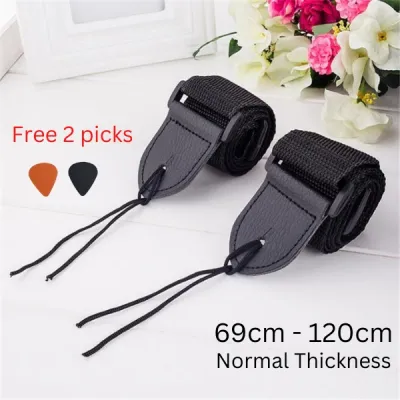
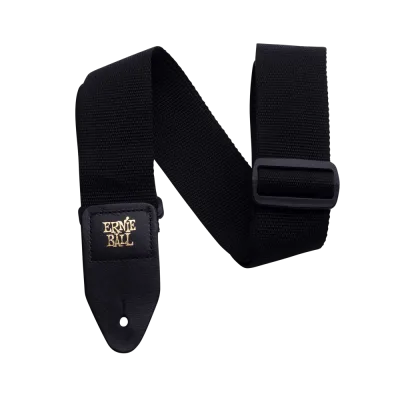
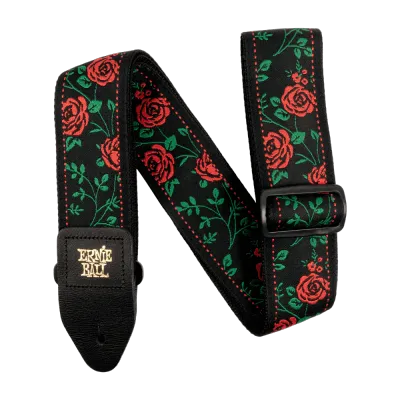
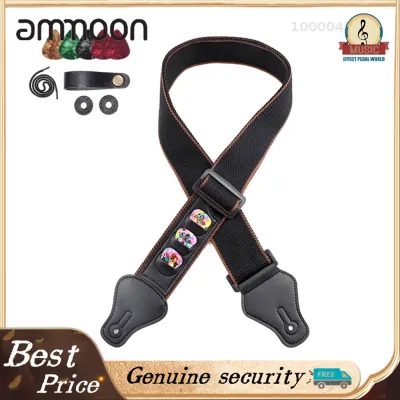
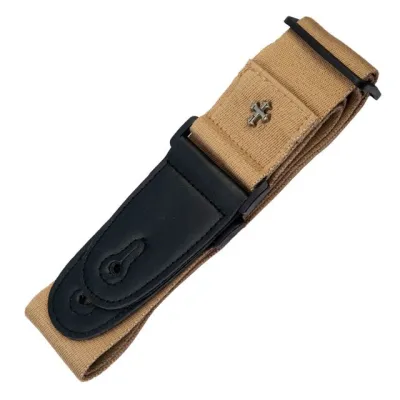


Prices are valid at publication and may change. Please refer to the product page for the latest price.
Width and padding distribution are the primary elements that determine overall comfort. A standard strap width of two inches (approximately five centimeters) is generally sufficient for lightweight acoustic guitars and standard electric guitars. If you are practicing with a heavier instrument, look for straps that incorporate integrated padding, such as high-density foam or neoprene inserts, which help cushion the shoulder and distribute weight more evenly.
Hardware quality is another essential consideration, as the buckles and adjustment sliders are responsible for maintaining your preferred playing height. Plastic hardware is lightweight and less likely to scratch your guitar’s finish if the strap is packed into a gig bag, but it must be made of thick, impact-resistant polymer to prevent cracking. Metal hardware offers superior long-term durability, though you must handle it carefully to avoid dings and scratches on your instrument’s body.
Finally, pay close attention to the edge finishing and seam construction along the sides of the strap. Poorly finished edges, especially on stiff synthetic materials, can rub against your neck and cause painful chafing. Look for straps with rolled edges or soft fabric borders, and inspect the stitching along the seams to ensure there are no loose threads or sharp, melted nylon ends that could irritate your skin.
Choosing the Right Material for Your Climate and Guitar
The material of your guitar strap affects not only its durability and aesthetic appeal but also how it performs under local environmental conditions. Singapore’s high humidity and warm temperatures mean that heat dissipation and moisture management are key factors to keep in mind. Choosing a material that matches both your instrument’s physical characteristics and your personal comfort preferences will ensure a better playing experience.

Nylon and polyester synthetic straps are highly popular among beginners due to their affordability, lightweight nature, and ease of maintenance. These materials are incredibly durable, resistant to moisture, and easy to wipe clean after a sweaty practice session. However, synthetic straps tend to have a smooth, slippery texture, which can cause the strap to slide easily across your shoulder, potentially leading to “neck dive” if your guitar is neck-heavy.
Leather and suede straps are favored for their classic look, exceptional durability, and natural grip. The textured underside of a suede strap helps keep your guitar in a stable playing position without slipping. Keep in mind that new leather straps often require a break-in period to become soft and pliable, and they can trap heat against your body. In a humid climate, leather also requires occasional conditioning and proper ventilation to prevent mold growth.
For players seeking maximum breathability, woven cotton or hemp straps are excellent alternatives. These natural fibers allow air to circulate freely, making them incredibly comfortable to wear during extended sessions in non-air-conditioned rooms. Cotton straps are soft right out of the box, gentle on the neck, and provide a moderate amount of friction to keep the guitar stable, though they may require periodic hand-washing to keep them fresh.
Finding the Correct Length and Adjustability
A guitar strap must allow you to position your instrument at the optimal height for your playing style, whether you prefer to play high up on your chest or lower down near your hips. Correct strap length is vital for maintaining a straight wrist alignment, which helps prevent strain and long-term repetitive strain injuries. Beginners should look for a strap that offers a wide range of adjustment to accommodate different playing postures.
Most standard guitar straps offer an adjustable length range of approximately 35 to 60 inches (90 to 150 centimeters). To find your ideal strap length, sit in a comfortable chair with your guitar in the correct playing position, then use a soft measuring tape to measure the distance from one strap button, around your shoulder, to the other strap button. When you stand up, adjust the strap so the guitar remains at roughly the same height, ensuring your fretting hand does not have to bend excessively at the wrist.
The mechanism used to adjust the strap length should be secure yet easy to operate. Traditional tri-glide sliding buckles allow for micro-adjustments, letting you fine-tune the length to the exact millimeter, though they can be slightly stiff to adjust on thicker materials. Modern ladder-lock systems, which involve weaving the strap through pre-cut slots, are incredibly secure and common on leather straps, but they offer less granular control and take longer to adjust.
If you are playing a heavier instrument, such as a solid-body electric guitar or a bass guitar, proper length adjustment becomes even more critical. A strap adjusted too low can cause the neck of a heavy guitar to tilt downward, forcing your supporting hand to carry the weight of the neck rather than focusing on fretting. Adjusting the strap slightly higher and using a wider, high-friction material will help stabilize the instrument and keep it balanced.
Buying Locally and Verifying Compatibility
While purchasing a guitar strap online offers convenience and a vast selection of designs, visiting a local music store in Singapore provides distinct advantages for beginners. Trying on different straps in person allows you to feel the weight, assess the softness of the materials, and test how the strap sits on your shoulder. Many physical music showrooms in central Singapore allow you to bring your own guitar or use a similar model in-store to test the strap’s compatibility and balance.
A basic, reliable beginner strap in Singapore typically ranges from S$15 to S$40, making it an affordable investment. Before finalizing your purchase, you must verify that the strap’s attachment ends are compatible with your specific guitar. Standard electric guitars and some acoustic guitars feature metal strap buttons on the body, which require a strap with snug, pre-cut keyhole slits. If your acoustic guitar only has a single strap button at the bottom, you will need a strap that includes a headstock tie-lace, or you will need to purchase a dedicated headstock adapter strap that loops under the strings behind the nut.
You should also carefully inspect the critical stress points where the strap connects to the instrument. The end tabs, often called “leather ends,” bear the entire weight of your guitar, so they must be constructed from thick, high-quality leather or reinforced synthetic materials. Check that the stitching around the button holes is dense and secure, as loose or single-stitched seams can stretch out over time, increasing the risk of the strap slipping off the button and dropping your guitar.
If you want extra peace of mind without modifying your instrument, consider simple, budget-friendly accessories like rubber strap blocks. These inexpensive washers slip over your existing strap buttons once the strap is attached, locking it securely in place. They are highly recommended for beginners as a cost-effective way to protect your investment from accidental drops during energetic practice sessions.
Frequently Asked Questions (FAQ)
Do I need strap locks for my acoustic guitar?
While strap locks are highly popular for electric guitars, they are generally not strictly necessary for acoustic guitars, especially for beginners practicing at home. Acoustic guitars are significantly lighter than solid-body electric guitars, putting less mechanical strain on the strap buttons. Additionally, installing mechanical metal strap locks on an acoustic guitar often requires drilling or modifying the instrument, which can risk damaging the wood or interfering with internal pickup systems.
If you want to secure your acoustic guitar strap without making permanent modifications, simple and non-invasive alternatives are highly effective. You can use flexible rubber washers, often sold as strap blocks, which slip over the existing strap buttons on top of the strap ends to prevent them from slipping off. If your acoustic guitar lacks an upper strap button, using a secure, dedicated headstock tie-strap made of braided cord or soft leather is the safest way to attach your strap without altering your instrument.
How wide should a guitar strap be for a heavy instrument?
For heavier instruments, such as solid-body electric guitars, bass guitars, or large acoustic dreadnoughts, a wider strap is essential to prevent shoulder fatigue and localized pain. The wider the strap, the greater the surface area over which the weight of the instrument is distributed across your shoulder. A narrow strap concentrates all the weight onto a single narrow strip of muscle, which can quickly lead to soreness and restricted blood flow during extended playing sessions.
As a general guideline, a standard two-inch (five-centimeter) strap is perfectly suitable for lightweight acoustic guitars and lightweight electrics. However, for instruments weighing more than four kilograms, such as traditional bass guitars or heavy solid-body electrics, you should look for a strap that is at least 2.5 to 3 inches (6.3 to 7.6 centimeters) wide. Choosing a wider strap with integrated neoprene or memory foam padding will provide the necessary support to keep your shoulder comfortable and your posture aligned.
Community discussion
Share your experience or ask a question. Comments are reviewed before publication.