
Selecting the right guitar strings for a new instrument is one of the most impactful decisions a beginner can make. When you purchase a starter guitar from popular brands like Yamaha, Fender, Epiphone, or Ibanez, the instrument arrives with factory-installed strings designed to match its structural specifications. Over time, these strings wear out, lose their tone, and become difficult to play, requiring a replacement set that preserves the guitar’s playability and structural integrity.
To find the best match, you must align the replacement strings with your specific guitar type, choose a comfortable thickness or gauge, and select materials suited to your playing environment. Making an incorrect choice can lead to poor sound quality, physical discomfort, or even permanent structural damage to your instrument. By understanding the physical requirements of your guitar, you can confidently navigate the purchasing process and keep your instrument sounding its best.
Identify Your Beginner Guitar Type
Before purchasing any replacement strings, you must identify the exact category of your beginner guitar. Guitars are generally divided into three primary categories: classical guitars, steel-string acoustic guitars, and electric guitars. Each type relies on a completely different physical construction, neck design, and bridge system, meaning they require entirely different types of strings to function safely and correctly.
Products mentioned in this guide



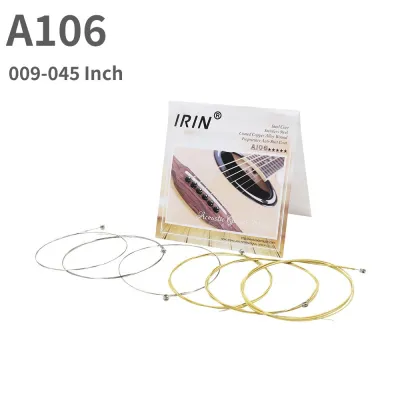



Prices are valid at publication and may change. Please refer to the product page for the latest price.
Classical guitars are designed exclusively for nylon strings. These instruments feature a lightweight construction, often with a wider fretboard and a bridge that requires the strings to be tied directly to the block. Nylon strings exert relatively low tension on the guitar’s neck and top board. Under no circumstances should you install steel strings on a classical guitar. The immense tension of steel strings can easily warp the neck, lift the bridge off the body, or crack the soundboard, causing irreparable structural damage. You can easily identify a classical guitar by its slotted headstock, where the tuning pegs point backward and the strings wind around thick plastic rollers.
Acoustic guitars, often referred to as steel-string acoustics, are built to withstand much higher tension. These instruments feature internal bracing and a metal truss rod running through the neck to counteract the pull of steel strings. They typically use a bridge pin system, where the ball-end of each steel string is inserted into a hole in the bridge and secured with a plastic or wooden pin. Installing nylon strings on a steel-string acoustic will not damage the instrument, but it will result in an extremely quiet, muddy, and virtually unplayable sound because the guitar’s heavy top board requires the high tension of steel to vibrate properly. These guitars feature a solid headstock with metal tuning posts pointing upward or outward.
Electric guitars also use steel or nickel-plated steel strings, but they rely on magnetic pickups to transfer sound to an amplifier. The strings must contain magnetic materials, such as steel, nickel, or cobalt, to interact with the pickups. Electric guitars generally have thinner necks, lower action, and different bridge configurations than acoustic guitars, requiring strings designed specifically for magnetic signal transmission.
To verify the exact string type your instrument requires, locate the model name of your guitar. This information is typically printed on the headstock or on a paper label visible inside the soundhole of an acoustic or classical guitar. For example, a Yamaha C40 is a classical guitar requiring nylon strings, while a Yamaha F310 or Fender CD-60 is a steel-string acoustic. A Squier Affinity Stratocaster or Epiphone Les Paul Special is an electric guitar requiring magnetic steel strings. Checking the manufacturer’s official specifications online using this model number will confirm the intended string type.
Choose the Right String Gauge for Beginner Comfort
String gauge refers to the physical thickness of the strings, measured in thousandths of an inch. For beginners, selecting the correct gauge is crucial for developing finger strength without experiencing excessive pain or discouragement. Lighter string gauges require less pressure to press down against the frets, making them highly recommended for players who are still building calluses on their fingertips.

For acoustic steel-string guitars, standard gauges are generally categorized as extra light (typically starting at .010 inches for the high E string), custom light (.011), light (.012), and medium (.013). Most popular beginner acoustic guitars, such as the Yamaha FG or Fender CD series, ship from the factory with light (.012) strings. While light strings offer a balanced tone, absolute beginners struggling with finger soreness may benefit from temporarily stepping down to extra light (.010) strings to make practicing more comfortable and less physically demanding.
Electric guitar strings are naturally thinner and under less tension than acoustic strings. Standard electric gauges include super light (.008), extra light (.009), light (.010), and medium (.011). Most entry-level electric guitars, such as an Epiphone Les Paul or a Squier Stratocaster, come equipped with .009 or .010 gauge strings. Beginners will find .009 gauge strings highly playable, as they allow for easier string bending and require minimal fretting effort. If your electric guitar has a shorter scale length, such as an Epiphone Power Player, a .010 gauge might feel just as comfortable due to the naturally lower tension of a shorter neck.
Classical guitar strings are categorized by tension rather than precise decimal gauges. The most common options are low tension, normal or medium tension, and high tension. For beginners, normal tension nylon strings are the ideal starting point. They provide a comfortable balance of physical playability and tuning stability without putting unnecessary strain on the fingers or the instrument’s bridge. High-tension strings require more finger pressure and are generally preferred by advanced players seeking maximum volume and projection.
While lighter strings are easier on beginner fingers, they do come with trade-offs. Lighter strings produce less volume, slightly less sustain, and can sometimes buzz against the frets if the guitar’s setup is not adjusted for the lower tension. Conversely, heavier strings offer a fuller, louder tone and better tuning stability, but they require significantly more finger strength to play. When changing string gauges, always check the manufacturer’s recommended specifications. Moving to a significantly heavier gauge can cause the neck to bow upward, requiring a truss rod adjustment to maintain proper intonation and action.
Match String Materials to Your Sound and Environment
The materials used to construct guitar strings directly influence their tone, feel, and durability. For acoustic guitars, the two most common steel-string alloys are 80/20 bronze and phosphor bronze. 80/20 bronze strings, made of 80 percent copper and 20 percent zinc, deliver a bright, crisp, and metallic sound when new, though they tend to oxidize and lose their brightness relatively quickly. Phosphor bronze strings contain a small amount of phosphorus, which gives them a warmer, darker tone and helps resist corrosion, allowing them to retain their fresh sound for a longer period.
In humid climates, such as Singapore’s tropical environment, moisture and sweat can accelerate the oxidation of steel strings, leading to rust, a dull tone, and a rough texture that is uncomfortable to play. To combat this, many manufacturers offer coated or treated strings. These strings feature an ultra-thin polymer coating that shields the metal from moisture, sweat, and skin oils. While coated strings generally carry a higher price tag, often costing around S$20 to S$30 per set, they can last several times longer than uncoated strings, making them a highly practical and cost-effective choice for players living in high-humidity regions.
Electric guitar strings are primarily made of nickel-plated steel, pure nickel, or stainless steel. Nickel-plated steel is the industry standard, offering a balanced combination of bright high frequencies, warm mid-range tones, and strong magnetic output for pickups. Pure nickel strings provide a warmer, vintage-style tone preferred by some blues and jazz players, while stainless steel strings are highly bright and resistant to corrosion but can feel slightly stiffer to the touch. For most beginners, nickel-plated steel strings offer the most versatile performance across various musical genres.
Classical guitar strings feature treble strings made of clear or black nylon, which produce a warm, mellow sound. The bass strings consist of a multifilament nylon core wound with silver-plated copper or bronze wire. Because nylon does not rust, classical strings are highly durable in humid environments, though the metal-wound bass strings will eventually tarnish and lose their resonance over time. When choosing your first replacement set, prioritize materials that match your local climate and preferred musical style rather than relying on aggressive marketing claims of superior performance.
Purchasing and Replacing Your First Set of Strings
When you are ready to purchase your first replacement set, double-check the product packaging or online listing to ensure the type, gauge, and material match your guitar’s requirements. It is easy to accidentally purchase acoustic strings for an electric guitar or vice versa, so careful verification before checkout is essential. If you are shopping on an online marketplace, read the product specifications carefully to confirm you are buying from an authorized retailer to avoid counterfeit products.
To perform a safe and successful string change, gather a few basic tools before you begin. A dedicated string winder is highly recommended; this inexpensive tool fits over the tuning pegs and allows you to wind and unwind the strings quickly. You will also need a reliable pair of wire cutters to snip the excess string length after installation. Some string winders come with built-in cutters and bridge pin pullers, which are incredibly convenient for acoustic guitar players.
When replacing your strings, safety should be your top priority. Always detune the old strings to release the tension completely before cutting or removing them. Cutting a fully tensioned string can cause it to snap violently, potentially scratching the guitar’s finish or causing injury to your eyes and fingers. Work on one string at a time, or remove all strings at once if you wish to clean and condition the fretboard. When installing the new strings, wind them neatly around the tuning posts without overlapping them excessively, as neat winding ensures stable tuning.
Once the new strings are installed, they will naturally stretch and slip out of tune during the first few hours of play. You can gently stretch each string along its length and retune it several times to speed up this settling process. If you encounter any difficulties during the restringing process, or if your guitar’s action and intonation seem off after changing gauges, do not attempt to force adjustments on the truss rod or bridge. Instead, consult your guitar’s user manual or take the instrument to a professional technician at a local music store to ensure a safe and proper setup.
Frequently Asked Questions (FAQ)
How often should a beginner change their guitar strings?
A beginner should generally change their guitar strings every three to four months, though this timeline depends heavily on playing frequency, sweat acidity, and environmental humidity. Rather than following a strict calendar schedule, look for physical and visual signs of wear. Worn-out strings often show dark discoloration, rust spots, or a rough, grimy texture under your fingers.
You may also notice that the guitar struggles to stay in tune, or that the overall sound has become dull, muddy, and lacking in sustain. To maximize the lifespan of your strings, always wipe them down with a clean, dry microfiber cloth after every practice session to remove sweat and skin oils.
Can I use acoustic strings on an electric guitar?
You should not use standard acoustic strings on an electric guitar. Acoustic strings are typically made of bronze alloys, which are non-magnetic and cannot interact effectively with the magnetic pickups of an electric guitar. If you install bronze strings on an electric instrument, the output through your amplifier will be extremely quiet, uneven, and lacking in clarity.
Additionally, acoustic strings are under much higher tension than electric strings of the same gauge. Installing them on an electric guitar can cause excessive neck relief, high action, and intonation problems, and the thicker strings may not fit properly into the slots of the guitar’s nut. Always use strings specifically designed for electric guitars to ensure proper magnetic performance and playability.
Community discussion
Share your experience or ask a question. Comments are reviewed before publication.