
Selecting the ideal music score book is a foundational step in any musician’s journey, directly influencing how quickly you develop technique and how deeply you understand your repertoire. The right book does more than print notes on a page; it aligns with your instrument’s unique notation, matches your current technical proficiency, and supports your specific learning objectives. Whether you are a self-taught enthusiast or preparing for formal examinations, navigating the vast world of sheet music requires a clear understanding of what makes a score accurate, usable, and physically durable.
To make an informed choice, you must evaluate several key factors, including the editorial standards of the publisher, the physical layout of the pages, and the specific pedagogical approach of the book. Balancing these elements ensures that your practice sessions remain productive and free from the frustration of poorly arranged or physically awkward scores. By focusing on quality editions and structured learning paths, you can find a music score book that serves as a reliable companion on your music stand for years to come.
Identifying Your Instrument and Proficiency Needs
Before browsing the shelves of a local music archive or scrolling through online catalogs, you must clearly define your current playing level and immediate musical goals. Musicians generally fall into beginner, intermediate, or advanced categories, each requiring a distinct type of score layout and content density. Beginners need clear, uncluttered pages with larger notation, while intermediate players benefit from pieces that introduce specific technical challenges. Advanced musicians require complete, unedited scores that allow for personal interpretation and stylistic exploration.
Products mentioned in this guide
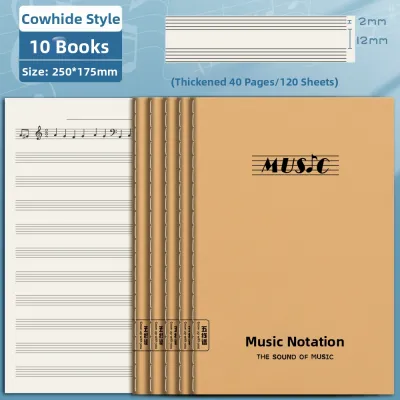
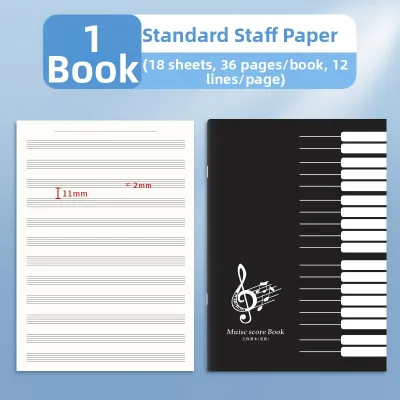
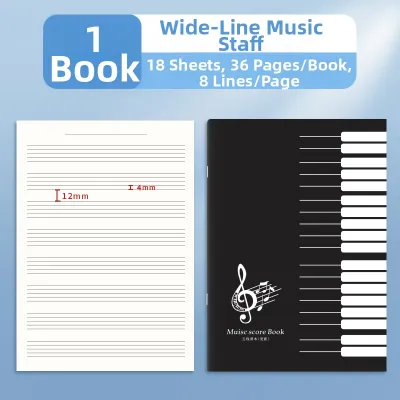
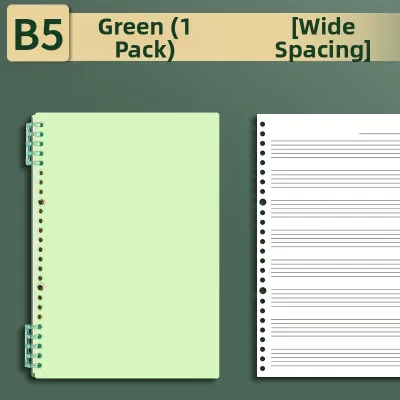
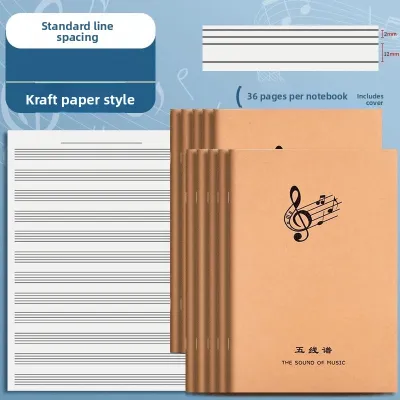
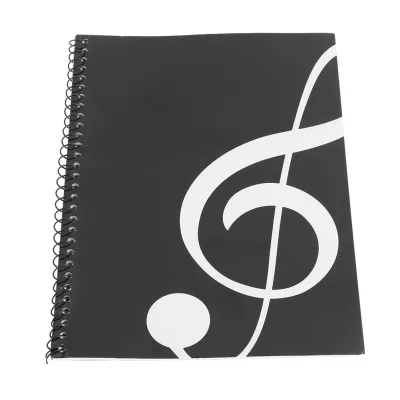
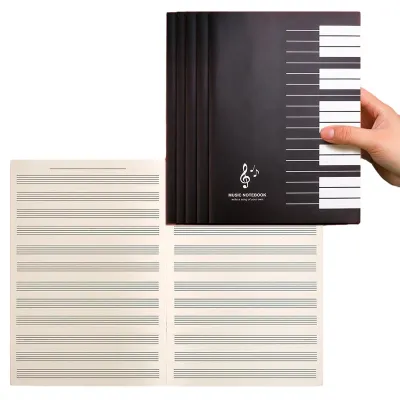
Prices are valid at publication and may change. Please refer to the product page for the latest price.
Your specific practice goals will dictate whether you should look for a structured method book, a targeted etude collection, or a comprehensive repertoire anthology. Method books are designed to introduce concepts sequentially, making them ideal for systematic daily learning. Etude collections focus heavily on isolating and mastering specific technical hurdles, such as finger independence, scales, or complex bowing patterns. Anthologies, on the other hand, compile diverse pieces from various composers or eras, offering a broad selection of performance-ready music.
Instrument-specific notation requirements also play a critical role in your selection process. For instance, keyboard players must look for grand staff layouts that clearly separate left-hand and right-hand parts, while string and wind players need single-line parts that are easy to read at a distance. If you play a transposing instrument, such as a B-flat clarinet or an E-flat alto saxophone, you must ensure the score is transposed correctly for your instrument rather than written in concert pitch. Guitarists and lutists must decide between standard musical notation, tablature, or hybrid editions that feature both formats side-by-side.
Understanding these notation nuances prevents the common mistake of purchasing a book that is unreadable or impractical for your instrument. Vocalists, for example, require scores that include clear lyric alignments and piano accompaniments, which differ significantly from solo vocal lines. Taking the time to analyze how notation is presented ensures that your sheet music matches your physical instrument and your cognitive reading capacity.
Core Criteria for Evaluating Sheet Music Quality
The quality of a music score book is heavily determined by the editorial standards of its publisher. Historically informed editions, often prepared by musicologists who study original manuscripts, aim to present the music exactly as the composer intended. In contrast, heavily edited standard editions may include modern fingerings, dynamics, and phrasing marks added by a later editor. While these editorial additions can be helpful for students, they can sometimes obscure the original stylistic context of the piece.

Physical production quality is another essential consideration that directly impacts your daily practice experience. A book that refuses to stay open on a music stand can cause immense frustration during a performance or practice session. Look for books with lay-flat bindings, such as coil binding, comb binding, or high-quality stitched spine designs. In humid climates, cheap glued bindings tend to dry out, crack, and lose pages quickly, making durable stitching or spiral options a much wiser long-term investment.
Paper quality and page layout also affect readability under different lighting conditions. High-glare, bright white paper can cause eye strain under bright overhead practice lights, whereas off-white or cream-colored paper is much easier on the eyes. Additionally, pay close attention to how page turns are planned within the score. Well-designed books place page turns during natural pauses in the music, such as rests or slow passages, preventing you from having to stop mid-phrase to flip the page.
Finally, look for books that offer valuable supplementary materials to enrich your learning experience. Many modern publications include historical background, performance notes from renowned instructors, and analytical guides. Some editions also provide access to online audio accompaniments or backing tracks, transforming a simple collection of notes into a comprehensive learning tool.
Finding the Right Method Books for Beginners
For those starting their musical journey, the structure of a method book is vital to maintaining motivation and preventing early physical strain. A high-quality beginner book should feature a logical, step-by-step progression that introduces one new concept at a time, such as a single note, a basic rhythm, or a fundamental hand position. Visual illustrations showing correct posture, hand placement, and instrument care are incredibly helpful for visual learners and young students.
When selecting beginner materials, recognized educational series and standard examination board syllabi serve as excellent quality benchmarks. Syllabi from established institutions, such as the Associated Board of the Royal Schools of Music (ABRSM) or Trinity College London, offer carefully graded books that align with international standards. These books ensure that the technical demands of each piece are perfectly matched to the student’s developmental stage, preventing the frustration of attempting pieces that are too difficult.
It is generally wise to avoid poorly arranged, unauthorized pop-culture songbooks that promise instant mastery of famous tunes. While playing familiar melodies is highly motivating, these simplified arrangements often sacrifice proper technique, fingerings, and rhythmic accuracy to make the piece immediately playable. This can lead to the development of bad habits that are difficult to correct later. Instead, look for beginner books that blend classical pedagogy with high-quality, simplified arrangements of diverse musical genres.
For young children, books with colorful illustrations, large note heads, and engaging theory games keep students focused. Adult beginners should look for method books specifically tailored to mature learners, which feature more sophisticated repertoire choices and faster-paced theoretical explanations while maintaining a gentle technical progression.
Choosing Advanced Repertoire and Authentic Editions
As musicians transition into advanced repertoire, the accuracy of the musical text becomes paramount. Advanced players should prioritize urtext editions, which are scholarly publications based on a meticulous comparison of all surviving historical sources, including the composer’s original handwritten manuscripts, first editions, and early proofs. Using an urtext edition ensures that you are studying the composer’s authentic notes, dynamics, and articulations, free from the subjective interpretations of later editors.
For genres outside of classical music, such as jazz, blues, or contemporary pop, advanced players should seek out specialized transcription books. These books feature note-for-note transcriptions of legendary performances, capturing the exact improvisations, chord voicings, and rhythmic nuances of the original recordings. Look for publications that include detailed performance notes explaining the specific articulation markings, swing feels, and improvisational frameworks used by the artists.
Advanced editions should also provide deep interpretive context to assist in your artistic development. Look for books that include historical essays, manuscript comparisons, and alternative cadenzas. Some scholarly editions even include detailed commentary explaining why certain editorial decisions were made when historical sources conflicted, allowing you to make informed, stylistic choices.
When purchasing advanced chamber music or orchestral scores, verify whether the book is a full conductor’s score or a set of individual instrumental parts. A full score is excellent for study and analysis, as it shows all instruments simultaneously, but it is impractical to perform from as an individual player. Ensure you are purchasing the specific instrumental part book or a comprehensive edition that includes both the piano reduction and the solo instrumental insert.
Physical Books vs. Digital Sheet Music Formats
The debate between physical sheet music books and digital formats is a central consideration for modern musicians. Physical books offer a tactile experience that many players find irreplaceable, allowing for quick, intuitive page flipping and effortless pencil annotations during rehearsals. They do not require battery power, are highly stable on any music stand, and are immune to software glitches or screen glare issues under direct sunlight.
Digital sheet music, typically viewed on large tablets, offers unparalleled portability and convenience. A single tablet can store thousands of scores, eliminating the need to carry heavy bags of books to rehearsals, lessons, or performances. Digital formats also allow for instant searching, easy zooming for visually impaired players, and seamless integration with hands-free Bluetooth page-turning pedals. Many digital sheet music applications also support advanced annotation tools that can be easily edited, color-coded, or shared with colleagues.
If you choose the digital route, you must ensure your device meets the necessary technical requirements for comfortable reading. A screen size of at least 12.9 inches is generally recommended to display a full page of music at a readable scale without constant zooming. You must also verify that your digital purchases are in standard, high-resolution formats like PDF or MusicXML, which are compatible with popular sheet music reader applications.
Regardless of your preference, purchase digital sheet music only from authorized distributors and legitimate online marketplaces. Downloading pirated, poorly scanned PDFs often results in missing pages, blurry notation, and incorrect formatting. Buying authorized digital copies ensures that composers, arrangers, and publishers are fairly compensated, supporting the ongoing creation of high-quality musical works.
Final Pre-Purchase Verification Checklist
Before finalizing your purchase of a music score book, taking a few moments to verify the product details can save you significant time and expense. Always confirm the exact edition, publisher name, and International Standard Book Number (ISBN). Many classical pieces share identical titles but feature vastly different arrangements, simplified versions, or editorial styles, so matching the ISBN ensures you receive the precise version required by your teacher or syllabus.
If you are ordering physical books from international retailers, pay close attention to potential shipping restrictions and delivery times. Importing specialized music books can sometimes take several weeks, which may delay your preparation for upcoming exams or performances. For digital downloads, read the terms of service carefully to check for any device limits, printing restrictions, or expiration dates on your access link.
Finaly, review the retailer’s return and exchange policies, particularly regarding physical defects. Sheet music books can occasionally suffer from printing errors, such as missing pages, upside-down binding, or ink smudges that render the notation unreadable. Ensure the seller offers a straightforward return process for defective items so you can quickly secure a replacement copy and keep your practice schedule on track.
Frequently Asked Questions (FAQ)
What is the difference between an urtext edition and a standard edition?
An urtext edition is a scholarly publication designed to represent the composer’s original intent as closely as possible. The editors of an urtext score meticulously study original manuscripts, historical first editions, and composer correspondence to remove any unauthorized changes made by later publishers. This results in a clean, authentic musical text that serves as a blank canvas for your own artistic interpretation.
In contrast, a standard or edited edition includes interpretive markings added by a professional editor, performer, or educator. These additions often include specific fingerings, bowing indications, breath marks, dynamics, and tempo suggestions. While these edited versions are highly beneficial for students who need guidance on technique and style, advanced players often prefer urtext editions to avoid being influenced by another musician’s interpretive choices.
Can I use a piano score for other keyboard instruments?
While you can technically play a standard piano score on other keyboard instruments like the organ, harpsichord, or digital keyboard, you will encounter several physical and stylistic limitations. Piano music is written specifically to take advantage of the instrument’s wide dynamic range, sustain pedal, and weighted key action. When played on a harpsichord, which cannot vary its volume through key pressure, or an organ, which relies on physical stops and pedalboards, the music may sound sparse or lose its intended character.
Furthermore, organ music requires a specialized three-staff layout that includes a dedicated line for the foot pedals, which is completely absent from standard two-staff piano scores. If you are playing a digital keyboard or synthesizer, you may need to adjust your touch and articulation, as non-weighted keys do not respond to the subtle finger weight variations required by classical piano repertoire. For the best musical results, always seek out scores specifically arranged and registered for your particular keyboard instrument.
Community discussion
Share your experience or ask a question. Comments are reviewed before publication.