
A reliable ukulele case bag is the single most important accessory you can buy to protect your instrument. For beginners in Singapore, finding the right balance between protection, portability, and price can feel overwhelming. The ideal choice depends on your daily routine, how you travel, and the specific type of wood your ukulele is made of.
By understanding the core features that shield your instrument from physical damage and the local climate, you can make an informed decision that keeps your ukulele in perfect playing condition. This guide breaks down everything you need to know to select the perfect protective companion for your instrument.
Hard Cases vs. Gig Bags: Finding the Right Ukulele Case Bag for Your Needs
Choosing the right level of protection starts with understanding how you plan to use and transport your instrument. Ukulele cases generally fall into three categories: hard cases, padded gig bags, and hybrid cases. Each offers distinct advantages and trade-offs in terms of weight, durability, and impact resistance.
Products mentioned in this guide

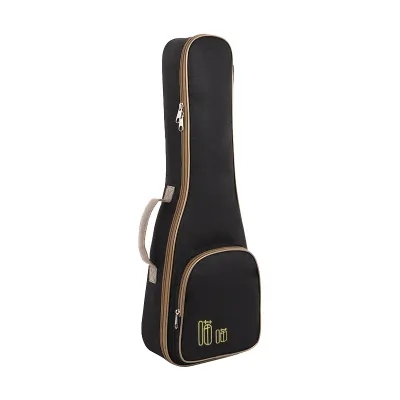
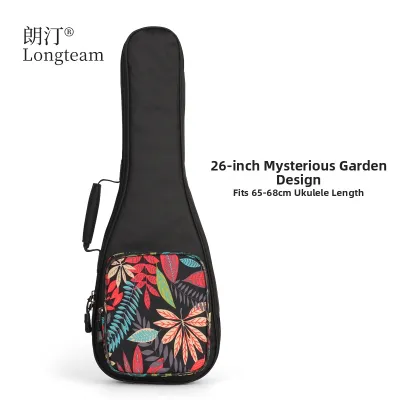
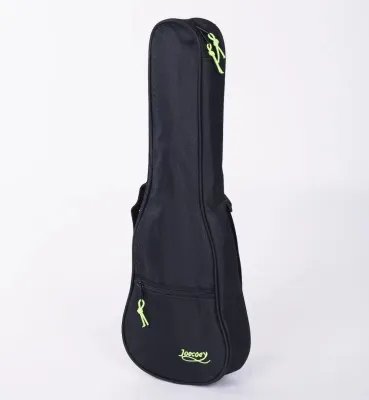
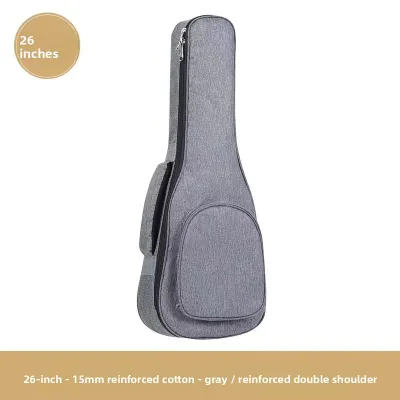
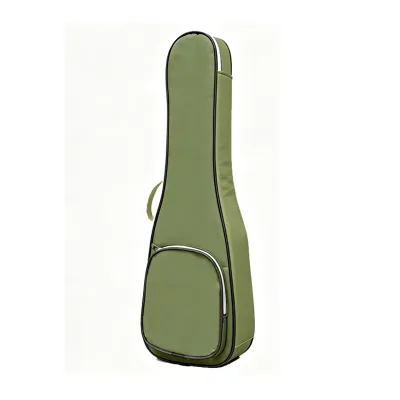
Prices are valid at publication and may change. Please refer to the product page for the latest price.
Hard cases provide the maximum level of crush protection. Typically constructed from wood wrapped in vinyl, heavy-duty ABS plastic, or fiberglass, these cases feature a rigid exterior shell and a custom-fit, plush-lined interior. They are designed to withstand heavy impacts, making them the ideal choice if you plan to travel by air, pack your instrument into a car boot filled with other gear, or store it in a closet under heavy items. The primary trade-off is weight and bulk; hard cases are significantly heavier than gig bags and usually lack comfortable backpack straps, making them awkward to carry over long distances.
Padded gig bags are lightweight, flexible, and highly portable, making them the most popular choice for daily use. Constructed from woven synthetic fabrics like polyester or nylon, they feature internal foam padding that absorbs minor bumps and drops. A good gig bag allows you to carry your ukulele hands-free via backpack straps, which is incredibly convenient when commuting. However, they offer minimal crush resistance; if someone accidentally sits on a gig bag or if it is squeezed in a crowded space, the instrument inside can still suffer structural damage.
Hybrid cases, also known as semi-rigid cases, offer an excellent middle ground. These cases utilize a dense, lightweight expanded polystyrene (EPS) foam core covered with a durable nylon fabric exterior. They provide the structural rigidity and drop protection of a hard case while remaining almost as lightweight as a standard gig bag. Most hybrid cases also feature comfortable backpack straps, making them an exceptional option for students and active musicians who need robust protection without the heavy weight.
To help you decide which option fits your lifestyle, consider this decision matrix matching case types to common transport modes and storage environments:
| Transport Mode | Storage Environment | Recommended Case Type | Key Benefit |
|---|---|---|---|
| Walking & Public Transit | Active home storage, hanging on wall | Padded Gig Bag (10mm+ padding) | Lightweight, hands-free carrying, scratch protection |
| School Bus & Crowded MRT | Shared closets, high-traffic rooms | Hybrid / Semi-Rigid Case | Crush resistance with backpack straps |
| Personal Car or Taxi | Dedicated music room, shelf storage | Hard Case or Hybrid Case | Excellent impact protection, stable climate seal |
| Air Travel / Touring | Under-bed storage, stacked under gear | Heavy-Duty Hard Case | Maximum crush protection against heavy luggage |
Sizing Your Ukulele: Soprano, Concert, Tenor, and Baritone
One of the most common mistakes beginners make is purchasing a case without verifying the exact dimensions of their instrument. Ukuleles are not standard in size; they are built in four primary scale lengths, and a “one-size-fits-all” approach does not exist. Placing a small ukulele in a case that is too large allows the instrument to shift violently during transit, which can easily lead to bent tuning pegs, a cracked bridge, or a snapped neck.

To ensure a perfect fit, you must identify your ukulele’s size category:
- Soprano: The smallest standard size, typically measuring around 21 inches (53 cm) in total length. It requires a compact, narrow case.
- Concert: A slightly larger body and longer neck, averaging 23 inches (58 cm) in length. This is a highly popular beginner size.
- Tenor: Measuring approximately 26 inches (66 cm) in length, tenor ukuleles have a deeper body and wider fretboard.
- Baritone: The largest standard size at around 30 inches (76 cm) in length, requiring a specialized, much larger case.
Before purchasing any ukulele case bag, take a physical measurement of your instrument using a soft measuring tape or a standard ruler. Measure the overall length from the very top of the headstock to the bottom edge of the body. Next, measure the lower bout width, which is the widest part of the lower half of the ukulele body. Finally, measure the depth of the body from the backboard to the top of the bridge.
Always compare these physical measurements against the internal dimensions listed by the case manufacturer, rather than relying solely on the external size label. Some ukulele brands design instruments with non-standard body shapes, such as pineapple-shaped bodies, cutaways, or oversized slotted headstocks. These variations can make an instrument wider or longer than a standard model of the same scale length, requiring you to size up or seek a specialized case.
A properly fitting case should offer a snug fit where the body of the ukulele does not slide side-to-side or up-and-down. Look for cases that feature an internal neck support block. This is a padded groove, often equipped with a hook-and-loop strap, that cradles the neck of the ukulele. By securing the neck, the block prevents the headstock from bearing the brunt of the force if the case is dropped vertically, drastically reducing the risk of a broken neck joint.
Key Features for Singapore's Climate and Daily Commute
Singapore’s unique tropical climate and urban commuting patterns require specific features in a ukulele case. High humidity, sudden heavy downpours, and crowded public transport systems present distinct hazards to wooden musical instruments. Selecting a case designed to handle these environmental factors will extend the lifespan of your ukulele.
Sudden tropical downpours are a regular occurrence in Singapore. To protect your instrument from water damage, look for a case with a water-resistant or water-repellent outer fabric, such as high-density 600D or 1200D polyester. These fabrics are tightly woven and often treated with a water-resistant backing. Additionally, pay close attention to the zippers; high-quality cases often feature rubberized zipper tracks or fabric flaps that cover the zipper teeth, preventing rainwater from seeping through the gaps and reaching the interior padding.
Humidity management is another critical consideration, particularly for solid-wood ukuleles. Singapore’s outdoor relative humidity frequently exceeds 80%, while indoor air-conditioned spaces can drop below 50%. Moving your instrument back and forth between these two extremes causes the wood to rapidly absorb and release moisture, leading to warping, joint separation, or finish cracking. A well-sealed hard case or a high-density hybrid case acts as an environmental buffer, slowing down this rate of exchange. Ensure your case has a dedicated internal or external accessory pocket where you can store two-way humidity control packs or silica gel packets to help stabilize the microclimate inside the case.
For those commuting on the MRT or public buses, ergonomics are paramount. Carrying an instrument through crowded stations requires hands-free convenience. Look for a gig bag or hybrid case equipped with dual adjustable, padded backpack straps. These straps should feature breathable mesh lining on the underside to prevent heat and sweat buildup against your shoulders. The attachment points where the straps meet the bag should be reinforced with heavy-duty box stitching or metal D-rings to prevent tearing over time. A comfortable, thick side grab handle is also essential for quickly lifting the case in tight spaces.
Finally, evaluate the accessory storage options. As a beginner, you will need to carry essential tools such as a clip-on digital tuner, a spare set of nylon or fluorocarbon strings, a capo, and a microfiber cleaning cloth. A spacious front zippered pocket is highly beneficial. However, ensure that the pocket is designed so that stored accessories do not press directly against the top soundboard of the ukulele when the bag is zipped shut, as concentrated pressure can damage the delicate wooden top.
How to Evaluate Value and Budget for a Beginner
When purchasing your first ukulele setup, it is important to balance the cost of your instrument with the level of protection you buy. Spending more on a case than the instrument itself is rarely practical for a beginner, but buying an inadequate case can lead to costly repairs or the need to replace a damaged ukulele entirely.
As a general rule of thumb, beginners should aim to allocate approximately 20% to 30% of their ukulele’s retail value toward a quality case or bag. For example, if you purchased an entry-level ukulele for S$100, a high-quality padded gig bag priced between S$20 and S$30 offers an appropriate level of protection and value. If you have invested in a mid-range solid-wood instrument costing S$250 or more, upgrading to a hybrid case or a budget-friendly hard case in the S$50 to S$80 range is highly recommended.
When evaluating a case on a budget, prioritize functional durability over aesthetic extras. Focus your investment on the following key areas:
- Zippers: The zipper is the most common failure point on any gig bag. Look for heavy-duty, self-repairing nylon coil zippers with large, sturdy metal pulls that slide smoothly around the corners of the case.
- Stitching: Inspect the seams, especially around the handle and strap attachment points. Double-stitching or cross-stitching indicates a bag built to withstand daily tension.
- Neck Support: A built-in padded neck rest with a securing strap prevents the instrument from shifting and protects the delicate neck joint.
- Padding Density: Squeeze the walls of the bag. High-density foam padding feels firm and springs back immediately, whereas cheap, low-density sponge foam collapses easily and offers very little impact resistance.
You can save money by avoiding premium branding, genuine leather accents, designer patterns, or built-in mechanical hygrometers. A simple, solid-colored bag with excellent structural features is far more valuable than a highly decorative bag with thin padding.
Be highly cautious of ultra-cheap, unpadded nylon bags, often referred to as “dust covers.” These covers are frequently bundled with budget ukuleles or sold online for under S$10. They offer zero impact protection against drops or bumps and can trap moisture against the wood if they are not breathable. Relying on a dust cover for daily transport provides a false sense of security and exposes your instrument to unnecessary risk.
Where to Buy and What to Check Before Purchasing Locally
Buying a ukulele case locally in Singapore offers a major advantage: you can physically verify the fit and quality before spending your money. Visiting a brick-and-mortar music store allows you to bring your own ukulele along, place it inside the case, and check for any tight spots or excessive wiggle room.
When visiting a local music shop, perform a thorough physical inspection of the case using these steps:
- Test the Zippers: Zip and unzip the case completely three to four times. The zipper should glide smoothly around the curved headstock and lower bout areas without catching on the fabric lining.
- Check the Seams: Gently pull on the backpack straps and side handle. Look closely at the stitching to ensure there are no loose threads or gaps where the fabric meets.
- Assess the Padding: Squeeze the side panels and bottom of the bag between your thumb and forefinger. Ensure the padding is thick (ideally 10mm or more) and feels dense rather than soft and hollow.
- Verify the Interior Lining: Run your hand along the inside lining to check for soft, non-abrasive materials like microfiber or plush nylon that will not scratch your ukulele’s finish.
If you prefer the convenience of shopping on online marketplaces, you must take extra precautions to avoid sizing errors and low-quality products. Start by carefully reading the customer reviews, paying close attention to feedback that mentions sizing accuracy, zipper durability, and material quality. Look for reviews that include photos of the actual product to verify its appearance.
Always verify the seller’s return and exchange policy before completing your purchase. Because minor manufacturing variations can affect how a ukulele fits, you want the flexibility to exchange the case if the internal dimensions do not match your instrument. Avoid unverified third-party sellers who list generic products without detailed internal measurements, and stick to reputable local music retailers who maintain online storefronts.
Frequently Asked Questions (FAQ)
Can I use a padded bag designed for a small guitar or violin?
Using a case designed for another instrument is not recommended. A small guitar bag, such as a 1/2 or 1/4 scale gig bag, is significantly wider, deeper, and longer than a ukulele, which allows the instrument to slide around during transit and increases the risk of impact damage. Violin cases are molded specifically for the violin’s unique body shape and scroll headstock, which will not accommodate the wider body and flat headstock of a ukulele. For proper safety, always use a case designed specifically for your ukulele’s scale size.
Do I need to put a humidifier inside my ukulele case in Singapore?
Whether you need a humidifier depends on your ukulele’s construction and where you store it. If your ukulele is made of laminated wood, it is highly stable and does not require humidification. However, if you own a solid-wood or solid-top ukulele and store it in a constantly air-conditioned room, the dry air can cause the wood to shrink, warp, or crack. In this specific scenario, placing a two-way humidity control pack inside your closed ukulele case is highly beneficial to maintain a safe relative humidity level of 45% to 55%.
Community discussion
Share your experience or ask a question. Comments are reviewed before publication.