
Selecting the right A4 music score holder is a critical decision that directly impacts your comfort, posture, and performance confidence. The ideal holder acts as a silent partner during practice sessions and live gigs, keeping your sheet music at the perfect reading angle while preventing frustrating slips or collapses. To make an informed choice, you must evaluate your primary playing posture, the weight of your music collection, and how often you need to transport your gear.
Assess Your Primary Playing Environment
Your physical posture and the setting where you play most frequently dictate the fundamental design of your score holder. If you primarily practice seated—such as playing the piano, cello, or classical guitar—your spatial needs differ significantly from a standing performer. For dedicated home studios or piano rooms where space is fixed, a compact tabletop holder or a short, low-profile floor stand is often the most practical choice. These options keep your music at eye level without cluttering your room with unnecessary metal poles.
Conversely, standing performances demand a completely different structural approach. Singers, violinists, flute players, and conductors require tall, freestanding floor models that can extend high enough to match their standing eye level. In orchestral or choral settings, these stands must remain rock-solid to prevent accidental tipping during a performance. The base must be wide enough to provide stability, yet compact enough to fit within the tight confines of an ensemble layout.
Products mentioned in this guide
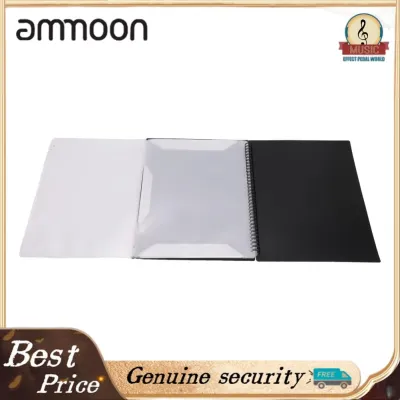
Prices are valid at publication and may change. Please refer to the product page for the latest price.
For musicians who are constantly on the move, such as members of community bands, traveling music teachers, or gigging artists, portability is the ultimate priority. In these scenarios, a highly collapsible floor stand or a specialized clip-on holder is essential. These holders are designed to fold down into a fraction of their fully extended size, allowing you to pack them quickly and move between rehearsal spaces, schools, and local venues without carrying bulky, heavy gear.
Evaluate Stand Stability and Weight Trade-offs
When selecting a music score holder, you will constantly balance the trade-off between structural stability and physical weight. The foundation of any freestanding holder is its base design, which typically falls into two categories: tripod legs or solid weighted flat bases. Tripod legs are exceptionally versatile because they can adapt to uneven surfaces, making them the preferred choice for outdoor performances, historic church halls, or carpeted rehearsal rooms. Many tripod designs allow you to adjust the leg spread, widening the footprint for maximum stability or narrowing it to fit into tight spaces.

Solid weighted flat bases, on the other hand, are ideal for flat, high-traffic indoor environments. Because they lack protruding legs, they present a much lower tripping hazard for passing musicians and stagehands. However, these bases are inherently heavy, making them less suitable for travel. This brings us to material considerations: heavy-duty steel stands offer unmatched stability and can easily support heavy, bound anthologies without wobbling, but they are exhausting to carry over long distances. Lightweight aluminum or reinforced plastic stands are incredibly easy to transport, but they are more susceptible to tipping if bumped or subjected to a sudden draft.
To ensure your safety and protect your materials, always verify the manufacturer’s specified maximum weight capacity before purchasing. Do not rely on visual thickness or material feel alone to judge a stand’s strength. A stand that looks robust might have weak plastic joints that slip under the weight of a heavy three-ring binder. Checking the official load rating is especially critical if you plan to use the holder for heavy hymnals, thick music books, or digital devices.
Check Desk Size, Lip Design, and Page Retention
The desk—the flat surface that actually holds your sheet music—must be carefully matched to the physical dimensions of standard A4 paper. A standard A4 sheet measures 210mm by 297mm, but your holder must often accommodate more than a single sheet. If you frequently play from open binders, landscape-oriented scores, or multi-page spreads, verify that the desk width and height can fully support these formats without letting the edges of your music droop or overhang. A desk that is too small will cause your pages to sag, making them difficult to read and prone to falling.
The construction of the desk surface also plays a major role in its functionality. Solid backplates provide a continuous, flat surface that is excellent for supporting loose single sheets of paper, thin pamphlets, and digital tablets. They also give you a firm backing if you need to write quick pencil annotations during a rehearsal. However, solid plates are heavier and act like a sail in windy conditions. Wireframe desks, constructed from thin metal rods, are significantly lighter and allow wind to pass through, but they cannot support loose sheets without a folder, and writing on them is virtually impossible.
Page retention is another critical factor to examine. Look for a desk with a deep bottom lip—ideally at least 2 to 3 centimeters—to accommodate thick music books and prevent them from sliding forward. Additionally, high-quality holders feature built-in retention mechanisms, such as spring-loaded page arms, adjustable wire clips, or elastic cords. These features are invaluable for keeping stubborn book pages flat and preventing multiple loose sheets from shifting or blowing away when a door opens or an overhead fan is turned on.
Adjustability and Ergonomics for Comfortable Reading
Proper ergonomics are essential for preventing neck strain, back pain, and eye fatigue during long practice sessions or performances. The height adjustment mechanism of your stand should be smooth, secure, and easy to operate. Common designs include friction clutches, screw-in knobs, and push-button locks. Friction clutches allow for rapid, one-handed adjustments but can wear out over time and slip. Screw-in knobs provide a highly secure lock but require more effort to adjust. Push-button mechanisms offer discrete height intervals and are highly reliable, though they offer less micro-adjustability.
The tilt angle of the desk is equally important for maintaining a comfortable reading posture. The desk must be able to tilt backward sufficiently so that your line of sight is perpendicular to the sheet music. If the desk cannot tilt back far enough, you may find yourself hunching forward or straining your neck to read the top lines of the score. A proper tilt angle also utilizes gravity to keep your music resting securely against the backplate, reducing the risk of pages sliding forward and falling off the stand.
To find the perfect height and angle, always measure your eye level while holding your instrument in your standard playing posture before making a purchase. For example, a seated cellist will require a much lower maximum stand height than a standing violinist or a tall singer. Ensure the stand you choose can comfortably reach your measured eye level with room to spare, allowing you to maintain a healthy, upright posture that supports deep breathing and optimal playing technique.
Portability and Storage for Musicians on the Move
For musicians who frequently travel to rehearsals, lessons, or gigs, the ease of transporting and storing a music score holder is just as important as its stability. When evaluating portability, pay close attention to the folding mechanism. Some stands fold down into a compact, single-piece profile where the desk and legs collapse flat against the central shaft. Other models require partial disassembly, meaning you must remove the desk from the tripod base before packing them away. Single-piece designs are generally faster to pack, while two-piece designs often fit better into tight spaces.
Carrying solutions can greatly simplify your commute. Check if the manufacturer includes a dedicated carrying bag with a shoulder strap, or if the folded dimensions of the stand allow it to fit inside your existing instrument case, gig bag, or a standard backpack. A dedicated bag not only makes transport easier but also protects the stand’s finish and prevents its metal edges from scratching your instrument or other gear during transit.
Finally, consider the setup speed and physical effort required to deploy the stand. In fast-paced rehearsal environments or quick stage transitions, you do not want to struggle with complicated latches, stiff joints, or loose screws. A high-quality portable stand should feature intuitive, quick-release locks that allow you to set up or pack down the entire unit in under a minute, letting you focus your energy on your performance rather than your equipment.
Frequently Asked Questions (FAQ)
Can I use an A4 music score holder for a tablet or laptop?
Yes, you can use an A4 music score holder for a digital tablet, but you must verify several safety factors first. It is highly recommended to use a stand with a solid backplate rather than a wireframe desk, as wireframes have large gaps that a tablet could easily slip through. Ensure the bottom lip of the desk is deep enough to securely cradle the thickness of your tablet, especially if it is in a protective case. Most importantly, check the manufacturer’s official weight capacity for the stand and compare it to the weight of your device to prevent the stand from tipping over or collapsing.
What is the best way to keep sheet music from blowing away outdoors?
Performing outdoors presents unique challenges, but you can secure your A4 sheet music using a few practical strategies. Choose a stand equipped with built-in, spring-loaded page clamps or adjustable elastic retention cords to hold your pages flat against the desk. Placing your sheet music inside transparent, non-reflective plastic sheet protectors or a heavy-duty binder can also shield it from sudden gusts of wind and light moisture. To prevent the entire stand from blowing over, position it to minimize direct wind exposure, and consider using a weighted base or placing a small sandbag over the tripod legs for added stability.
Community discussion
Share your experience or ask a question. Comments are reviewed before publication.