
Selecting the right African drum requires matching your current physical technique, musical goals, and local environment to the specific design of the instrument. Whether you are drawn to the expressive, high-energy tones of the djembe or the deep, foundational rhythms of the dunun family, the ideal drum should support your posture and withstand your local climate. By evaluating your skill level, understanding the structural differences between drum types, and verifying material specifications, you can find an instrument that is both comfortable to play and built to last.
Assess Your Current Skill Level and Musical Goals
Your journey with African percussion begins with an honest evaluation of your current rhythmic experience and what you hope to achieve. Beginners often benefit from highly versatile instruments that offer forgiving playing surfaces and clear tonal distinctions between the bass, tone, and slap. If you are new to hand drumming, your primary focus will be developing hand coordination, muscle memory, and basic rhythm comprehension without fighting the tension of a highly specialized solo drum.
Intermediate and advanced players typically seek instruments that offer greater dynamic range and precise tonal separation. If you already have prior musical training or hand-drumming experience, you might look for a drum that can handle high-tension tuning for crisp, cutting slaps or one that offers specific pitch-bending capabilities. Your goals might include participating in traditional community drum circles, performing in a West African percussion ensemble, or integrating hand drums into modern fusion bands.
Products mentioned in this guide
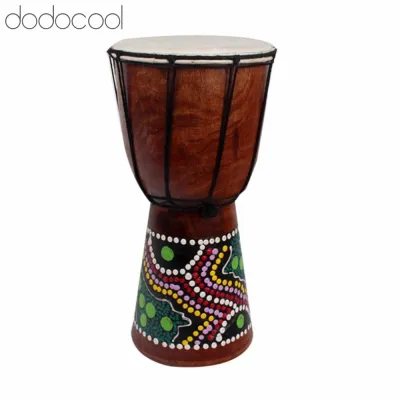
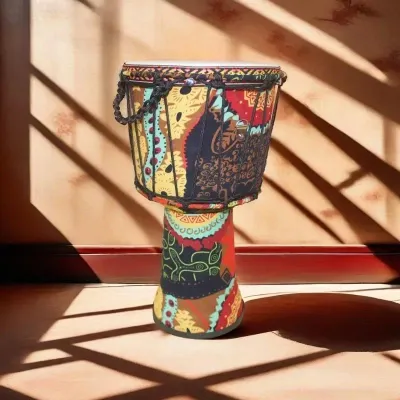
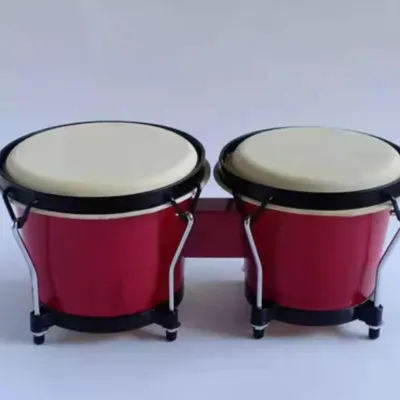
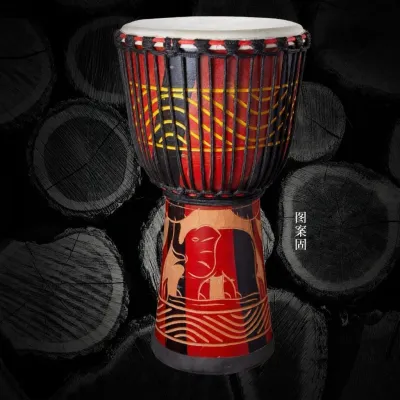
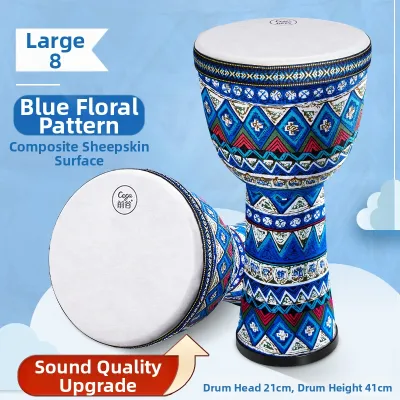
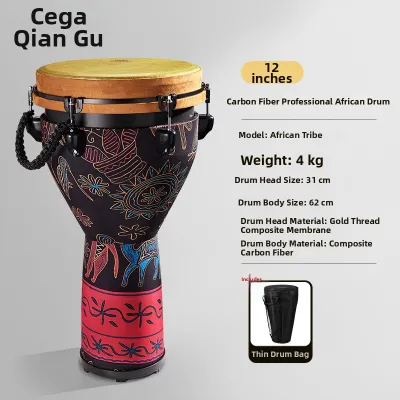
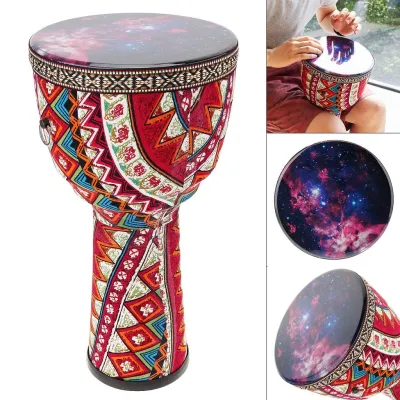
Prices are valid at publication and may change. Please refer to the product page for the latest price.
The setting in which you plan to play also dictates the level of versatility you need. A drum intended solely for personal practice or casual gatherings can be selected based on personal comfort and ease of transport. Conversely, if you plan to join a traditional ensemble, you will need an instrument that fits a specific acoustic role—such as keeping the steady pulse or leading the group with sharp, projecting solos—and matches the traditional tuning standards of the ensemble.
Match African Drum Types to Your Playing Style
Different African drums serve distinct musical roles, and choosing the right one depends heavily on the genres and performance contexts you prefer. The djembe is the most widely recognized and versatile option, characterized by its goblet shape and ability to produce three distinct sounds: a deep bass, a warm mid-tone, and a sharp, high-pitched slap. This wide acoustic range makes the djembe an excellent choice for soloists, educators, and players of all skill levels who want a single drum that can adapt to almost any musical style.

If you are drawn to the foundational, melodic basslines of traditional West African music, the dunun family offers a different playing experience. Played with sticks rather than bare hands, these cylindrical, double-headed drums include the large Dununba (deep bass), the medium Sangban (mid-range melody), and the small Kenkeni (high-pitched timekeeper). Choosing a dunun is ideal if you prefer ensemble playing, enjoy working with sticks, and want to focus on the essential rhythmic heartbeat of the music.
For those interested in specialized regional styles or unique playing techniques, other traditional instruments offer distinct advantages. The talking drum, or hourglass drum, features tension cords that allow you to squeeze the drum under your arm to bend the pitch while striking the head with a curved stick, mimicking the cadences of human speech. The bougarabou, with its elongated goblet shape and thick cowhide head, produces a deep, rich, and warm tone that is highly suited for steady, hypnotic grooves in acoustic settings.
Select the Right Size, Material, and Specifications
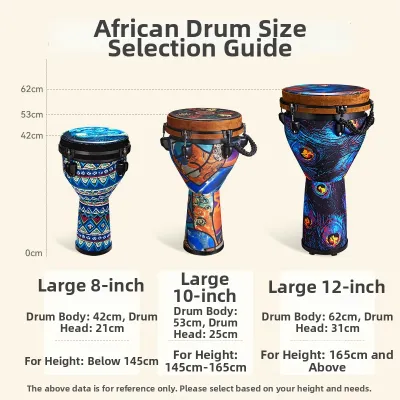
Finding a drum that matches your physical build is essential for preventing strain and ensuring proper playing technique. When selecting a djembe, the drum head diameter should correspond to your hand size; a head that is too small will crowd your hands and make it difficult to strike distinct tones and slaps cleanly. You should check the manufacturer’s specification sheets for the exact head diameter, typically ranging from 8 inches for travel models to 14 inches or more for full-sized performance instruments.
Ergonomics also depend on the height of the drum shell and its base dimensions. A drum that is too tall for your seated height will force you to raise your shoulders uncomfortably, while a drum that is too short can lead to slouching. Verify the physical dimensions of the drum against your own seated posture, ensuring that when the drum is tilted slightly away from you, your forearms can maintain a relaxed, downward angle toward the playing surface.
The choice of shell material affects both the weight of the instrument and its resilience to environmental changes. Traditional hand-carved hardwood shells, such as those made from mahogany, lenke, or iroko, offer classic resonance and aesthetic appeal but can be heavy and sensitive to extreme temperature shifts. Synthetic shells, often made from fiberglass or PVC, are lightweight, highly durable, and excellent for outdoor use or humid climates, though they may lack some of the complex overtones of natural wood.
Equally important is the choice between natural skin and synthetic drum heads. Natural goat skin or cowhide heads provide a warm, traditional tone with rich harmonic complexity, but they are highly sensitive to humidity, requiring frequent tuning adjustments in tropical environments like Singapore. Synthetic heads offer exceptional tuning stability regardless of weather changes and require minimal maintenance, making them a practical choice for players who want a consistent sound without the need for regular tension adjustments.
Inspect Build Quality and Hardware Before Purchase
Before finalizing your purchase, a thorough physical inspection is necessary to ensure the instrument is structurally sound and safe to play. Examine the wooden shell carefully for any hairline cracks, particularly around the base and the bearing edge where the skin meets the wood. The bearing edge must be perfectly smooth and round; any sharp points, splinters, or unevenness can cause the drum head to tear under high tension.
The tuning system requires close examination to ensure it can hold tension reliably over time. Traditional rope-tuned drums use a system of vertical ropes and woven knots (the Mali weave) to adjust pitch; inspect the rope for fraying, check that the vertical lines are spaced evenly, and ensure there is enough excess rope left to pull future tuning knots. If you choose a mechanical tuning system with metal lugs and rims, verify that the hardware is securely bolted to the shell, the threads are smooth, and the metal shows no signs of rust or structural bending.
Inspect the drum skin itself for consistency in thickness and texture across the entire playing surface. Avoid skins that show deep scars, insect damage, or thin spots, as these areas are prone to splitting when tuned to high pitches. The skin should be seated evenly on the crown of the drum, with uniform tension distributed across the entire perimeter.
Finally, review the manufacturer’s documentation or retailer specifications to verify the origin of the materials and any included warranty coverage. Reputable makers often provide specific care guidelines, detailing how to oil a natural wood shell or protect a natural skin head from drying out. Checking these details beforehand ensures you have a clear path for long-term maintenance and support.
Frequently Asked Questions (FAQ)
Should I choose a synthetic or natural skin for my first African drum?
For your first drum, the choice depends on your local climate and how much time you want to spend on maintenance. Synthetic heads are highly recommended if you live in a humid environment, as they do not stretch or lose tension when the weather changes, ensuring a consistent sound every time you play. Natural skin heads offer a warmer, more traditional tone but require regular tuning adjustments and protection from moisture to prevent damage.
How do I know if an African drum is the right height for me?
To check if a drum is the right height, sit comfortably on a chair with your feet flat on the floor and place the drum between your knees, tilting it slightly forward. Your elbows should be bent at an angle of roughly 90 to 100 degrees, allowing your hands to rest naturally on the drum head without forcing your shoulders upward or causing you to bend your back. Compare your seated measurements with the manufacturer’s height specifications before buying.
Community discussion
Share your experience or ask a question. Comments are reviewed before publication.