
There is no single “best” Bhagavad Gita translation for everyone. The ideal edition depends on whether you prioritize modern, readable language that maps directly to contemporary self-improvement or a more traditional, literal translation that preserves historical context. For a beginner seeking practical personal growth, the goal is to find a version that bridges ancient Sanskrit concepts with actionable daily wisdom, without requiring a background in Eastern philosophy or theology. This guide provides the essential criteria, translation styles, and verification steps to help you select the right book for your personal development journey.
Key Criteria for Evaluating Beginner-Friendly Translations
To evaluate different editions of the Bhagavad Gita, you must look beyond the cover design and focus on how the text is structured and translated. Since the original work was composed in classical Sanskrit, every English version is an interpretation. Understanding the translator’s methodology will help you determine if a specific book aligns with your learning style.
The first major differentiator is the translation approach, which generally falls along a spectrum between literal accuracy and dynamic equivalence. A literal translation attempts to match Sanskrit words to their closest English counterparts as precisely as possible. While this preserves the formal structure of the original verses, it can result in stiff, archaic phrasing that is difficult for a beginner to digest. On the other hand, dynamic equivalence prioritizes readability and modern flow. Translators using this method focus on conveying the underlying meaning and emotional resonance of the verses in natural, contemporary English, making the text far more accessible for self-improvement.
Products mentioned in this guide
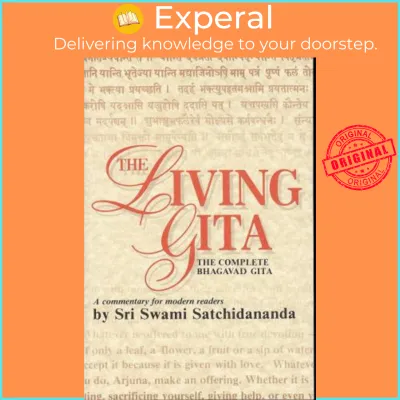
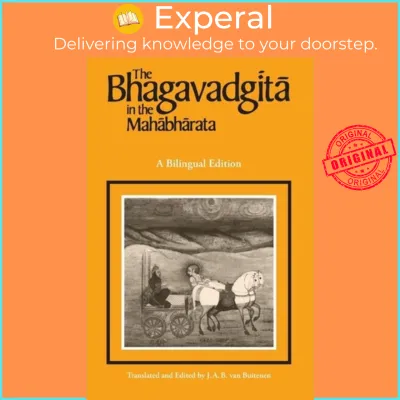
Prices are valid at publication and may change. Please refer to the product page for the latest price.
Commentary depth is another critical factor to examine before purchasing. The Bhagavad Gita is relatively short, consisting of 700 verses, but its concepts are dense. Many editions include extensive commentary, often called purports or reflections, after each verse or chapter. For a beginner, the ratio of original verse to commentary is vital. An edition with minimal commentary leaves you to interpret complex metaphors on your own, which can be overwhelming. Conversely, an edition with rich, practical commentary explains how ancient concepts like karma (action) and dharma (duty) apply to modern challenges, such as workplace stress, decision-making, and personal relationships.
Finally, pay close attention to how the book handles Sanskrit terminology. Some translations retain many original terms, such as sankhya, guna, or yoga, expecting the reader to learn this vocabulary or constantly refer to a glossary. For self-improvement seekers who want a seamless reading experience, look for editions that translate these terms into clear English equivalents—such as translating guna as “qualities of nature” or dharma as “right action” or “purpose”—or those that provide immediate, in-text explanations.
Matching Translation Styles to Your Personal Growth Goals
Different translators write for different audiences, meaning you can find editions tailored to specific personal growth paths. Identifying your primary motivation for reading the text will help you narrow down the style of translation that will benefit you most.

If your primary goal is mental wellness, stress reduction, or emotional resilience, look for translations that utilize modern psychological mapping. These editions frame the dialogue between Arjuna and Krishna as an internal struggle with anxiety, doubt, and mental clutter. The commentary in these versions often translates concepts of detachment and mindfulness into cognitive-behavioral terms. They emphasize how to master the mind, manage desires, and maintain equanimity amidst life’s inevitable ups and downs, making the text feel like a modern therapeutic guide.
For those who want to understand the philosophical foundation of the text without getting bogged down in complex theology, simplified traditional philosophy editions are ideal. These versions retain the historical setting of the battlefield and the cultural context of ancient India but use relatable, everyday analogies to explain the teachings. The translators of these editions often draw parallels between ancient spiritual disciplines and modern daily routines, helping you appreciate the timeless nature of the wisdom while keeping the reading experience engaging and straightforward.
If you are looking for highly actionable advice that you can implement immediately, look for action-oriented guides or thematic editions. These books often reorganize the verses or focus their commentary entirely on practical application, such as leadership, ethical decision-making, and personal productivity. Rather than reading the text sequentially, these editions might group verses around specific themes like overcoming fear, building discipline, or finding your life’s purpose. This style is particularly suited for professionals, students, and anyone looking for a structured, habit-focused approach to self-improvement.
Essential Checks Before Purchasing a Bhagavad Gita Book
With hundreds of editions available on online marketplaces and in local bookstores, making an informed purchase requires a systematic approach. Before committing to a specific copy, perform a few simple checks to ensure the book meets your needs.
First, review the book’s introduction and table of contents. The introduction is where the translator outlines their background, philosophical lineage, and intent. A translator who aims to provide a secular, practical guide for daily living will state this clearly, whereas one focused on sectarian theology or academic linguistics will have a very different tone. Checking the table of contents will also show you how the book is structured, indicating whether it includes helpful additions like a glossary, index, or thematic study guides.
Second, always read a sample chapter before buying, with Chapter 2 being the ideal test case. Chapter 2 is often considered an overview of the entire Gita, containing core teachings on the soul, duty, and mental control. Reading this chapter in a physical bookstore or via a digital preview allows you to test the language flow and tone. If you find yourself re-reading sentences multiple times just to understand the basic meaning, or if the tone feels too dry or overly dogmatic, that particular translation may not be the best fit for your self-improvement journey.
Third, verify the physical or digital layout of the text. A well-designed edition should clearly distinguish between the original verses (often presented in transliterated Sanskrit or bold English text) and the translator’s commentary. If the verses and commentary blend together without clear visual separation, reading the book can become confusing. Look for layouts that use distinct fonts, spacing, or formatting to keep the original text and the modern explanations clearly organized, which is especially important if you plan to read the book on an e-reader.
Common Pitfalls to Avoid When Reading for Self-Improvement
Using an ancient philosophical text for modern self-improvement can be incredibly rewarding, but it also comes with potential pitfalls. Being aware of these challenges will help you approach the text with the right mindset and avoid common misinterpretations.
One major pitfall is taking inspirational quotes out of their broader context. In the age of social media, it is easy to find isolated verses about peace, action, or detachment. However, the Bhagavad Gita is a continuous dialogue set within a larger narrative framework. Reading verses in isolation can lead to a superficial understanding or even a misinterpretation of the core message. To get the full value of the teachings, make an effort to read the chapters sequentially and understand how each concept builds upon the previous one.
Another common mistake is confusing modern self-help reinterpretations with the original text’s core teachings. While mapping ancient wisdom to modern psychology is highly useful, some translations may oversimplify or distort the original concepts to fit contemporary self-help trends. For example, the Gita’s concept of “renunciation of the fruits of action” is not merely about avoiding burnout or managing expectations; it is a deep philosophical practice of selflessness. Keep a balanced perspective by choosing editions that respect the depth of the original philosophy while making it accessible.
Finally, avoid expecting immediate behavioral fixes from your reading. The Bhagavad Gita does not offer quick life hacks or instant solutions to complex life problems. Instead, it invites readers to undergo a gradual, long-term shift in perspective, emotional regulation, and self-awareness. Approach the text as a lifelong study rather than a book to be read once and put away. True self-improvement comes from repeatedly reflecting on the teachings and gradually integrating them into your daily decisions and habits.
Frequently Asked Questions (FAQ)
Do I need prior knowledge of Hindu philosophy to benefit from the book?
No, you do not need any prior knowledge of Hindu philosophy to benefit from the Bhagavad Gita, especially if you choose a beginner-friendly translation. Most introductory editions are designed specifically for readers who are new to the text, providing all the necessary historical and cultural context in the introduction and footnotes. When reading for self-improvement, your primary focus should be on the universal themes of duty, self-mastery, focus, and emotional resilience, which transcend specific theological or cultural boundaries.
Should I choose an abridged version or the complete text?
For most beginners, a complete text with guided commentary is highly recommended over an abridged version. While an abridged book might seem less intimidating because it only highlights the most famous or actionable verses, it often strips away the narrative flow and the logical progression of the dialogue. A complete text of 700 verses is relatively short and provides the full context of the conversation. If you are short on time, you can always use a complete edition but focus your reading on key chapters, such as Chapters 2, 3, and 6, which contain the core practical teachings.
Are audiobooks a good alternative for beginners?
Audiobooks can be an excellent way to experience the poetic flow and rhythm of the Bhagavad Gita, but they have distinct limitations for serious study. Listening to an audiobook is highly effective for absorbing the narrative and the general tone of the translation. However, because the text is philosophically dense, you may find it difficult to follow complex commentary, take notes, or reflect deeply on specific verses while listening on the go. A great approach for beginners is to use a physical book or e-book for your primary study and use an audiobook as a supplementary tool to reinforce the teachings during your daily commute or quiet time.
Community discussion
Share your experience or ask a question. Comments are reviewed before publication.