
Finding the right cello stopper is essential for maintaining proper playing posture, protecting delicate flooring, and ensuring your instrument remains stable during intense performances. The ideal choice depends heavily on the specific floor surface you practice or perform on. While a simple rubber disc might suffice for a clean, polished studio floor, it can easily slip on dusty tile or sink into thick carpeting. To prevent sudden slips that could damage your cello, understanding how different stopper designs interact with hardwood, tile, and carpet is the first step toward a secure setup.
Quick Selection Matrix: Matching Stoppers to Floors
When selecting a cello stopper, matching the accessory’s physical mechanism to your primary playing environment prevents unexpected slips and floor damage. Different surfaces present unique physical challenges, from the high slip risk of polished marble to the uneven texture of deep-pile carpets.
The following matrix summarizes how the three primary stopper categories perform across common flooring types:
Products mentioned in this guide
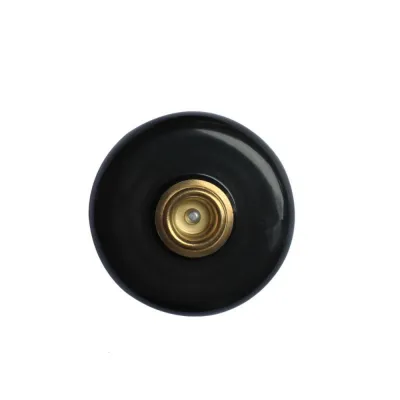
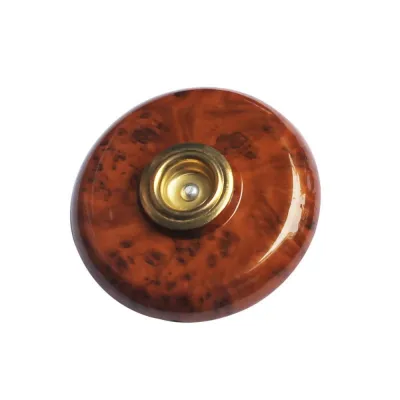
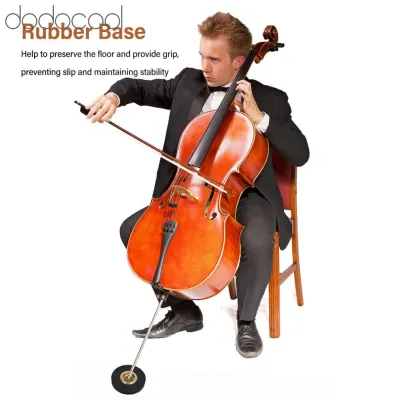
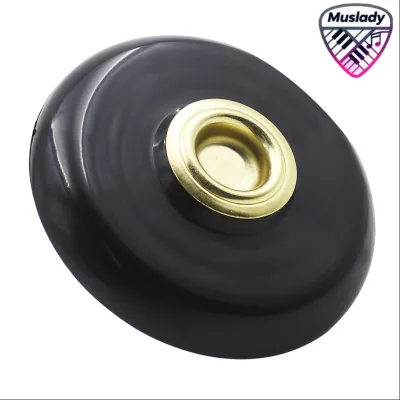

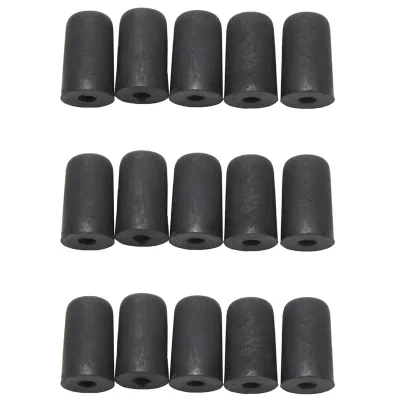
Prices are valid at publication and may change. Please refer to the product page for the latest price.
| Floor Surface | Recommended Stopper Type | Primary Mechanism | Key Advantage |
|---|---|---|---|
| Hardwood / Parquet | Anchor Strap or Soft Rubber Disc | Tether-based or Friction-based | Prevents scratches; high stability |
| Tile / Polished Stone | Anchor Strap | Tether-based | Bypasses slick surfaces and grout lines |
| Carpet / Rugs | Rock Stop or Anchor Strap | Mass-based or Tether-based | Distributes weight; prevents sinking |
| Vinyl / Laminate | High-Tack Rubber Disc | Friction-based | Easy setup; non-marking protection |
Your choice should also be guided by your specific playing habits and lifestyle. If you are a touring musician who frequently performs in unfamiliar venues, a highly portable anchor strap offers the most reliable protection across unpredictable floor finishes. For home studios with dedicated practice spaces, a heavy, aesthetically pleasing wooden rock stop provides excellent stability and remains in place without needing to be attached to a chair.
Be cautious of universal “one-size-fits-all” claims made by manufacturers. A stopper that grips perfectly on a clean showroom floor may fail completely on a dusty stage or a highly waxed parquet surface. Always verify the grip on your specific floor finish before committing to a long practice session.
How Rubber, Rock, and Anchor Stoppers Actually Work
To make an informed decision, it is helpful to understand the mechanical principles behind the three main cello stopper designs. Each type utilizes a different physical method to counteract the forward and downward force exerted by the cello endpin.

Rubber Discs and Pads
Rubber discs and pads rely entirely on friction-based mechanics. These compact accessories are typically made of high-tack rubber, silicone, or polyurethane compounds designed to grip the floor surface. When you place the sharp tip of your cello endpin into the central metal cup or indentation, the downward pressure increases the friction between the rubber base and the floor. These are highly favored for their lightweight portability and low cost, often priced between S$10 and S$20 on local online marketplaces. However, their effectiveness depends heavily on the cleanliness of both the rubber pad and the floor; a thin layer of dust or lint can dramatically reduce friction, causing the pad to slide unexpectedly.
Rock Stops (Weighted Blocks)
Rock stops, also known as weighted blocks, utilize mass-based stability combined with a high-friction backing. These stoppers are usually larger, circular or square blocks made of heavy plastic, wood, or metal, featuring a durable rubber or foam pad on the underside. The added mass of the block helps keep it firmly planted, while the wide surface area distributes the pressure of the endpin. Many cellists prefer rock stops for classical concert settings because they are visually unobtrusive and often feature elegant wood finishes that match the instrument. The primary trade-off is their bulk; they are heavier and take up more space in an instrument case accessory pocket than a simple rubber pad.
Anchor and Strap Types
Anchor and strap systems employ a tether-based mechanism that completely bypasses floor friction. These systems consist of an adjustable nylon or leather strap with a loop or cup at one end to hold the cello endpin, and a secure loop or T-bar at the other end that hooks around the leg of your chair. Because the strap physically links the cello to the chair you are sitting on, the instrument cannot slide forward unless the chair itself moves. This design offers absolute mechanical security, making it the preferred choice for professional cellists playing on highly polished, slippery, or uneven surfaces. The main drawback is the slightly longer setup time required to adjust the strap length and loop it around the chair leg, as well as the larger physical footprint of the strap stretching across the floor.
Floor-Specific Challenges: Hardwood, Tile, and Carpet
Every flooring material presents distinct physical challenges that can affect both your playing stability and the condition of the floor itself. Understanding these challenges allows you to select a stopper that protects your surroundings while keeping your instrument secure.
Hardwood Floors
Hardwood and parquet floors are highly susceptible to scratching, denting, and finish wear. The sharp metal tip of a cello endpin can easily puncture polyurethane or wax finishes, leaving permanent, costly damage. When playing on hardwood, avoiding hard plastic stoppers is critical, as they can slide across the surface and act like sandpaper, leaving fine scratches. Instead, look for soft, non-marking rubber discs or rock stops lined with high-quality felt or soft natural rubber. If you choose an anchor strap, ensure the metal buckles or adjustment slides do not rest directly on the wood floor where they could cause scratches when tensioned.
Tile and Stone
Polished tile, marble, and homogeneous stone floors present extreme slip risks due to their exceptionally smooth, non-porous surfaces. Additionally, the presence of grout lines creates an uneven surface that can catch the edge of a small rubber disc, causing it to tilt or lose suction. Friction-based rubber pads often struggle on highly polished stone, especially in humid climates where a microscopic layer of moisture can form on the floor. For these environments, an anchor strap is highly recommended, as it does not rely on surface friction to stay in place. If you must use a rock stop, select one with a deep, textured rubber grid on the bottom that can bridge grout lines without losing its grip.
Carpeted Floors
Carpeted floors present the opposite challenge: instead of slipping, the endpin tends to sink into the fibers, causing the cello to feel unstable and wobble laterally. Small rubber pads are highly ineffective on carpet because they tilt and sink into the pile. To achieve stability on carpet, you need a stopper with a wide, rigid base that distributes the downward force over a larger surface area. Wide-base rock stops or rigid wooden anchors work exceptionally well here, as they compress the carpet fibers evenly and provide a solid, flat platform for the endpin.
Safe Testing Methods
Before beginning a long practice session on an unfamiliar floor, always perform a quick, safe grip test. Place your stopper on the floor, insert the endpin, and apply moderate forward pressure with your hands while keeping your body clear of the instrument. Observe whether the stopper slides, tilts, or leaves any visible residue. This simple check prevents sudden slips during play and ensures the stopper material does not chemically react with or mark the floor finish.
What to Verify Before Buying and Setting Up
To ensure your chosen cello stopper performs reliably, there are several physical compatibility factors and maintenance routines you should verify before making a purchase.
First, check the compatibility of your cello’s endpin with the stopper’s central cup or hole. Cello endpins come in various diameters, typically ranging from 8mm to 10mm, and some feature bulky rubber tips while others have sharp, bare metal points. Verify the manufacturer’s specifications to ensure the stopper’s metal insert or receiving hole is deep and wide enough to securely cradle your specific endpin tip without allowing it to wobble or slip out.
If you are opting for an anchor or strap system, evaluate the design of the chairs you typically use. Strap systems rely on hooking around a chair leg; therefore, they work best with standard four-legged chairs. If you frequently practice on office chairs with caster wheels, star-shaped bases, or thick pedestal legs, a standard strap loop may not fit securely. Look for adjustable straps with universal hooks or large, flexible loops that can accommodate various leg shapes and diameters.
Routine maintenance is essential to preserve the grip of friction-based stoppers. Over time, rubber pads accumulate dust, lint, and floor wax, which severely degrades their slip resistance. Periodically wash rubber stoppers with mild dish soap and warm water, then allow them to air dry completely to restore their natural tackiness. For strap systems, regularly inspect the nylon webbing for fraying and check the plastic or metal adjustment buckles for cracks. Weighted rock stops should be checked for structural cracks, especially around the metal cup where the endpin rests, as high pressure can split wood or plastic over time.
Establish clear stop conditions for your gear. If a rubber pad becomes hard, brittle, or permanently slick despite cleaning, discard it immediately. Similarly, if an anchor strap shows signs of tearing or a rock stop’s backing begins to peel away, replace the accessory. Continuing to use a compromised stopper risks sudden instrument falls, which can lead to expensive luthier repairs far exceeding the cost of a new accessory.
Frequently Asked Questions (FAQ)
Can I use a cello stopper on heated floors?
Many modern homes and studios feature radiant underfloor heating systems. When playing on heated floors, it is crucial to check the manufacturer’s material specifications for your cello stopper. Prolonged contact with a warm floor can cause low-quality rubber or silicone compounds to soften, degrade, or release oils that can permanently stain wood or tile finishes. To minimize this risk, avoid cheap, unbranded synthetic rubber pads that may off-gas or melt under low heat. Opt for high-quality, heat-resistant silicone stoppers or use a tether-based anchor strap that keeps the contact points minimal and away from direct heat concentration.
Do I need a different stopper for outdoor or stage performances?
Outdoor and professional stage environments present unique challenges that standard home stoppers cannot always handle. For outdoor performances on uneven grass, dirt, or wooden decks, friction-based rubber pads are virtually useless. An adjustable anchor strap is the most reliable choice for outdoor settings, as it secures the instrument directly to your performance chair regardless of the ground texture. On professional stages, you must also consider venue rules; many concert halls strictly prohibit bare endpins or abrasive stoppers to protect their expensive hardwood stages. A high-quality rock stop with a non-marking felt or soft rubber backing ensures compliance with venue guidelines while providing the stability needed for a confident performance.
Community discussion
Share your experience or ask a question. Comments are reviewed before publication.