
Selecting the right Chinese dictionary is one of the most important decisions you will make at the beginning of your Mandarin learning journey. For a beginner, the ideal dictionary is not necessarily the one with the largest vocabulary, but the one that provides clear pronunciation guides, graded vocabulary, and intuitive lookup methods that prevent frustration. Choosing between a physical book and a digital application depends on your study habits, but ensuring the tool matches your current proficiency level is the key to maintaining momentum.
Key Features to Look for in a Beginner Chinese Dictionary
Pinyin is the Romanized phonetic system used to pronounce Chinese characters, and a beginner-friendly dictionary must display it clearly alongside every entry. Accurate tone marks are essential, as a change in tone completely alters the meaning of a word. High-quality digital dictionaries often include native-speaker audio recordings, allowing you to hear the correct tones and inflections, which is vital for developing accurate listening and speaking skills early on.
Look for dictionaries that align their entries with standard proficiency frameworks, such as the Hanyu Shuiping Kaoshi (HSK). Graded vocabulary helps you focus on high-frequency words that are appropriate for your level, preventing you from getting bogged down by archaic or highly technical terms. When a dictionary highlights beginner-level words, you can study more efficiently and build a solid foundation before moving on to complex literary expressions.
Products mentioned in this guide


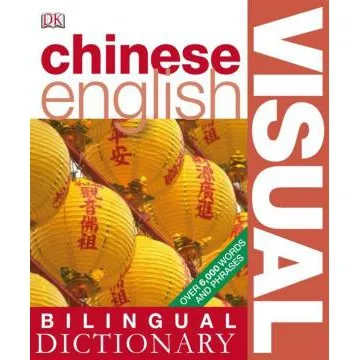
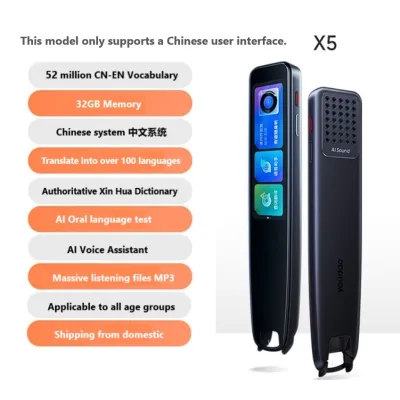
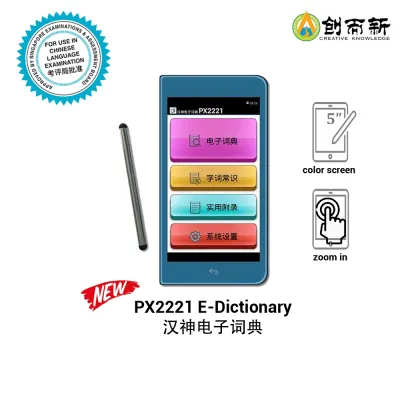
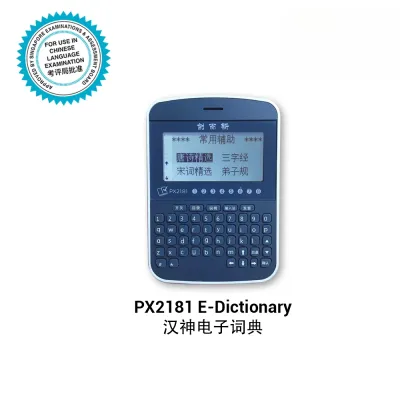
Prices are valid at publication and may change. Please refer to the product page for the latest price.
A word’s definition only tells you half the story; understanding how to use it in a sentence is where true learning happens. Beginner dictionaries should feature simple, contextual example sentences accompanied by natural English translations. These examples demonstrate proper grammar, word order, and common collocations, helping you avoid literal translations that sound unnatural to native speakers.
Chinese characters are constructed from specific components, radicals, and stroke sequences rather than random lines. A great beginner dictionary provides a visual breakdown of these elements. Learning the stroke order helps you write characters legibly and aids in muscle memory, while understanding radicals allows you to recognize patterns and guess the general meaning or pronunciation of unfamiliar characters you encounter later.
Digital Apps vs. Physical Dictionaries: Choosing Your Format
The primary advantage of digital dictionary applications is their unmatched search speed and portability. Carrying a comprehensive dictionary on your smartphone means you have instant access to thousands of words wherever you go, whether you are studying at a local cafe in Singapore or practicing vocabulary on your daily commute. Multimedia features, such as instant audio playback, interactive stroke-order animations, and customizable flashcard decks, make digital tools highly dynamic and engaging for modern learners.

However, digital apps come with practical trade-offs that you must consider before downloading. Many advanced features, high-quality audio files, and offline databases require significant storage space on your device. If you plan to study in areas with spotty internet coverage, you must verify whether the app functions fully offline or if it relies on a constant data connection. Additionally, studying on a smartphone or tablet exposes you to constant digital distractions, such as social media notifications and messages, which can disrupt your focus during dedicated study sessions.
In contrast, physical dictionaries offer a tactile, distraction-free learning environment that many students find highly beneficial for deep concentration. Flipping through the pages of a printed book engages your spatial memory, helping you remember where a word is located on a page and exposing you to neighboring words that can expand your vocabulary naturally. A physical book does not rely on battery power, software updates, or internet access, making it a reliable, lifelong reference tool for your study desk.
Nevertheless, print editions have clear physical limitations that may not suit every learner’s lifestyle. A comprehensive bilingual dictionary can be heavy and bulky, taking up valuable desk space and making it impractical to carry in a backpack daily. Furthermore, physical books lack the interactive elements of digital apps, meaning you cannot tap a button to hear a native speaker’s pronunciation or watch a character write itself stroke by stroke. You must weigh these spatial and functional trade-offs against your personal learning style and study environment.
Evaluating Character Lookup Methods for Beginners
For digital dictionary users, handwriting recognition is an invaluable tool for looking up characters you see in the real world but do not know how to pronounce. Instead of guessing the pinyin, you can draw the character directly on your screen. High-quality handwriting engines are quite forgiving of minor stroke-order mistakes, making them highly accessible for beginners who are still mastering the rules of Chinese calligraphy.
When you know how a word sounds but cannot remember how to write it, pinyin input is the fastest way to search. A good dictionary allows you to type the pinyin syllables with or without tone numbers to quickly filter through homophones. This method is highly efficient for translating spoken words or verifying the meaning of vocabulary you hear in class or audio lessons.
If you are using a physical dictionary or find yourself offline without handwriting input, you must rely on traditional lookup methods. This involves identifying the character’s radical—the semantic component that often hints at the word’s meaning—and counting the remaining strokes. While this method has a steeper learning curve for beginners, mastering the radical index is a fundamental skill that deepens your understanding of Chinese character structure and dictionary organization.
Modern digital dictionaries often feature optical character recognition (OCR), allowing you to point your phone’s camera at printed text, signs, or menus to get instant translations. This is incredibly useful for practical, real-world navigation and reading practice. Additionally, wildcard search functions help you find words when you can only remember a portion of a compound phrase, allowing you to fill in the blanks and locate the exact term you need.
Pre-Purchase and Download Verification Checklist
Before purchasing a digital dictionary app or subscribing to a premium service, verify its compatibility with your device’s operating system. Check the app store listing for the required storage space, keeping in mind that downloading offline databases, high-resolution stroke animations, and audio packs can easily require several gigabytes of space. Ensure your device has sufficient free memory to run the app smoothly without lagging.
For physical books, always verify whether the dictionary focuses on simplified characters, traditional characters, or both. If you are studying Mandarin in Singapore, simplified characters are the standard used in schools and official communications, making them the logical choice. Additionally, check the publication or edition year; language usage evolves, and a recent edition ensures that contemporary vocabulary, modern technology terms, and updated phonetic standards are accurately represented.
Dictionary apps often use various pricing models, ranging from free basic versions with ads to one-time purchases or recurring monthly subscriptions. Carefully review what is included in the free tier versus the paid upgrades. In Singapore, a premium physical dictionary or a lifetime app license might cost anywhere from S$15 to S$60 or more. Determine whether the advanced features, such as offline OCR or specialized vocabulary packs, justify the cost for your current learning stage.
Never assume that a dictionary includes complete audio support based on the title or cover description alone. Before committing to a purchase, check if the tool offers native-speaker audio for both individual vocabulary words and full example sentences. Synthesized or robotic text-to-speech voices can sometimes mispronounce tones or sound unnatural, so verifying the presence of high-quality, human-recorded audio is essential for training your ear correctly.
Frequently Asked Questions (FAQ)
Do beginners need a dictionary that supports both simplified and traditional characters?
For most beginners, focusing on one character system is highly recommended to avoid cognitive overload. If your primary goal is to communicate in mainland China or Singapore, you should focus on simplified characters, which are designed with fewer strokes and are easier to learn initially. If you plan to travel, study, or work in Taiwan or Hong Kong, traditional characters are the standard. However, choosing a dictionary that displays both systems side-by-side can be useful for passive reference, allowing you to recognize the relationship between the two scripts without feeling pressured to write both.
Is a dedicated Chinese dictionary better than a general translation app?
Yes, a dedicated Chinese dictionary is significantly better for structured language learning than a generic translation app. While general translators are convenient for quick, word-for-word translations during travel, they often lack the grammatical context, measure words, and stroke-order guides that language learners need. Dedicated dictionaries provide curated linguistic data, showing you how a character functions as different parts of speech and offering precise example sentences. This prevents you from making embarrassing literal translation errors and helps you build a deeper, more accurate understanding of Mandarin grammar and syntax.

Community discussion
Share your experience or ask a question. Comments are reviewed before publication.