
Choosing the right dictionary is far more than a simple administrative step in your language learning journey; it is a foundational decision that directly shapes how you process, retain, and eventually speak your new language. A dictionary is not merely a passive list of definitions, but an active learning scaffold. When selected correctly, it aligns with your cognitive capacity at your current stage of study, helping you transition smoothly from basic word-for-word translation to thinking directly in your target tongue. Conversely, an ill-fitting dictionary can create frustration, leading to cognitive overload or a dependency on inaccurate literal translations. By carefully evaluating your current proficiency, understanding the structural differences between various dictionary types, and selecting the optimal format for your daily study environment, you can acquire a highly effective resource that accelerates your path to fluency.
Assess Your Current Language Proficiency
Your current language level dictates how much assistance you need to understand a definition without interrupting your reading flow. Beginners and lower-intermediate learners typically require the safety net of their native language to grasp new concepts quickly. At this stage, trying to read definitions written entirely in the target language can lead to cognitive overload, where you must look up words within the definition itself, stalling your progress and dampening your motivation.
As you transition to an upper-intermediate or advanced level, your goals shift from basic comprehension to nuance, precision, and natural expression. This is the threshold where relying solely on native-language translations can actively hinder your growth. Direct translations often miss cultural context, regional variations, or subtle differences in meaning, which can lead to awkward phrasing when you attempt to produce the language yourself.
Products mentioned in this guide
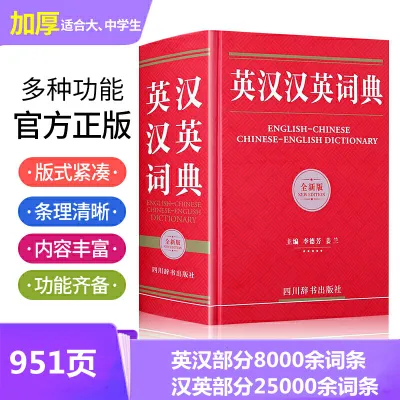
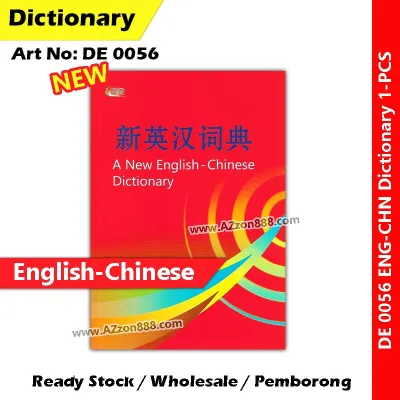

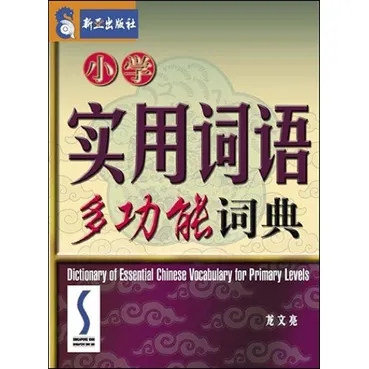
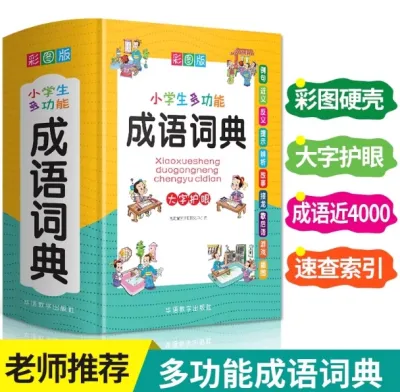
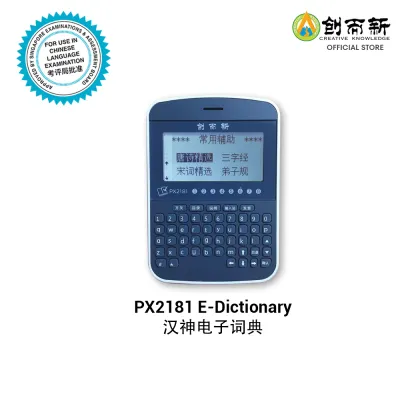
Prices are valid at publication and may change. Please refer to the product page for the latest price.
To assess your current needs, observe your reading habits and vocabulary gaps during a typical study session. If you frequently find yourself looking up every third word in a text, you need a highly accessible reference with direct translations to maintain momentum. If you can understand the general gist of a sentence but struggle with the precise usage, preposition pairings, or formal register of a word, you are ready to transition to a resource that explains terms within the target language.
Match Dictionary Types to Your Learning Objectives
Different dictionaries are engineered for distinct learning outcomes, meaning a tool that excels at quick travel translation will fail you during academic essay writing. Aligning the dictionary’s structure with your daily study activities ensures you do not waste time filtering out irrelevant information or struggling with overly complex explanations.

For instance, if your primary objective is to pass a standardized language exam, you will need a resource that emphasizes grammar codes, verb conjugations, and common collocations. Conversely, if you are reading historical literature or specialized professional texts, a standard historical dictionary or a domain-specific glossary will serve you far better than a modern conversational application.
Bilingual vs. Monolingual Dictionaries
Bilingual dictionaries, which pair words in your target language with equivalents in your native language, are indispensable for rapid comprehension. They allow you to quickly bridge the gap between the unknown and the known, making them ideal for beginners who need to build a core vocabulary of nouns, basic verbs, and essential adjectives.
However, bilingual dictionaries can create a habit of mental translation, where you constantly translate sentences back into your native tongue before processing them. To break this habit and begin thinking in the target language, you must eventually transition to a monolingual dictionary.
Monolingual dictionaries define words using the target language itself, forcing you to immerse your mind in the language’s natural structure. This transition helps you grasp subtle differences between synonyms that a bilingual dictionary might translate to the exact same native word, ultimately leading to more precise and natural communication.
Learner's Dictionaries vs. Standard Dictionaries
A common mistake is purchasing a standard dictionary designed for native speakers before you are ready. Native dictionaries assume a lifetime of cultural and linguistic context, often using complex, archaic, or highly academic language in their definitions, which can confuse non-native readers.
Learner’s dictionaries, on the other hand, are specifically designed for non-native speakers. They utilize a controlled defining vocabulary—a restricted list of simple, common words used to write all definitions—ensuring that the explanations are easy to understand even for intermediate students.
Additionally, learner’s dictionaries are packed with pedagogical aids, such as explicit grammar codes, verb pattern guides, and warnings about common learner errors. Standard dictionaries omit these features, making them suitable only when you reach an advanced level where you need to look up highly obscure terms, regional slang, or historical etymologies.
Specialized and Thematic Dictionaries
General dictionaries are designed for everyday communication, but they often fall short when you encounter specialized professional or academic fields. If you are studying a language for business, medicine, law, or engineering, a specialized dictionary becomes an essential companion.
These resources focus entirely on the jargon, technical terms, and industry-specific usages that general dictionaries either omit or define too broadly. For example, a legal dictionary will explain how a common word takes on a highly specific, binding meaning within a courtroom context.
Before purchasing a massive specialized volume, evaluate whether a targeted glossary or a thematic dictionary fits your needs. Thematic dictionaries group words by topic—such as travel, dining, or technology—making them excellent tools for thematic vocabulary building, whereas alphabetical specialized dictionaries are better suited as quick-reference tools during professional tasks.
Digital vs. Print: Choosing the Right Format
The debate between digital and print formats is not just about convenience; it directly impacts how you retain information. Digital dictionaries, whether online databases, desktop software, or mobile applications, offer unmatched speed and portability.
With a digital tool, you can look up words instantly using search bars, optical character recognition via your camera, or tap-to-translate features within e-readers. Many digital platforms also include high-quality audio pronunciations recorded by native speakers, which is invaluable for mastering phonetics and accent patterns on the go.
Despite these advantages, print dictionaries offer unique cognitive benefits that digital tools cannot replicate. The physical act of turning pages and scanning a column of words slows down the search process, which research suggests can actually improve cognitive retention and depth of processing.
Furthermore, print dictionaries eliminate the constant digital distractions of notifications and screen fatigue, allowing for deep, focused study sessions. They also facilitate serendipitous learning, where your eyes wander to adjacent words on the page, expanding your vocabulary in unexpected ways.
A highly effective compromise is a hybrid approach. Use fast, portable digital dictionaries during active reading or conversational practice where speed is essential, and reserve a comprehensive print dictionary for dedicated study sessions at your desk where deep focus and vocabulary retention are your primary goals.
Key Features to Check Before You Buy or Download
Before investing in a premium print edition or committing to a digital subscription, you must verify several critical functional elements to ensure the resource meets modern standards. First, check the publication or last-update date to ensure the vocabulary includes contemporary terms, technology jargon, and modern idioms.
Next, examine how the dictionary handles regional variations and phonetic transcriptions. If you are studying Spanish, for example, you need to know if the dictionary distinguishes between Iberian and Latin American usage, and whether it uses the International Phonetic Alphabet or a proprietary pronunciation guide.
A high-quality dictionary must also provide ample context. Look for resources that include complete example sentences, common collocations (words that naturally go together), and detailed usage notes that warn you about formal versus informal contexts.
For digital options, carefully evaluate the operational terms. Verify whether the application offers full offline access, as a dictionary that requires a constant internet connection is of limited use when traveling or commuting.
Finally, check the pricing structure—whether it is a one-time purchase, a free ad-supported model, or a recurring subscription—and ensure the software is fully compatible with your specific devices and operating systems before making a financial commitment.
Frequently Asked Questions (FAQ)
Do I need more than one dictionary for language learning?
Yes, using multiple dictionaries simultaneously is often the most effective strategy because no single resource can cover every linguistic need. For example, you might use a bilingual dictionary for a quick translation while reading, and then consult a monolingual learner’s dictionary to understand how to use that same word in a sentence.
By combining different types of dictionaries, you avoid over-relying on a single source, which can limit your vocabulary or lead to unnatural phrasing. Using a variety of tools ensures you capture both the quick meaning and the deeper grammatical context of new words.
Are free online dictionaries sufficient for advanced learners?
While free online dictionaries are excellent for quick lookups, they often lack the depth required for advanced language study. Many free platforms omit detailed etymologies, complex usage notes, and comprehensive lists of collocations that help you speak like a native.
Upgrading to a paid digital subscription or a high-quality print edition is justified when you need authoritative, curated content that is regularly updated by lexicographers. Paid resources also generally offer ad-free interfaces, superior offline functionality, and advanced search features that streamline high-level academic or professional research.

Community discussion
Share your experience or ask a question. Comments are reviewed before publication.