
Selecting the right drum cover depends on where your kit spends most of its time and how often it travels. A drum cover designed for stationary home storage focuses on breathability and dust prevention, whereas a cover meant for transit requires heavy padding and impact resistance. For outdoor performances, weatherproofing and UV protection become the primary requirements. Matching your specific storage environment and transport habits to the correct cover specifications ensures your drums remain protected from scratches, moisture, and physical damage without spending money on unnecessary features.
Assessing Your Primary Storage and Transport Needs
To find the ideal drum cover, start by evaluating how often you move your kit versus how long it sits stationary. If your drums rarely leave your living room or practice space, a lightweight dust cover is usually sufficient. However, if you are regularly loading your kit into vehicles for rehearsals or gigs, you will need a solution that offers physical impact protection.
Environmental factors also play a critical role in your decision. In a tropical climate like Singapore, high humidity levels can quickly affect wooden shells, drumheads, and metal hardware. If your storage area lacks constant climate control, your cover must help manage moisture rather than trap it.
Products mentioned in this guide
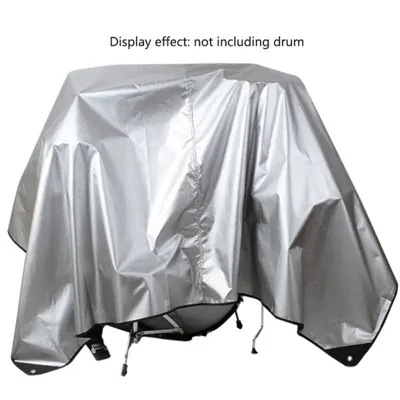
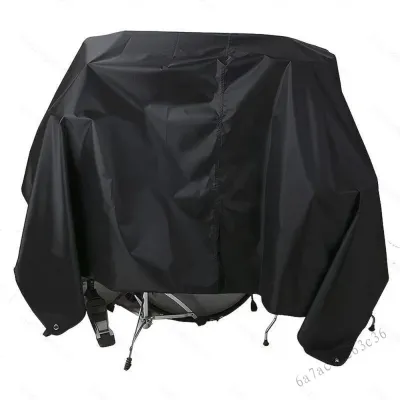
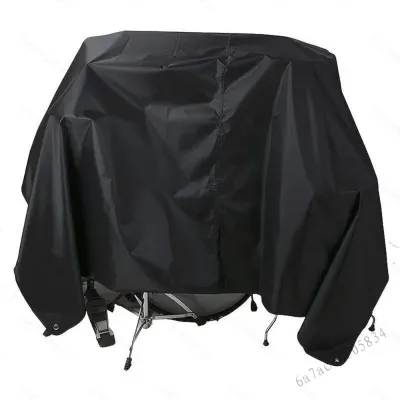
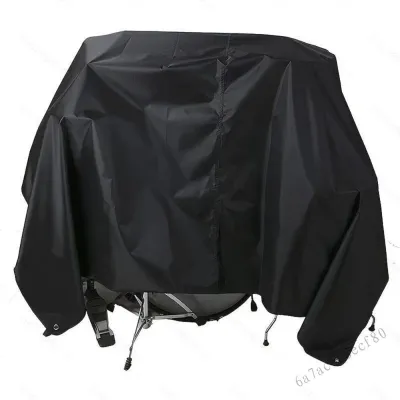
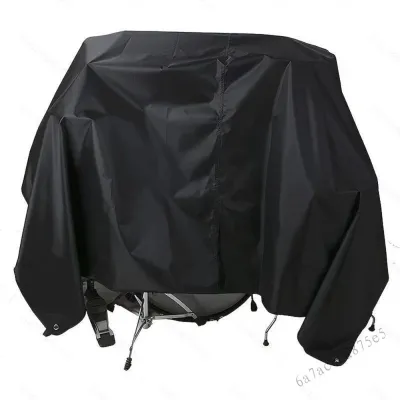
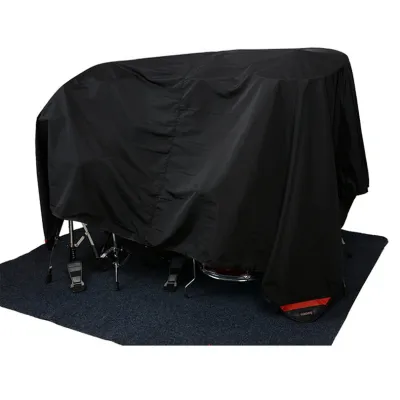
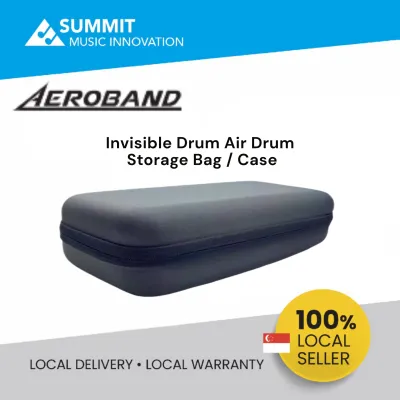
Prices are valid at publication and may change. Please refer to the product page for the latest price.
Budget allocation should align with these primary risks. Investing in a high-end, heavily padded transit bag is unnecessary if your kit never leaves the house, while relying on a basic fabric sheet for weekly gigging risks costly structural damage to your drums.
Choosing Covers for Home Storage: Dust and Moisture Control
When storing your drums at home, the main goals are keeping dust out and preventing moisture buildup. In humid environments, trapping moisture inside a non-breathable cover can lead to mold growth, rusted tension rods, and lifting shell finishes. Look for lightweight, breathable fabrics like cotton blends or specialized breathable synthetics that allow air circulation while blocking airborne dust.

Dust and pet hair can easily settle into the moving parts of your pedals, hi-hat stands, and tension rods, making regular maintenance tedious. A well-fitted, static-resistant cover keeps these particles away from your hardware lubricants.
For home use, choose materials that are easy to fold, store, and wash. Since you will be removing and replacing the cover frequently during practice sessions, a lightweight design saves time and effort.
Before purchasing, check the manufacturer labels to verify that the cover is rated for indoor use. Ensure it offers basic scratch resistance to protect the outer lacquer or wrap from accidental bumps by family members or pets.
Selecting Covers for Gigging: Impact and Transit Protection
Transporting a drum kit to rehearsals or local venues exposes it to significant physical risks. For gigging, you need padded bags or heavy-duty cases that absorb shocks from bumps, drops, and tight packing in vehicle trunks. Check the product specifications for the padding thickness and density, as thicker foam layers offer better protection against structural damage.
The exterior fabric of a transit cover must withstand rough handling. Look for high-denier nylon or polyester fabrics that resist tearing and abrasions. Reinforced stitching at stress points, heavy-duty zippers, and water-resistant exterior coatings are essential features that prolong the life of the bag.
Ergonomics and transport features make a substantial difference when moving heavy gear. Look for covers equipped with padded shoulder straps, reinforced carry handles, or integrated wheels for larger hardware bags and bass drums. Secure fastening systems, such as heavy-duty buckles or industrial hook-and-loop straps, keep the drums from shifting inside their covers.
Internal protection is just as important as the outer shell. Verify that the gig bags feature soft interior linings, such as fleece or microfiber, to prevent scratches on the drum finishes. If you are packing multiple items together, look for integrated dividers or separate compartments that keep metal hardware from rubbing against delicate wooden shells.
Picking Covers for Outdoor Gigs: Weather and UV Shielding
Outdoor performances present unique environmental challenges that standard indoor or transit covers cannot handle. If you perform at outdoor venues, community events, or open-air stages, your covers must provide robust protection against sudden rain showers and intense sunlight.
When selecting a cover for outdoor use, distinguish between standard water-resistant fabrics and fully waterproof materials. Waterproof covers often feature taped or heat-sealed seams that prevent water from seeping through the stitching during heavy downpours.
Sun exposure can cause drum wraps to warp, bubble, or fade over time. Look for covers that explicitly state UV protection or UV resistance on their product labels to shield your kit’s finish from solar damage.
Temperature fluctuations can also affect your drums, causing wood to expand or contract rapidly. Choose covers designed to reflect heat rather than absorb it, which helps prevent extreme temperature buildup inside the bag.
Always monitor local weather conditions during outdoor events. If conditions exceed the temperature or water-resistance limits specified by the manufacturer, stop using the cover and move your equipment to a sheltered, climate-controlled area.
Cross-Scenario Compatibility: Can One Cover Do It All?
Many drummers wonder if a single cover can handle both home storage and frequent travel. While a heavy-duty padded gig bag offers excellent protection during transit, using it as a permanent home storage solution has distinct trade-offs. Padded bags are bulky, heavy, and can trap moisture if left zipped up in a humid room for extended periods.
A dual-setup approach is often the most practical solution for active drummers. Use lightweight, breathable dust covers for daily home storage to keep your kit ventilated and clean, and transfer the drums to padded gig bags only when it is time to travel.
Using heavy, padded transit covers for daily home use also increases the physical effort required to set up and pack down your kit. Lightweight covers can be pulled off in seconds, making it much easier to sit down and practice spontaneously.
Verifying Sizing and Fit Before You Buy
An ill-fitting cover fails to protect your drums properly, leaving gaps where dust, moisture, or physical impacts can cause damage. To ensure a proper fit, measure the exact depth and diameter of each drum shell, including the hoops and any mounting hardware.
Do not rely solely on generic labels like “standard 5-piece kit” when purchasing covers. Drum configurations vary widely between brands and models, so matching your specific measurements against the manufacturer’s detailed sizing chart is essential.
If you plan to store your drums with mounted accessories, such as tom arms, suspension mounts, or memory locks, allow extra clearance in your measurements. Ensure the cover can close securely around these protruding parts without putting excessive tension on the zippers or seams.
Frequently Asked Questions (FAQ)
Do I need separate covers for the shells and the hardware?
Yes, keeping your delicate drum shells separate from heavy metal hardware is highly recommended. Storing or transporting metal stands, pedals, and mounts in the same bag as your drums increases the risk of deep scratches, dents, and cracked finishes. Use dedicated hardware bags with reinforced bottoms for your stands, and individual padded covers for your drum shells. Always check the manufacturer guidelines for recommended packing configurations to ensure maximum protection.
How do I clean and maintain my drum covers?
To maintain the protective qualities of your drum covers, always check the care labels for specific washing instructions and temperature limits. Most lightweight fabric covers can be hand-washed or machine-washed on a gentle cycle with mild detergent, while heavy-duty padded bags should be spot-cleaned with a damp cloth. Avoid harsh chemical cleaners or bleach, which can degrade water-resistant coatings and weaken synthetic fibers. Ensure the covers are completely dry before placing them back over your drums to avoid trapping moisture against the wood and metal.
Community discussion
Share your experience or ask a question. Comments are reviewed before publication.