
Finding the right drum rug is essential for maintaining a stable, damage-free, and comfortable playing setup. The ideal choice depends on where you play, how often you transport your kit, and the specific flooring underneath your pedals. A well-chosen drum rug prevents your bass drum and hi-hat stand from creeping forward, protects delicate floor finishes from sharp metal spurs, and can even help dampen structural vibrations in shared living spaces.
Identify Your Primary Drumming Environment
Before looking at materials or aesthetics, you must evaluate the primary space where your drum kit will reside. For many drummers, this is a stationary setup in a dedicated home studio, spare bedroom, or a shared apartment. In these residential settings, the primary concerns are protecting the floor from heavy hardware and minimizing the physical impact noise transmitted to neighbors below.
Conversely, if you are an active gigging musician, your drum rug is a mobile piece of stage gear that must travel with you to various venues. Mobile environments present unpredictable stage surfaces, ranging from slick polished concrete to worn wooden platforms. In these scenarios, portability, rapid setup times, and resistance to outdoor elements or spilled liquids become far more critical than heavy acoustic dampening.
Products mentioned in this guide
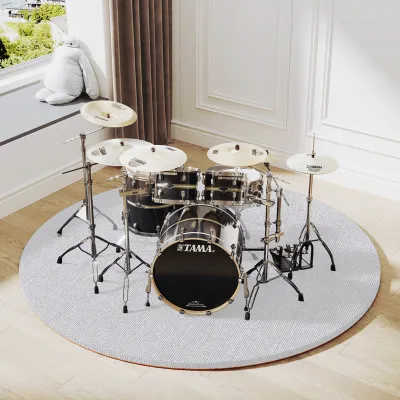
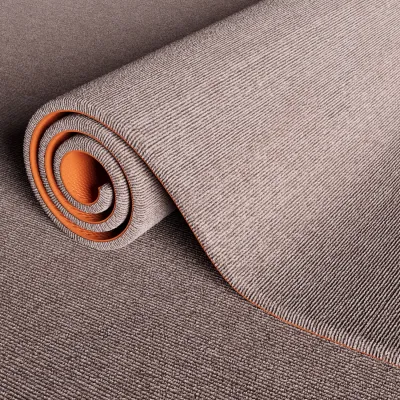
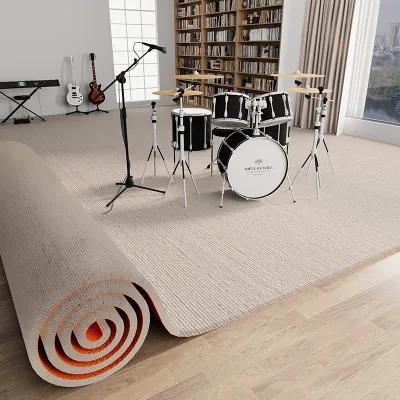
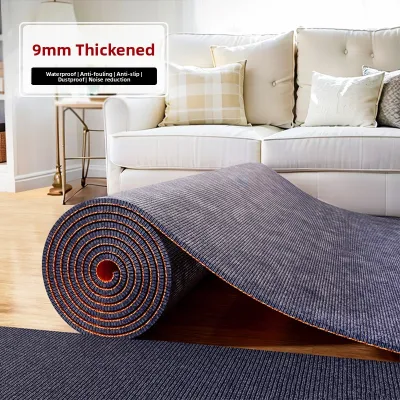
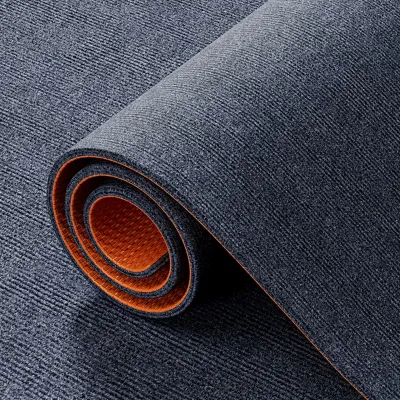
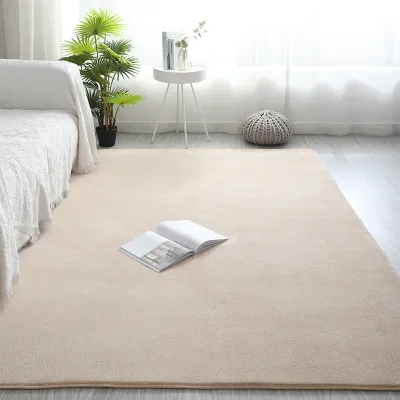
Prices are valid at publication and may change. Please refer to the product page for the latest price.
Select Rug Features for Your Playing Scenario
Choosing the right features requires balancing the physical demands of your environment with the practical limits of your gear. While a thick, plush rug offers excellent comfort and sound absorption at home, it can be incredibly cumbersome to roll up, pack into a vehicle, and clean after a dusty outdoor gig. Understanding these trade-offs allows you to select a rug that excels in your specific playing context.

Home Practice and Apartment Living
For home practice, especially in high-density residential buildings, your drum rug must serve as a protective barrier and a minor vibration buffer. When selecting a rug for this setup, check the manufacturer specifications for a dense pile and a thick, heavy-duty backing. Materials like tightly woven nylon or polyester with a thick rubberized underlayment help absorb the downward kinetic energy from your bass drum pedal and hi-hat strokes.
It is crucial to recognize the physical limits of a standard drum rug when it comes to acoustic isolation. While a thick rug can reduce high-frequency click sounds and minor structural vibrations, it cannot completely block low-frequency impact noise from traveling through the floorboards. If you live in a shared building, you should consult your building management guidelines regarding noise levels and consider pairing your rug with a dedicated acoustic isolation platform if structural vibration remains an issue.
Live Performances and Gigging
For the gigging drummer, portability and durability are the defining factors of a successful setup. Look for drum rugs made from lightweight, high-density synthetic fibers that can be folded or rolled tightly without retaining memory creases. Reinforced, weighted edges are highly beneficial, as they prevent the corners of the rug from curling up on stage, which can create a dangerous tripping hazard for you and your bandmates.
A gigging rug must also deploy quickly and grip unfamiliar stage surfaces instantly. Many performance-focused rugs feature integrated weighted blocks or built-in bass drum stops that keep your kick drum anchored without requiring deep spur penetration. Additionally, choose a material that is easy to sweep or vacuum, as stage environments frequently expose your gear to dust, dirt, and moisture.
Verify Slip Resistance and Kit Stability
The primary functional job of any drum rug is to keep your kit completely stationary while you play. To ensure this stability, you must inspect the backing material of the rug to confirm it is compatible with your specific floor type. A rubberized, non-slip backing is excellent for tile, laminate, or polished concrete floors, as it creates high friction and prevents the entire rug from sliding during intense double-bass drumming.
Equally important is the surface texture of the rug, which must provide enough grip for your pedal velcro and hardware spurs. A low-pile, tightly looped carpet surface allows the hook-and-loop fasteners on the bottom of your pedals to grab securely, while also giving bass drum spurs a firm texture to sink into. If you are placing the rug on delicate residential finishes, such as soft hardwood or custom varnished floors, stop and consult the flooring manufacturer to ensure the rug’s backing material will not cause discoloration or chemical reactions over time.
Calculate the Right Size for Your Kit Footprint
Choosing a rug that is too small is a common mistake that leads to unstable hardware and uneven playing surfaces. To determine the correct size, set up your entire drum kit on a flat surface exactly how you prefer to play. Use a tape measure to record the absolute outer limits of your setup, ensuring you include the outer edges of your cymbal stands, the rear legs of your drum throne, and any remote pedals or accessory stands.
Once you have these base measurements, add a safety margin of at least 10 to 15 centimeters on all sides. This extra space ensures that your stands do not sit precariously on the edge of the rug, which can cause them to wobble or tip over during a performance. Compare standard rectangular sizes, such as 1.5 by 1.8 meters, against extra-wide or square formats to find the closest match that fully accommodates your measured footprint.
Evaluate Cross-Scenario Versatility and Care
If you find yourself transitioning frequently between home practice and live gigs, you must decide whether a single versatile rug or two specialized rugs best suits your needs. A single, medium-weight rug with a folding design can bridge the gap, but it may compromise slightly on home dampening or stage portability. Investing in separate rugs allows you to keep a clean, heavy-duty mat permanently installed at home while keeping a lightweight, rugged option packed in your hardware case.
Proper maintenance is key to extending the lifespan of your drum rug and preserving its slip-resistant properties. Always follow the manufacturer’s care labels for cleaning spills, removing accumulated dust, and vacuuming wood shavings or stick splinters. When storing your rug, roll it tightly with the top surface facing outward to prevent the backing from cracking, and avoid placing heavy hardware on top of the rolled rug to prevent permanent creasing.
Frequently Asked Questions (FAQ)
Can a regular household carpet replace a dedicated drum rug?
While a regular household carpet or area rug can work in a temporary pinch, it generally lacks the specialized features required for long-term drum kit stability. Standard household carpets often have smooth, slippery backings that slide easily on hardwood or tile floors under the force of kick drum impacts. Furthermore, they typically lack reinforced edges and heavy-duty materials, meaning sharp bass drum spurs and pedal clamps can quickly tear through the fabric, leading to permanent damage and hardware instability.
Will a drum rug completely soundproof my apartment?
No, a drum rug will not completely soundproof your apartment, as soundproofing requires isolating both airborne noise and structural vibrations through specialized construction. A drum rug primarily provides impact absorption, which dampens the physical thud of your pedals striking the floor, but it does not stop the airborne sound of your drums from traveling through walls. To achieve comprehensive noise reduction, you must check your building’s acoustic guidelines and consider building a floating drum riser or using specialized acoustic isolation pads underneath your rug.
Community discussion
Share your experience or ask a question. Comments are reviewed before publication.