
Finding the right edition of Homer’s Odyssey in Singapore requires balancing your personal reading goals with the specific translation style, physical format, and level of academic support you prefer. Because this ancient Greek epic has been translated into English dozens of times over the centuries, the reading experience varies dramatically from one book to another. Some editions prioritize poetic rhythm and grand, archaic language, while others focus on modern, accessible prose or strict line-by-line accuracy. By evaluating these factors alongside local availability, you can select an edition that is both engaging to read and highly suited to your lifestyle.
Understanding the Main Translators and Their Styles
The choice of translator is the single most important decision when purchasing the Odyssey. Translators generally fall into two categories: those who attempt to recreate the poetic, rhythmic experience of the original Greek hexameter, and those who prioritize clear, direct prose. Poetic translations often use elevated language, vivid imagery, and structured meter to capture the musicality of the oral storytelling tradition. These versions can feel grand and theatrical, making them ideal for readers who want to experience the epic as a work of high art.
Conversely, prose or highly modern translations focus on narrative speed, clarity, and accessibility. These editions translate the ancient verse into natural-sounding English sentences, making the plot, character interactions, and historical events much easier to follow. For readers who are new to classical literature or who prefer a fast-paced adventure story, a modern prose translation can prevent the fatigue that sometimes accompanies reading dense, archaic poetry.
Products mentioned in this guide
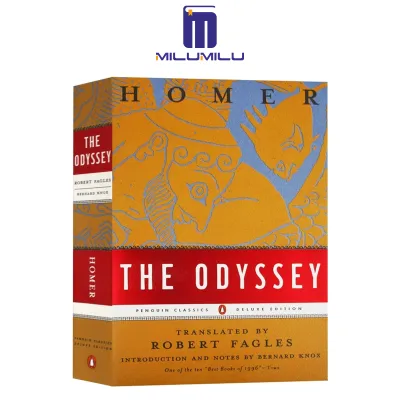
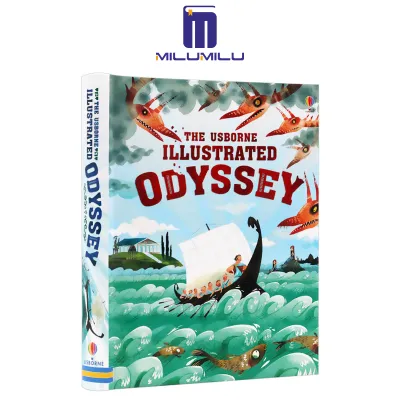
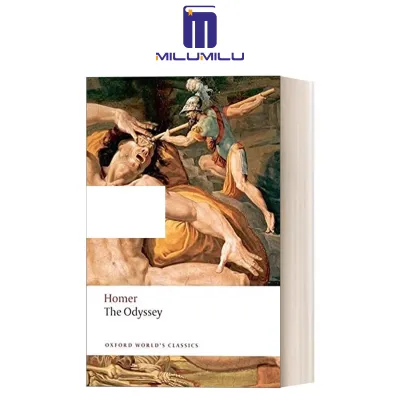
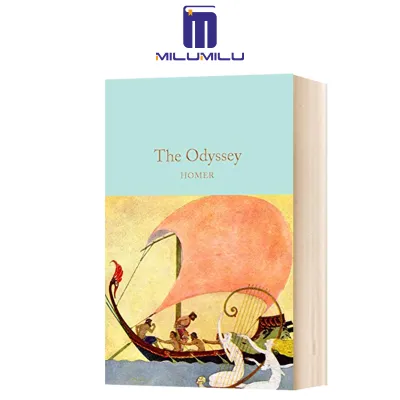
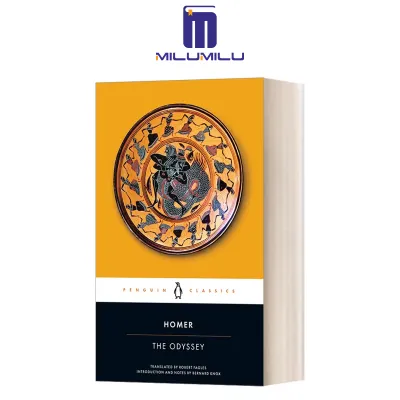
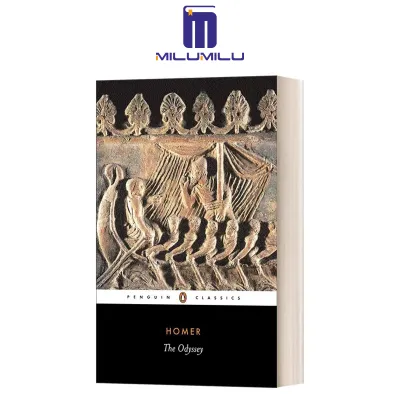
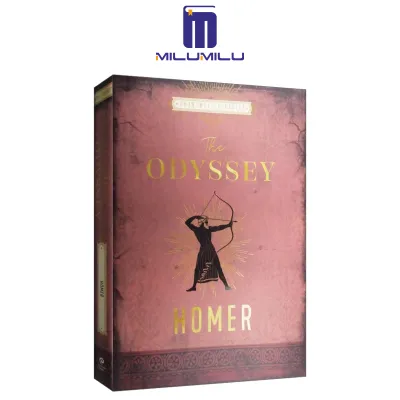
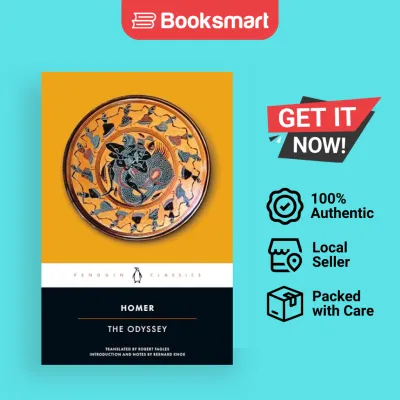
Prices are valid at publication and may change. Please refer to the product page for the latest price.
To determine which translation style aligns with your preferences, always check sample pages before making a purchase. If you are browsing in a physical bookstore in Singapore, open the book to a famous passage, such as the opening lines of Book 1 or the dramatic encounter with the Cyclops in Book 9. Read a few paragraphs to assess the readability, tone, and pacing. If you are shopping online, utilize digital preview features to read the first few pages and ensure the language feels engaging and natural to you.
It is also critical to verify the translator’s name on the cover or copyright page. Because the Odyssey is a public domain work, many publishers print budget editions that simply list “Homer” as the author without clearly identifying the translator on the front cover. This omission can lead to accidentally purchasing an outdated 19th-century translation that may feel dry or overly formal. Always look for the translator’s name—such as Robert Fagles, Emily Wilson, Richmond Lattimore, or E.V. Rieu—and confirm it matches your research before finalizing your purchase.
Choosing the Right Format and Binding
The physical or digital format of your book significantly impacts your reading comfort and how you interact with the text. Paperback editions are highly popular in Singapore due to their portability and budget-friendly nature. They are lightweight, easy to slip into a bag, and ideal for reading during daily commutes on the MRT or bus. However, paperbacks are more prone to wear and tear, and the spines can crease easily during long reading sessions.

Hardcover editions offer superior durability and aesthetic appeal, making them excellent choices for personal libraries, long-term collecting, or gifting. Many collectors prefer hardcovers because they feature sturdier bindings and higher-quality paper that resists yellowing in Singapore’s humid climate. While hardcovers are heavier, bulkier, and generally more expensive than paperbacks, they provide a more tactile and lasting reading experience.
Digital formats, including e-books and audiobooks, provide unparalleled convenience for modern readers. E-books allow you to carry the entire epic on a single lightweight device, adjust the font size to your liking, and easily search for specific terms or characters. Audiobooks are excellent for multitasking, allowing you to experience the oral tradition of the Odyssey while exercising, doing household chores, or commuting. When choosing a physical book, also inspect the page layout, font size, and paper quality. Ensure the text is not printed too close to the gutter and that the font is large enough to read comfortably without straining your eyes under various lighting conditions.
Evaluating Annotations, Introductions, and Supplementary Materials
Because the Odyssey is deeply rooted in ancient Greek history, mythology, and cultural norms, supplementary materials can greatly enhance your understanding of the narrative. Different editions offer varying levels of contextual support. Casual readers may prefer editions with minimal notes, which allow for an uninterrupted flow of the story. These editions typically feature brief footnotes explaining obscure mythological references or geographical locations without distracting from the main plot.
For students, educators, or readers seeking a deep study of the text, academic editions with extensive commentary are invaluable. These books often include comprehensive endnotes, detailed introductory essays by classical scholars, maps of Odysseus’s legendary journey, and genealogical charts of the gods and mortal characters. A well-written introduction can provide crucial historical context about the Bronze Age, the Trojan War, and the oral traditions of ancient Greece, transforming how you interpret the characters’ actions and values.
However, readers should be cautious when selecting editions labeled as “classics.” Many budget publishers print public domain translations under classic branding without including any modern scholarship, maps, or explanatory notes. These bare-bones editions can make the text difficult to navigate, especially for those unfamiliar with Greek mythology. Always check the table of contents or product description to verify that the edition includes the specific study aids, glossaries, and introductory materials you need to fully appreciate the epic.
How to Verify and Purchase Editions in Singapore
To ensure you receive the exact edition you want, always use the 13-digit International Standard Book Number (ISBN) during your search. The ISBN is a unique identifier that specifies the exact publisher, translation, format, and publication year of a book. Searching by title and author alone can return dozens of different editions, making it easy to accidentally order the wrong translation or a poorly formatted reprint. You can find the ISBN on the publisher’s website or reputable book databases and use it to search local bookstore catalogs.
When purchasing in Singapore, compare options across local physical bookstores and online marketplaces. Physical bookstores allow you to inspect the paper quality, binding, and font size firsthand, and you can often get immediate assistance from staff. If you choose to order from online marketplaces or international book retailers, pay close attention to estimated shipping times, shipping fees, and potential regional restrictions. Some editions may only be authorized for sale in specific regions, which can affect availability or digital compatibility for e-books.
Additionally, verify the publication date and the reputation of the publisher. Avoid uncredited public domain reprints, which are often produced by print-on-demand services with poor formatting, numerous typographical errors, and no editorial oversight. Reputable publishers—such as Penguin Classics, Oxford World’s Classics, Norton, or Chicago University Press—consistently produce high-quality editions with verified translations, durable bindings, and reliable supplementary materials. Checking these details ensures your investment yields a readable, durable, and enriching book.
Frequently Asked Questions (FAQ)
Do I need to read the Iliad before reading the Odyssey?
While the Odyssey is a sequel to the Iliad, you do not need to read the Iliad first to enjoy or understand it. The Iliad focuses on the tragic events of the Trojan War, whereas the Odyssey follows Odysseus’s long, adventurous journey home after the war has ended. The Odyssey contains sufficient context clues and summaries of the war’s aftermath, making it highly accessible as a standalone narrative. If you prefer a fast-paced adventure story filled with mythical monsters, folklore, and personal survival, starting with the Odyssey is an excellent choice.
Are there abridged versions or graphic novels suitable for younger readers?
Yes, there are numerous abridged versions, prose adaptations, and graphic novels designed to introduce younger readers to the Odyssey. These adaptations simplify the complex poetic language and streamline the narrative structure while retaining the core themes of adventure, loyalty, and perseverance. Graphic novels are particularly effective, as they pair dynamic visual storytelling with the epic’s most famous scenes, such as the encounter with the Cyclops or the escape from the Sirens. When selecting an adaptation for children or teenagers, check the publisher’s recommended reading age, look for illustrated previews, and review any content warnings to ensure the adaptation is appropriate for their reading level and maturity.
Community discussion
Share your experience or ask a question. Comments are reviewed before publication.