
Choosing the right EFNOTE electronic drum kit requires balancing your physical space, your current playing proficiency, and your specific performance or practice goals. EFNOTE kits generally fall into distinct categories, ranging from compact setups with slimline pads designed for tight spaces to full-scale acoustic-style kits that mimic the footprint and visual presence of traditional drums. To make the right choice, you must evaluate how much floor area you can permanently allocate, whether you require advanced multi-zone triggering for complex techniques, and what your budget allows.
Before finalizing a model choice, it is essential to check the official manufacturer specifications. This guide will help you navigate the key decision factors, from measuring your room to matching module features with your musical aspirations.
Assessing Your Space and Setup Requirements
Measuring your physical footprint is the first step in selecting an electronic drum kit. A standard electronic drum setup requires more than just the width of the rack; you must account for the kick pedal depth, the throne placement, and the outward swing of the cymbal booms. For a typical apartment or high-density housing unit, floor space is often at a premium.
Products mentioned in this guide
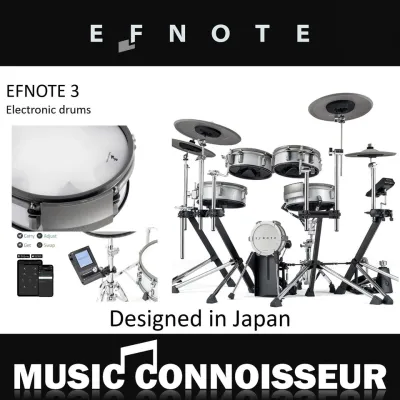
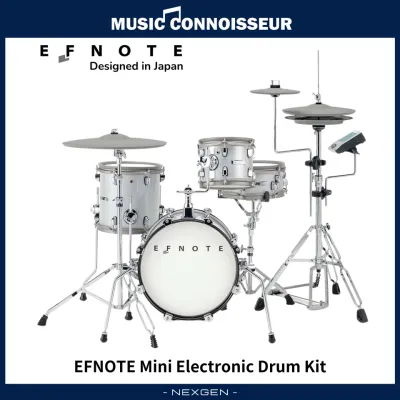
Prices are valid at publication and may change. Please refer to the product page for the latest price.
To plan effectively, measure a clear rectangular area of at least 1.5 meters by 1.5 meters for smaller configurations, and up to 1.8 meters by 1.8 meters for full-scale acoustic-style kits. Do not forget to account for your own body movements while playing, as your elbows and sticks will extend beyond the physical boundaries of the rack.
Ceiling height and seated playing posture are also critical. Ensure your ceiling height allows for comfortable overhead stick movement, especially during high crash cymbal hits or when standing up to adjust gear. A standard ceiling height is usually sufficient, but low-clearance basement spaces or loft beds require careful measurement before assembly.
Evaluating noise transmission and vibration is vital in shared living spaces. While mesh heads are quiet to the touch, the physical impact of the kick pedal and hi-hat pedal sends low-frequency vibrations directly through the floor. This structural noise can easily disturb neighbors downstairs. To mitigate this, plan for a heavy-duty drum mat or a vibration-isolation platform to absorb the impact energy.
Finally, check power outlet availability and plan your cable management. Electronic drum modules require stable power, so position your setup near a wall outlet to avoid running long extension cords across walkways. Ensure your cable routing keeps trigger cables clear of moving parts like the kick pedal link bar or the hi-hat stand pull rod to prevent wear and tear.
Matching the Kit to Your Skill Level and Goals
Your current playing experience and future goals should dictate the complexity of the kit you select. Choosing a model that matches your skill level ensures you do not overpay for features you do not need, while still leaving room for musical growth.

Beginners
For those starting their drumming journey, the focus should be on foundational skills and ease of use. Look for configurations that offer:
- Straightforward User Interfaces: Modules that allow you to plug in and play without navigating complex menus.
- Built-in Metronomes: Essential tools for developing timing and rhythm.
- Basic Coaching Functions: Onboard exercises that help you track your practice consistency.
- Compact Rack Systems: Lightweight frames that are easy to assemble and adjust in smaller rooms.
Intermediate Players
As your technique develops, you will need a kit that responds to more nuanced playing. Intermediate drummers should prioritize:
- Multi-Zone Pads: Snare and cymbal pads that support realistic rim shots, cross-sticks, and cymbal chokes.
- Customizable Kit Parameters: The ability to adjust virtual tuning, muffling, and room ambience to shape your sound.
- Expanded Connectivity: USB audio/MIDI and auxiliary inputs for playing along with backing tracks or recording your practice sessions into a computer.
Advanced Drummers
Professional players and serious students require the highest level of realism and performance. Advanced setups should feature:
- High-Resolution Trigger Modules: Processors that capture the subtle variations of your stick placement from the center to the edge of the drumhead.
- Optical Hi-Hat Controllers: Systems that accurately translate foot splashes and half-open positions.
- Extensive Input/Output Options: Individual analog outputs for multi-track live mixing and robust routing capabilities in studio environments.
Key Features to Compare Across EFNOTE Models
When comparing different models in the lineup, several hardware and software specifications deserve close inspection on the manufacturer’s spec sheet.
Pad material and feel directly impact your playing experience. EFNOTE is known for multi-layered mesh heads, which offer adjustable tension so you can match the rebound of an acoustic drum. Compare the rebound and acoustic noise of different mesh configurations, as some designs are optimized for near-silent practice while others prioritize physical feedback.
Module capabilities vary significantly across the range. Examine the technical specifications for polyphony limits to ensure rapid rolls and cymbal decays do not cut off abruptly. Look at the built-in sound library; some modules focus on a curated selection of highly detailed, multilayered acoustic samples rather than thousands of synthetic sounds. Verify the presence of modern connectivity options like Bluetooth audio for streaming play-along tracks from your phone.
Pedal and hardware quality must also be verified. Some entry-level electronic kits use floating foot controller pedals, but serious practice requires a physical hi-hat stand that accommodates a top and bottom cymbal pad assembly. Verify whether the kit package includes a dedicated hi-hat stand and a kick pedal, as these are frequently sold separately. Examine the sturdiness of the rack or the individual acoustic-style stands to ensure they can withstand heavy playing without shifting.
Where to Buy and What to Verify Before Checkout
Electronic drums are significant investments, and purchasing through the correct channels ensures a smooth ownership experience.
Always purchase from authorized local music retailers, official brand stores, or reputable online marketplaces. Avoid unauthorized third-party sellers or grey-market imports, as these may lack valid local warranties or contain regional power adapters that do not match your local electrical standards.
Before finalizing your purchase, carefully read the product description and the official manual’s packing list. Electronic drum kits are often shipped in multiple boxes, and many premium kits do not bundle a kick pedal, hi-hat stand, snare stand, drum throne, or headphones. You may need to budget separately for these essential accessories to ensure you can play the kit immediately upon delivery.
Confirm the duration and coverage of the local warranty. Electronic components like trigger sensors, LCD screens, and internal module circuitry can be costly to repair out of warranty. Understand the retailer’s return policy and verify if they offer local technical support or replacement parts should a pad or cable require service.
Frequently Asked Questions (FAQ)
Do I need a dedicated amplifier for an EFNOTE electronic drum kit?
Yes, if you want to play without headphones. For silent practice, a high-quality pair of studio monitor headphones with a flat frequency response is ideal. If you want to share your playing or jam with others, you will need an external speaker. Standard guitar or keyboard amplifiers may not handle the extreme dynamic range and low-frequency transients of a kick drum. Look for a dedicated electronic drum amplifier or a powered PA speaker designed to deliver clear highs for cymbals and deep, punchy lows for the bass drum.
Can I use my existing acoustic drum hardware with an EFNOTE kit?
In many cases, yes. EFNOTE’s acoustic-style kits are designed to mount on standard acoustic drum hardware, such as 22.2 mm diameter tom holders and standard snare stands. However, you must verify the clamp sizes and rod diameters of your existing hardware before assembly. If you are using third-party triggers or cymbals, check the module’s trigger settings and impedance compatibility, as mixing brands can sometimes result in double-triggering or limited dynamic range.
Community discussion
Share your experience or ask a question. Comments are reviewed before publication.