
Finding the right electric ukulele brand as a beginner involves looking beyond aesthetic appeal to prioritize playability, structural stability, and reliable electronics. Because a beginner’s primary goal is to build muscle memory and consistent practice habits, the ideal brand is one that delivers low string action, comfortable neck profiles, and dependable onboard components right out of the box. Rather than searching for a single universal winner, you should focus on how different brands design their entry-level instruments to handle the physical demands of learning while accommodating your specific practice environment.
Selecting an instrument with the right balance of acoustic resonance and electronic utility ensures that your practice sessions remain engaging and productive. Brands that cater specifically to beginners often design their instruments with features that simplify the learning curve, such as built-in tuners and ergonomic body shapes. By understanding the technical specifications and construction methods employed by various manufacturers, you can make an informed decision that aligns with your budget and musical goals.
What Makes an Electric Ukulele Beginner-Friendly?
When evaluating different brands, playability should be your primary consideration. Playability is determined by several physical factors, starting with the neck profile. A comfortable neck profile—typically a shallow C-shape—allows smaller hands to wrap around the fretboard without straining the wrist. If the neck is too thick or too wide, you may find it difficult to form clean chords, leading to early fatigue and frustration during long practice sessions.
Products mentioned in this guide
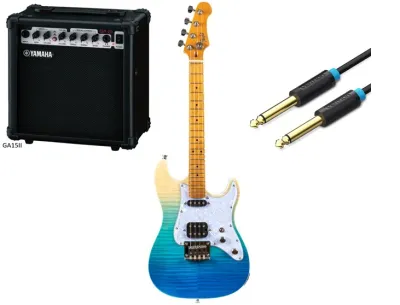
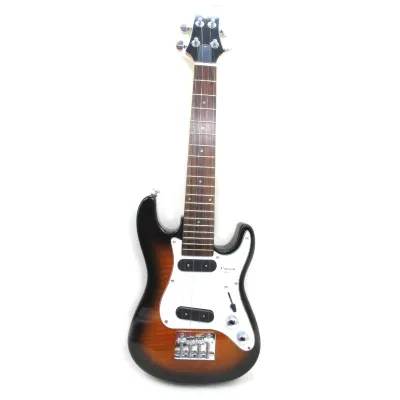

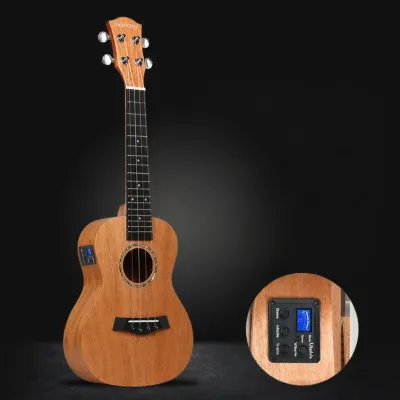
Prices are valid at publication and may change. Please refer to the product page for the latest price.
String action height, which is the distance between the strings and the fretboard, is another critical factor. High action requires more finger pressure to fret notes cleanly, which can cause significant finger pain for beginners who have not yet developed calluses. Reputable beginner-friendly brands pay close attention to factory setup, ensuring the action is low enough for comfortable pressing while remaining high enough to prevent string buzz. A slight fretboard radius, or curvature, can also enhance comfort by matching the natural curve of your fingers, though flat fretboards remain the standard for most traditional models.
Onboard electronics play a major role in simplifying your daily practice routine. Brands that integrate digital chromatic tuners directly into the preamp system offer a massive advantage for beginners. Tuning an instrument can be challenging for untrained ears, and having a built-in tuner allows you to verify your pitch instantly without needing external clip-on devices or smartphone applications. Simple preamp controls, such as straightforward volume and basic equalization (bass and treble sliders), allow you to adjust your tone quickly without getting overwhelmed by complex mixing parameters.
Physical comfort also depends heavily on weight distribution and body contouring. Electric ukuleles, particularly solid-body models, are naturally heavier than their traditional acoustic counterparts due to the density of the wood and the added weight of the metal pickups and internal wiring. Brands that design their instruments with balanced weight distribution prevent the neck from diving downward when you play standing up. Additionally, contoured body edges and armrest bevels prevent the sharp edges of the instrument from digging into your forearm, ensuring a comfortable holding position whether you are sitting on a couch or standing with a strap.
Key Features to Compare Across Brands
To make an objective comparison between different brands, you must look closely at the underlying technology and materials used in their construction. The pickup system is the heart of any electric ukulele, converting string vibrations into electrical signals. Most brands utilize either passive piezo pickups or active preamp systems. Passive piezo pickups sit beneath the saddle and do not require an internal battery; however, they produce a weaker signal that often requires an external preamplifier or a dedicated acoustic amplifier to sound full and natural. Active systems, on the other hand, include a battery-powered preamp built into the side of the ukulele, offering a stronger output signal, onboard volume controls, and tone-shaping options directly on the instrument.

Body construction is another area where brands differ significantly, and your local environment should dictate your choice. In tropical climates with high relative humidity, such as Singapore, solid wood instruments require careful monitoring and humidity control to prevent warping, cracking, or joint separation. For beginners, brands that utilize high-quality laminate woods or composite materials offer a distinct advantage. Laminate construction is highly resistant to temperature and humidity fluctuations, making the instrument incredibly durable and low-maintenance. While solid-top instruments offer greater natural resonance and a tone that matures over time, a laminate or composite body provides the structural stability and peace of mind that beginners need.
Finally, compare the practical value of the bundle inclusions offered by different brands. Many beginner packages include accessories such as gig bags, straps, extra strings, and instrument cables. However, not all bundles are created equal. A poorly padded gig bag offers little protection against accidental drops, and a cheap, unshielded instrument cable can introduce unwanted hum and static into your amplifier. Evaluate whether the brand-provided accessories are of sufficient quality to be useful, or if you will need to budget extra to purchase reliable third-party accessories separately.
How to Verify Brand Reliability and Support
Investing in an electric instrument means you must consider long-term reliability and post-purchase support. Unlike purely acoustic instruments, electric ukuleles contain wiring, solder joints, input jacks, and potentiometers that can occasionally fail. Before purchasing, verify the warranty terms offered by the brand and check if they have authorized repair centers or dedicated distributors in Singapore. A brand with a local physical presence ensures that if an electronic component fails or a structural defect arises, you can have it serviced quickly without the high cost and long wait times associated with shipping the instrument back to an overseas manufacturer.
Quality control consistency is another hallmark of a reliable brand. While budget-friendly brands offer attractive price points, their quality control can sometimes be inconsistent. To evaluate this, spend time researching verified buyer feedback on independent music forums and community groups. Look specifically for recurring complaints regarding physical defects, such as sharp fret ends that protrude from the side of the neck, loose input jacks that crackle when the cable moves, or uneven frets that cause localized buzzing. A brand with a reputation for consistent quality control minimizes the risk of receiving an instrument that requires immediate professional repair to be playable.
To protect your investment, always purchase through authorized dealers rather than unverified third-party sellers on online marketplaces. Authorized dealers guarantee that you are receiving genuine inventory rather than counterfeit products or factory seconds (instruments with cosmetic or structural defects sold at a discount). Furthermore, manufacturers typically only honor warranties for instruments purchased through their authorized retail network. Verifying the dealer’s status on the manufacturer’s official website is a quick and effective way to ensure your purchase is fully protected.
Your Pre-Purchase Checklist for Electric Ukuleles
Before finalizing your purchase, use this structured checklist to ensure the specific model and brand you have chosen align with your physical needs and technical setup:
- Select the Right Size: Ukuleles come in three primary sizes: soprano, concert, and tenor. Soprano is the smallest and traditional size, but players with larger hands often find the tight fret spacing difficult to navigate. Concert and tenor sizes offer longer scale lengths, wider fret spacing, and more room to maneuver, making them highly popular choices for adult beginners.
- Verify Output Jack Compatibility: Ensure the output jack on the ukulele matches your intended playback device. Most electric ukuleles feature a standard 1/4-inch (6.35mm) mono output jack, which connects directly to instrument amplifiers, audio interfaces, or wireless transmitters. If you plan to practice silently using standard consumer headphones, look for models that specifically include a 1/8-inch (3.5mm) headphone output jack and an internal headphone amplifier.
- Confirm Retailer Services and Return Policies: A professional setup can dramatically improve how an instrument plays. Ask the retailer if a basic inspection and setup (adjusting the string height at the nut and saddle) are included in the S$ purchase price. Additionally, clarify the retailer's return policy regarding structural defects, ensuring you have a clear path to an exchange or refund if the instrument arrives with shipping damage or electronic faults.
Frequently Asked Questions (FAQ)
Do I need an amplifier to play an electric ukulele?
Whether you need an amplifier depends entirely on the design of your electric ukulele. Acoustic-electric ukuleles feature a traditional hollow body, allowing them to produce plenty of natural volume when played unplugged; you only need to plug them into an amplifier when performing in larger spaces or recording. In contrast, solid-body electric ukuleles have no acoustic sound chamber and produce almost no sound when unplugged. To practice with a solid-body model, you will need an external instrument amplifier, an audio interface connected to a computer, or a model that features a built-in headphone jack for silent practice.
Can I use standard acoustic ukulele strings on an electric model?
Yes, standard nylon or fluorocarbon acoustic ukulele strings are fully compatible with acoustic-electric models that use under-saddle piezo pickups, as these pickups rely on physical pressure and vibration rather than magnetic fields. However, if you choose a solid-body electric ukulele equipped with magnetic pickups (similar to an electric guitar), standard nylon strings will not work because magnetic pickups require steel or magnetically active strings to generate a signal. Always check the manufacturer’s specifications for your specific model to confirm the required string material, bridge style, and nut slot widths before purchasing replacement strings.
Community discussion
Share your experience or ask a question. Comments are reviewed before publication.