
Finding the right English translation of Homer’s Odyssey in Singapore is a deeply personal decision that shapes how you experience one of the foundational epics of Western literature. Because the original poem was composed in ancient Greek hexameter verse nearly three thousand years ago, every modern English version is fundamentally an act of interpretation. Some translators prioritize the swift, novelistic drive of the narrative, while others seek to capture the formal, poetic rhythms of the oral tradition. Your choice will determine whether the epic feels like a fast-paced fantasy adventure or a grand, solemn song of survival.
To make an informed decision, you must weigh several practical and aesthetic factors. Beyond the translator’s stylistic choices, you need to consider the level of explanatory notes provided, the physical durability of the book in Singapore’s tropical climate, and the ease of sourcing specific editions locally or online. By understanding these variables, you can select a volume that matches your reading habits, whether you plan to study the text deeply at home or enjoy it during your daily commute.
Understanding Translation Styles: Prose vs. Poetry
The most significant decision you will make is choosing between a verse translation and a prose translation. Verse translations attempt to preserve the poetic essence, rhythm, and structure of the original Greek. Because Homeric epic was originally sung or recited by bards, a poetic translation captures the musicality and elevated tone of the oral tradition. Translators use various poetic forms, such as unrhymed blank verse, free verse, or even rhyming couplets, to recreate this auditory experience. Reading a verse translation allows you to appreciate the artistic craftsmanship, the recurring epic epithets, and the formal grandeur of the narrative.
Products mentioned in this guide
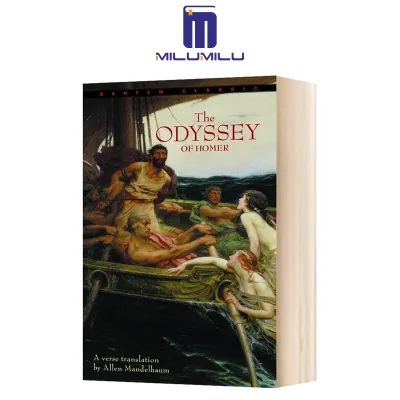
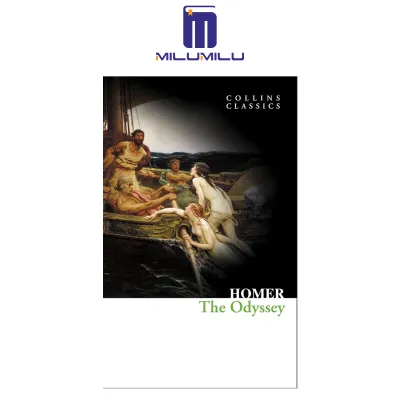
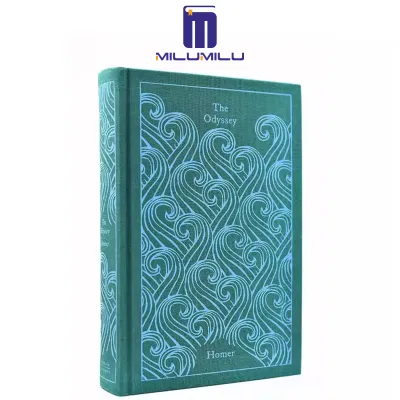
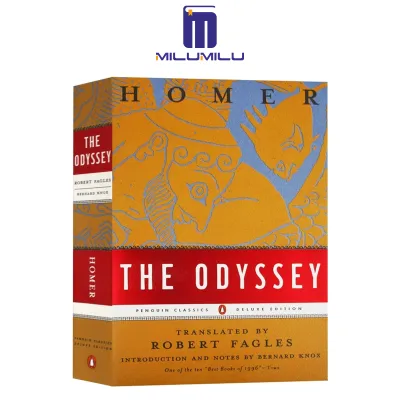
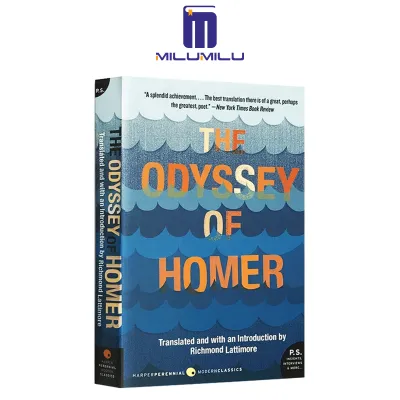
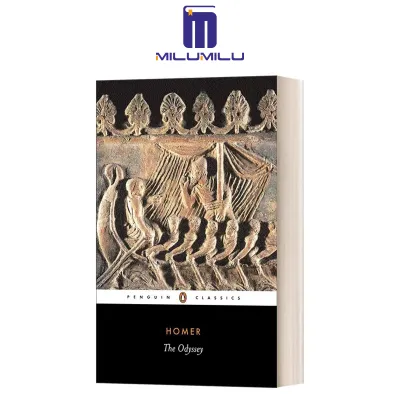
Prices are valid at publication and may change. Please refer to the product page for the latest price.
However, verse translations can sometimes feel demanding, as the poetic structure may require unusual word orders or archaic vocabulary to maintain the rhythm. If your primary goal is to follow the plot, understand character motivations, and experience the story as a continuous narrative, a prose translation may be more suitable. Prose versions strip away the line breaks and focus entirely on clarity, speed, and narrative momentum. They read much like a modern novel, making the complex structure of flashbacks, divine interventions, and long speeches highly accessible to casual readers.
To determine which style resonates with you, the most reliable method is to sample the opening lines of different editions. The very first line of the Odyssey introduces the protagonist, Odysseus, using the Greek word polytropos. Translators have rendered this single word in vastly different ways, ranging from “the man of twists and turns” and “the resourceful man” to “the man of many devices” or “the complicated man.” By comparing how different translators handle these opening lines, you can immediately gauge their vocabulary, sentence structure, and overall tone.
This exercise also highlights the inevitable trade-offs between literal accuracy and poetic flow. A highly literal translation preserves the exact syntax and word choices of the original Greek, which is invaluable for academic study but can result in stiff, unnatural English. Conversely, a poetic translation might prioritize the emotional resonance and rhythmic beauty of the English language, occasionally altering metaphors or sentence structures to achieve a more natural poetic flow. Understanding where a translation sits on this spectrum will help you align your purchase with your reading goals.
Evaluating Annotations and Supplementary Materials
Because the Odyssey is deeply rooted in the mythology, history, and social customs of ancient Greece, supplementary materials are essential for fully appreciating the text. When evaluating different editions, consider the target audience of the publication. Academic editions designed for students and scholars often include extensive introductory essays, detailed footnotes, and critical commentary. If you are reading the epic for a university module or desire a deep historical understanding, these scholarly editions are indispensable.

For casual readers, however, an overabundance of academic commentary can feel overwhelming and disrupt the reading experience. If you prefer a smoother read, look for editions that strike a balance, offering concise introductions and minimal footnotes that only explain essential cultural concepts. One critical concept to look for in the notes is xenia, the ancient Greek law of guest-friendship, which governs almost every interaction in the epic. Understanding this cultural expectation explains why Odysseus’s home is overrun by suitors and why his treatment by various hosts is so significant.
Visual aids are another crucial component of a well-rounded edition. Odysseus’s ten-year journey home from Troy is a complex geographical puzzle, spanning real and mythical locations across the Mediterranean. A clear map tracking his wanderings is incredibly helpful for keeping oriented. Additionally, family trees of the Olympian gods and the royal house of Ithaca are highly beneficial, as the relationships and rivalries among the deities directly influence the mortal characters’ fates.
Finally, check for a comprehensive glossary of names and places. Ancient Greek characters often have multiple names, patronymics (such as calling Odysseus “the son of Laertes”), or epithets (like “grey-eyed Athena”). A glossary allows you to quickly look up unfamiliar names without having to flip through the entire text or search online, keeping your reading momentum intact.
Comparing Physical Formats and Edition Quality
The physical format of the book plays a major role in your reading comfort and the longevity of the volume. In Singapore’s high relative humidity, book preservation requires careful consideration. Mass-market paperbacks are highly portable and budget-friendly, making them ideal for reading on the MRT or carrying in a backpack. However, they are typically printed on highly acidic wood-pulp paper, which can yellow, warp, and become brittle quickly when exposed to humid tropical air.
If you plan to keep the book on your shelf for years or want to make extensive margin notes, investing in a trade paperback or a hardcover edition is highly recommended. These formats are usually printed on acid-free paper, which resists yellowing and deterioration. Hardcover editions often feature sewn bindings rather than glued ones, allowing the book to lie flat on a desk without cracking the spine. This lay-flat capability is particularly useful when you are cross-referencing the text with maps or study guides.
Typography and page layout also affect readability, especially for verse translations. Poetry requires generous margins so that the long lines do not wrap awkwardly, which can disrupt the visual rhythm of the poem. Ensure the font size is comfortable for your eyes and that there is sufficient line spacing to prevent eye strain during long reading sessions.
For readers with busy lifestyles, digital formats and audiobooks offer excellent alternatives. An e-book version allows you to carry the entire epic, along with extensive annotations, on a single lightweight e-reader, which is highly convenient for daily commutes. E-readers also offer built-in dictionaries and search functions, making it easy to track recurring themes. Audiobooks, meanwhile, return the Odyssey to its original oral medium. Listening to a professional narration can bring the dramatic speeches and poetic rhythms to life, making the epic highly engaging during workouts or household chores.
Finding and Purchasing Specific Editions in Singapore
Once you have identified your preferred translation and format, the next step is locating and purchasing the book in Singapore. Visiting local brick-and-mortar bookstores is an excellent way to browse classical literature sections. Major bookstores in shopping districts like Orchard Road or Bugis, as well as independent bookshops in the city center, often carry a selection of popular translations. Physical browsing allows you to feel the paper quality, check the font size, and read the introduction before making a purchase.
If the specific translation you want is not on the shelves, do not hesitate to ask the bookstore staff about special order services. Many local booksellers can order specific editions directly from international distributors, though this may take several weeks. When making a request, or when searching online, always use the 13-digit ISBN (International Standard Book Number) rather than just the title and translator. Because the Odyssey is in the public domain, there are hundreds of editions available, and using the ISBN is the only way to guarantee you receive the exact translation, publisher, and format you want.
Online marketplaces and international book retailers offer another convenient route for sourcing specific translations. When shopping online, compare the total cost in S$, keeping a close eye on shipping fees and delivery times. Some platforms offer free shipping to Singapore if you meet a minimum spend, which can make purchasing multiple books or a high-quality hardcover edition more cost-effective.
When ordering online, it is also wise to read seller reviews regarding packaging quality. Books shipped internationally can easily suffer bent corners or spine damage if they are not packaged securely. Given Singapore’s tropical weather, ensuring the package is water-resistant is also beneficial to protect the paper from moisture during transit. Always check the platform’s return policy in case the book arrives damaged or if the wrong edition is sent.
Frequently Asked Questions (FAQ)
Do I need to read the Iliad before reading the Odyssey?
No, you do not need to read the Iliad before reading the Odyssey. While the Odyssey is chronologically set after the events of the Trojan War, it is a completely self-contained narrative with a very different tone, structure, and theme. The Iliad is a tragic, intense war epic focused on military glory and the devastating consequences of wrath, whereas the Odyssey is a fantastical adventure story centered on homecoming, cunning, and family survival. The Odyssey provides all the necessary backstory about the fall of Troy and the fates of the Greek heroes within its own pages, allowing you to enjoy it fully as a standalone work.
Are bilingual or dual-language editions worth buying?
Bilingual editions, which feature the original ancient Greek text on one page and the English translation on the facing page, are highly specialized volumes. They are incredibly valuable for students of classical languages, researchers, or readers who want to compare the English translation directly with Homer’s original vocabulary. However, for the general reader, these editions are rarely practical. They tend to be much bulkier, more expensive, and printed in smaller fonts to fit both languages on facing pages, which can make for a less comfortable reading experience during casual sessions.
Community discussion
Share your experience or ask a question. Comments are reviewed before publication.