
Finding the right guitar pick is one of the most impactful decisions you can make when starting your musical journey. As a beginner, this small tool is not just an accessory; it is the direct physical bridge between your hand and the strings, shaping every note you produce. The ideal pick balances comfort, grip stability, and flexibility, allowing you to practice for hours without hand fatigue while developing a clean, consistent tone.
While there is no single pick that suits everyone, most beginners find success starting with a medium-thickness, standard-shaped nylon or celluloid pick. This combination offers enough flexibility for smooth strumming while remaining rigid enough to help you learn single-note riffs. Finding your personal preference is an iterative process of experimentation, and understanding how thickness, shape, and material interact will guide you to the perfect choice.
Why the Right Guitar Pick Matters for Beginners
When you first pick up a guitar, your focus is naturally on finger placement, chord shapes, and rhythm. However, the way you strike the strings dictates the clarity, volume, and overall character of your music. The guitar pick acts as an extension of your fingers, directly controlling the attack, articulation, and dynamic range of your instrument. Using an unsuitable pick can lead to unnecessary frustration and slow your progress.
Products mentioned in this guide

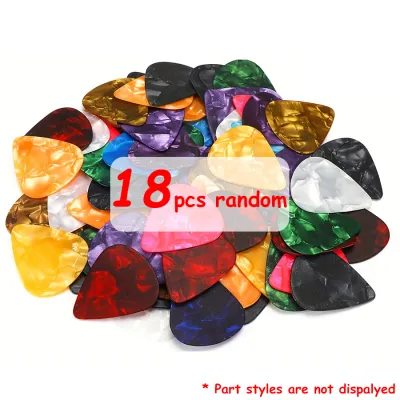

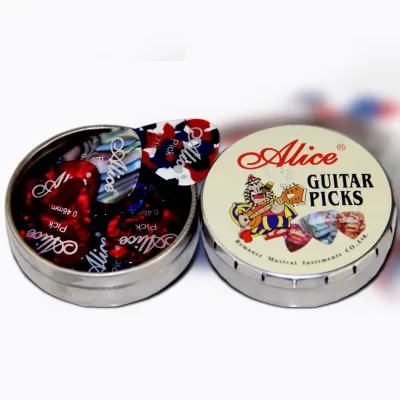

![Jim Dunlop Standard TORTEX Black Guitar pick Authentic [SG Distributor] Made in USA](https://img.lazcdn.com/g/p/7c76c38a23d651e28301230c307f3d5b.jpg_400x400q80.jpg_.webp)
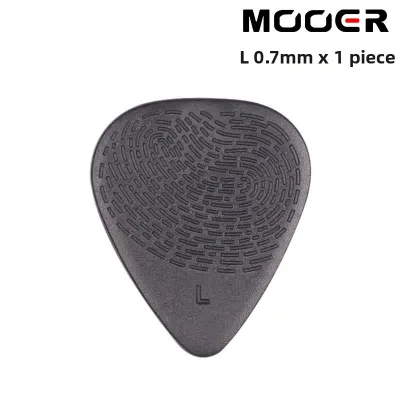

Prices are valid at publication and may change. Please refer to the product page for the latest price.
If your pick is too stiff, it may constantly catch on the strings, causing you to drop it or struggle with smooth strumming. Conversely, a pick that is too flimsy will fail to produce clear, distinct notes when you try to play basic melodies or scales. Overcompensating for an unsuitable tool often leads to gripping it too tightly, which causes hand fatigue, wrist tension, and potential long-term muscle strain.
Recognizing that pick selection is a personal journey is essential. What works perfectly for an experienced lead guitarist playing fast solos will likely feel incredibly awkward to a beginner practicing acoustic folk chords. By understanding the core characteristics of different picks, you can systematically narrow down your choices and find a tool that supports, rather than hinders, your development.
Selecting a Guitar Pick: Finding the Perfect Thickness for Your Style
The thickness of a guitar pick is measured in millimeters (mm) and is the most critical factor influencing how the pick feels against the strings. Pick thickness directly dictates flexibility, volume, and control. Most manufacturers categorize their picks into four broad ranges: thin, medium, thick, and extra thick.

Thin and Extra Thin (Typically Under 0.60mm)
Thin picks are highly flexible and bend easily when they strike a string. This high level of flexibility produces a bright, snappy, and light tone, making them incredibly popular for acoustic guitar strumming. Because they glide effortlessly over the strings without catching, they are very forgiving for beginners who are still mastering their strumming motion. However, this flexibility means thin picks offer very little physical resistance, making them feel flimsy and imprecise when you attempt to play single notes, solos, or fast riffs.
Medium (0.60mm to 0.80mm)
Medium picks represent the sweet spot for the vast majority of beginners. They offer a balanced combination of flexibility and stiffness, providing enough give for smooth rhythm strumming while maintaining enough rigidity for clear note articulation. If you are practicing a mix of open chords and basic scale patterns, a medium pick allows you to transition between both styles seamlessly. This versatility makes it the most practical starting point for developing fundamental techniques.
Thick and Extra Thick (0.80mm and Above)
Thick picks are rigid and offer virtually no bend when striking the strings. This stiffness transfers the maximum amount of energy from your hand to the strings, resulting in a warmer, darker, and much louder tone. Experienced players favor thick picks because they provide unmatched precision and control for lead playing, rapid alternate picking, and heavy styles. For beginners, however, the lack of flexibility can feel unforgiving, requiring precise wrist angles and relaxed hand muscles to avoid a harsh, clunky sound.
The Ideal Starting Point for New Players
If you are unsure where to begin, start with a pick in the 0.60mm to 0.73mm range. This specific thickness window provides enough feedback to help you feel the strings without being so stiff that it punishes minor mistakes in your wrist movement. As your hand strength and accuracy improve, you can easily transition to thicker or thinner options based on the specific genres of music you prefer to play.
Finding the Right Pick Shape and Size for Your Grip
While thickness dictates flexibility, the shape and size of a guitar pick determine how securely it sits in your hand and how it interacts with the strings. Picks come in a surprising variety of geometries, each tailored to specific ergonomic needs and playing styles.
Standard Shape (351)
The classic teardrop shape, often referred to by the industry standard number “351,” is the most widely used pick shape in the world. It features a wide, rounded top section that provides ample surface area for your thumb and index finger to grip, tapering down to a moderately pointed tip. This balanced design makes it the default recommendation for beginners, as it naturally fits most hand sizes and accommodates a wide variety of playing styles.
Jazz and Teardrop Shapes
Jazz picks are significantly smaller than standard picks and feature a much sharper tip. This compact size brings your fingers closer to the strings, which minimizes the physical distance your hand has to travel and enhances precision. While highly favored by advanced players for fast, intricate lead work, the small surface area can make them difficult for beginners to hold securely, often leading to the pick slipping or rotating during broad strumming patterns.
Tip Sharpness and Its Tonal Impact
The sharpness of the pick’s tip has a profound effect on your overall sound and physical feel.
- Pointed Tips: These deliver a sharp, articulate attack with clear note definition, making them excellent for precise picking and fast note transitions.
- Rounded Tips: These glide smoothly across the strings with minimal friction, producing a warmer, softer, and more blended tone that is ideal for gentle strumming and jazz-influenced styles.
Specialty Shapes and Grips
If you find standard picks slipping out of your fingers, you might want to explore specialty shapes. Large triangle picks offer three identical corners, meaning you can rotate the pick as it wears down, and their larger surface area is easier for some players to grip. Additionally, many picks feature molded ridges, raised logos, or rubberized textures specifically designed to prevent slippage during long, sweaty practice sessions.
Comparing Common Guitar Pick Materials and Tones
The material from which a pick is made affects its durability, texture, flexibility, and the acoustic tone it coaxes from your guitar. Modern manufacturing utilizes a wide range of plastics and synthetics, each with distinct physical properties.
Celluloid
Celluloid is the classic, traditional pick material that has been used for decades. It is designed to mimic the feel and tone of natural tortoise shell. Celluloid picks offer a smooth, polished feel and produce a very balanced, bright tone with a crisp attack. The primary drawback for beginners is that celluloid can become quite slippery when your hands sweat, and they tend to wear down or chip faster than modern synthetic alternatives.
Nylon
Nylon is a highly flexible, durable material that is exceptionally forgiving for beginners. Because nylon is naturally soft, manufacturers almost always add a molded, textured grip to the surface to prevent the pick from slipping. Nylon picks produce a warmer, softer attack with less “click” sound against the strings compared to celluloid. If you are focusing heavily on acoustic strumming or have hands that sweat easily, a textured nylon pick is an outstanding choice.
Delrin and Acetal
Delrin is a modern synthetic material known for its high durability and matte, powdery texture. This matte finish provides an excellent, natural grip without requiring heavy molded ridges. Delrin picks offer a very balanced, articulate tone and wear down incredibly slowly, making them highly reliable for daily practice. They provide a slightly stiffer feel than nylon at equivalent thicknesses.
Ultem and Polycarbonate
Ultem is a high-grade industrial plastic that closely replicates the tone of natural bone or horn. It is extremely stiff, lightweight, and wear-resistant. Ultem picks produce a very bright, clear, and aggressive sound with a pronounced attack. While they are highly durable, their rigidity means that even thinner Ultem picks can feel stiffer than their celluloid or nylon counterparts, which might feel slightly less forgiving to an absolute beginner.
A Note on Natural Materials
You will occasionally encounter picks made from wood, stone, metal, bone, or leather. While these natural materials offer unique aesthetics and highly specialized tones, they are generally not recommended for beginners. Metal and stone picks are completely rigid and can quickly wear down or damage your guitar’s strings, frets, and pickguard if your technique is unrefined. Leather and wood picks offer extremely soft attacks but lack the versatility needed to learn standard foundational techniques.
Matching Your Pick to Your Playing Style and Guitar
To narrow down your choices, it is helpful to align your pick selection with the specific type of guitar you own and the style of music you want to play. Different musical contexts demand different physical responses from your pick.
Rhythm and Strumming
If your primary goal is to sing along while strumming chords on an acoustic guitar, your focus should be on smooth, fluid movement. A thinner, more flexible pick (between 0.50mm and 0.60mm) with a rounded tip is ideal here. The flexibility allows the pick to glide over the strings without snagging, which reduces tension in your wrist and produces a pleasant, balanced strumming sound.
Lead and Single-Note Picking
If you are focusing on learning guitar solos, scales, or heavy riffs on an electric guitar, you need immediate physical feedback and precise control. A thicker, stiffer pick (0.80mm to 1.14mm) with a pointed tip is much better suited for this style. The rigidity ensures that the moment you move your hand, the string vibrates, allowing for rapid alternate picking and clear, articulate note definition.
Acoustic vs. Electric Considerations
Acoustic guitars rely entirely on the physical vibration of the strings to project sound through the wooden body. A slightly thinner, brighter pick can help project that natural resonance without overpowering the instrument’s tone. Electric guitars, on the other hand, rely on magnetic pickups to capture string vibrations. Because the amplifier handles the volume, electric players can use much thicker picks to achieve precise control and a warmer, fuller tone without needing to strike the strings excessively hard.
Hybrid Picking Accommodations
As you progress, you may want to explore hybrid picking—a technique where you hold a pick between your thumb and index finger while using your remaining fingers to pluck other strings. A medium-thickness, standard-shaped pick is the perfect bridge for this style. It provides enough stability to be held securely while leaving your other fingers free to move naturally.
Step-by-Step Guide to Testing and Choosing Your Pick
Because picks are highly affordable, finding the right one is an easy and low-risk process. Follow this simple guide to test different options and discover what works best for your hands and instrument.
Step 1: Start with a Variety Pack
Instead of buying a large pack of a single pick type, purchase a beginner variety pack. These packs are widely available at music stores in Singapore and online marketplaces, typically costing between S$5 and S$15. A good variety pack will include several different thicknesses, shapes, and materials, giving you a broad spectrum of options to compare side-by-side.
Step 2: The Grip Test
Hold a pick between your thumb and the side of your index finger. Close your eyes and feel the texture. Does it feel slippery, or does the material offer natural traction? Simulate a rapid strumming motion in the air. If the pick feels like it wants to spin or fly out of your fingers, try a different material like textured nylon or matte Delrin.
Step 3: The Strumming Test
Tune your guitar and play a simple, continuous strumming pattern over an open chord. Pay attention to how the pick interacts with the strings. Does it glide smoothly, or does it feel like it is catching and pulling on the strings? If it catches, try a thinner pick or one with more rounded edges.
Step 4: The Single-Note Test
Play a simple scale or a basic single-note riff. Focus on the volume, clarity, and speed of your notes. If the notes sound weak or lag behind your hand movement, the pick is likely too thin and flexible. Switch to a slightly thicker option to see if your control improves.
Common Beginner Mistakes
The most common mistake new players make is gripping the pick with excessive force to prevent it from slipping. This tension quickly travels up your arm, leading to wrist pain and stiff playing. If your pick is slipping, change the material or shape rather than squeezing harder. Additionally, avoid using an extremely thick, rigid pick for heavy acoustic strumming, as this can easily lead to broken strings and wrist strain.
Frequently Asked Questions (FAQ)
How often should I replace my guitar pick?
You should replace your guitar pick as soon as you notice visible signs of wear, such as rounded edges on a pointed tip, deep grooves worn into the sides, or a frayed edge. A worn pick changes your guitar’s tone, often making it sound dull, and causes the pick to catch awkwardly on the strings. Softer materials like celluloid and thin nylon wear down quickly and may need replacement after a few weeks of heavy practice, while durable materials like Delrin and Ultem can last for months.
Can I use a coin or other household items as a guitar pick?
It is highly recommended to avoid using coins, keys, or other rigid household items as improvised picks. Metal coins have no flexibility and have sharp, hard edges that will rapidly scratch your guitar’s finish, damage the pickguard, and wear down your metal frets and strings. Coins also produce a harsh, scraping, overly metallic sound that lacks musical warmth. In an absolute emergency, a temporary pick cut from an old plastic gift card or credit card is a much safer alternative that will not damage your instrument.
Community discussion
Share your experience or ask a question. Comments are reviewed before publication.