
Choosing the right guitar pick as a beginner is one of the simplest yet most impactful decisions you can make when starting your musical journey. The pick serves as the direct interface between your hand and the strings, meaning its physical properties directly shape both your playing comfort and your instrument’s tone. For most beginners, starting with a medium-thickness pick (ranging from 0.60 mm to 0.80 mm) with a standard teardrop shape provides the ideal balance of flexibility for strumming and rigidity for single notes. From this baseline, you can easily adjust your choice as you discover your personal playing style and physical preferences.
As you progress, you will quickly realize that no single pick is universally ideal for every player or every genre. Your choice will naturally evolve alongside your hand strength, your preferred musical styles, and the specific type of guitar you play. By understanding how thickness, shape, and material interact, you can avoid common frustrations like dropped picks, hand fatigue, and muddy tone, allowing you to focus entirely on developing proper fretting and picking techniques.
Diagnose Your Playing Style and Technique Needs
Before browsing through the vast arrays of picks at a music store or online marketplace, take a moment to analyze what and how you are playing. If your primary focus is strumming open chords to accompany singing, your physical needs will differ significantly from someone focusing on fast, single-note blues licks or heavy metal riffs. Strumming requires a pick that can glide effortlessly across all six strings without catching or pulling your hand out of rhythm. Conversely, lead playing demands a pick that responds instantly to your hand’s movements, translating every subtle wrist flick into a clean, articulate note.
Products mentioned in this guide

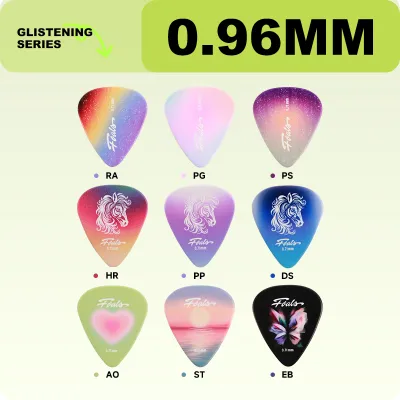
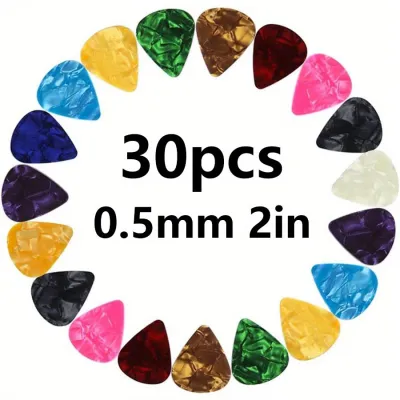
Prices are valid at publication and may change. Please refer to the product page for the latest price.
The type of guitar you use also dictates your pick requirements. Acoustic guitars generally utilize heavier string gauges to project sound naturally through the wooden body. To vibrate these thicker strings effectively, you may need a slightly sturdier pick. Electric guitars, on the other hand, often feature lighter, highly sensitive strings. A heavy, rigid pick used with an aggressive hand on an electric guitar can easily cause tuning instability or harsh, unwanted transients unless you have developed precise control over your dynamics.
Finally, pay attention to your physical grip and hand comfort. Many beginners struggle with holding the pick too tightly, which leads to muscle tension in the forearm and wrist. Others hold it too loosely, causing the pick to rotate or fly out of their fingers mid-song. Recognizing these early challenges will guide you toward specific shapes and textures designed to enhance grip security, helping you build a relaxed, efficient hand posture from day one.
Evaluate Pick Thickness for Control and Tone
Pick thickness, measured in millimeters, is the most critical variable affecting your playing experience. Thin picks, typically categorized as anything under 0.60 mm, are highly flexible and forgiving. When you strum a chord with a thin pick, the plastic bends easily over the strings, smoothing out uneven hand movements and producing a bright, crisp, and percussive sound. This makes them incredibly popular for acoustic rhythm playing, though they lack the rigidity needed for fast, precise single-note runs, where the flex can cause a noticeable delay in note initiation.

Medium picks, ranging from 0.60 mm to 0.80 mm, represent the ultimate middle ground for learners. They offer a balanced blend of flexibility and stiffness, allowing you to transition seamlessly from strumming folk chords to picking out individual notes in a guitar solo. The tone produced by a medium pick is balanced, offering a pleasing mix of bright high-end attack and warm midrange body. If you are unsure where to start, a medium pick is almost always the safest and most educational baseline.
Thick picks, which generally measure 0.80 mm to 1.20 mm or more, are completely rigid. Because they do not bend when striking a string, they transfer the full energy of your hand movement directly into the instrument. This results in a much warmer, fuller, and louder tone with excellent bass response. Thick picks are highly favored by jazz, rock, and metal players who require absolute precision and speed for single-note lines. However, beginners may find them difficult to control initially, as any excess tension in the hand will cause the pick to snag on the strings.
To evaluate thickness when shopping, you can perform a simple physical test. Hold the pick between your thumb and index finger and try to bend the tip with your other hand. If it bends with minimal effort, it is a thin pick; if it resists but yields slightly, it is a medium; if it remains completely rigid, it is a thick pick. Additionally, observe the edge of the pick. Some thick picks feature a beveled edge, which helps the rigid plastic glide over the strings more smoothly, reducing the resistance that beginners often find intimidating.
Compare Pick Shapes and Sizes for Grip and Precision
The physical silhouette of a pick determines how much surface area you have to hold and how close your fingers sit to the strings. The standard shape, often referred to as the 351 shape, is the most widely manufactured design in the world. Its classic teardrop profile features a wide, rounded top for your thumb and index finger to grip, tapering down to a moderately pointed tip. This shape is highly versatile and comfortable for almost all hand sizes, making it the default recommendation for anyone starting out.
If you find the standard shape too cumbersome, you might explore smaller profiles, such as jazz-style picks. These picks are significantly smaller and often feature a much sharper tip. By reducing the distance between your fingers and the strings, jazz picks offer unparalleled precision and speed, making them a favorite for intricate lead work. However, their small surface area leaves very little room for error, and beginners may find them prone to slipping or rotating out of alignment during basic strumming exercises.
On the opposite end of the spectrum are oversized or triangle-shaped picks. These models provide a massive gripping surface, which is highly beneficial for players with larger hands, limited joint mobility, or persistent grip issues. A unique advantage of the equilateral triangle pick is that all three corners are identical; if the pick rotates in your hand while you are playing, you will always have a usable point ready to strike the strings, extending the life of the pick and reducing performance anxiety.
Regardless of the overall shape, pay close attention to the sharpness of the pick’s tip. A rounded tip produces a softer, warmer, and more diffuse attack, which can help blend chords together beautifully. A sharp, pointed tip provides a clean, immediate release from the string, resulting in a bright, highly articulate sound. As a beginner, experimenting with both rounded and pointed tips will help you discover how subtle physical changes alter your overall tone and playing feel.
Understand Material Choices and Surface Texture
The material from which a pick is molded dictates its durability, flexibility, and tactile grip. Celluloid is one of the oldest synthetic materials used in pick manufacturing and remains highly popular today. It offers a smooth, polished feel and a very bright, traditional tone that closely mimics natural tortoise shell. While celluloid picks are highly responsive and aesthetically pleasing with their classic pearloid patterns, they tend to wear down faster than modern plastics, developing rough edges or even snapping under heavy use.
Nylon is another incredibly common material, known for its extreme durability and high flexibility in thin gauges. Raw nylon is naturally slick, so manufacturers almost always mold these picks with raised lettering, cross-hatched textures, or rubberized grip zones. This makes nylon picks an exceptional choice for beginners who struggle with sweaty hands or find smooth picks constantly slipping out of their grasp. The tone of a nylon pick is generally warmer and softer on the attack compared to celluloid.
Delrin, often marketed under proprietary names like Tortex or Gator Grip, is a highly durable acetal polymer designed to offer a matte, powdery texture. This material provides an excellent natural grip even without raised textures, as the matte surface resists moisture. Delrin picks wear down very slowly and evenly, maintaining their tip shape over long periods of practice. Tonally, they offer a very balanced, punchy attack that works well across both acoustic and electric guitars.
When selecting a pick, do not rely solely on visual appearance, as many modern synthetic picks are colored or finished to look like traditional materials. Always check the manufacturer’s packaging or product specifications to confirm the exact material and texture. If you find yourself constantly adjusting your grip during practice, prioritize picks with molded-in physical textures or matte finishes, as these will help you maintain a relaxed hand posture without needing to squeeze the pick excessively.
Build Your Beginner Pick Selection Strategy
Because guitar picks are highly affordable—typically costing less than S$2 to S$3 individually, or under S$15 for a multi-pack—the best strategy for a beginner is to avoid committing to a single style too quickly. Instead, visit a local music store or browse an online marketplace to purchase a variety pack. Look for assortments that include a mix of thin, medium, and thick gauges, as well as different materials like nylon, celluloid, and matte-finished polymers. This small investment provides you with a complete toolkit for hands-on experimentation.
Once you have your variety pack, establish a simple A/B testing routine at home. Sit down with your guitar and play the exact same simple chord progression or scale using three different picks in succession. Pay close attention to how each pick feels in your hand: Does it slip? Does it feel too stiff or too floppy? Listen carefully to the sound: Is one pick noticeably brighter, clickier, or warmer than the others? Write down your observations or simply set aside the two or three picks that feel the most natural and inspiring to play.
Keep in mind that your pick preference is not permanent. As your finger strength improves, your strumming wrist relaxes, and you begin tackling more complex techniques, you should periodically reassess your choice. A thin pick that felt perfect for basic strumming during your first week may start to feel limiting when you attempt to play faster single-note lines. By keeping a small collection of various picks in your guitar case, you will always have the right tool ready as your skills and musical tastes evolve.
Frequently Asked Questions (FAQ)
Does the guitar pick affect the tone of my acoustic guitar?
Yes, the pick is one of the most influential factors shaping your acoustic guitar’s natural voice. Thin picks emphasize high frequencies and produce a distinct, percussive clicking sound as they glide over the strings, which is highly suited for airy, acoustic rhythm playing. Thick picks drive the guitar’s wooden top much harder, resulting in a deeper, warmer, and significantly louder tone with enhanced bass response. When shopping, check the manufacturer’s descriptions for specific tonal characteristics to match your acoustic goals.
How often should a beginner replace their guitar pick?
You should replace your guitar pick as soon as you observe physical signs of wear and tear. Inspect the edges regularly for rough grooves, frayed plastic, or a noticeably rounded or blunted tip. Playing with a worn pick can cause it to catch on the strings, disrupting your rhythm and potentially scratching your instrument’s finish. Depending on your practice frequency and the pick’s material—nylon and Delrin generally last much longer than celluloid—a single pick can last anywhere from a few weeks to several months of daily use.
Community discussion
Share your experience or ask a question. Comments are reviewed before publication.