
Securing your guitar during a performance or practice session is one of the most straightforward ways to protect your instrument from catastrophic physical damage. A sudden strap slip can result in a fractured headstock, a cracked neck joint, or severe finish chips, often leading to costly professional repairs. Choosing the right guitar strap lock system is a balance of physical compatibility, instrument weight, and your willingness to modify your guitar’s factory hardware.
Choose Button-Replacement Systems if:
- You play a heavy solid-body electric guitar or bass.
- You perform energetic live shows with frequent movement.
- You want the highest level of mechanical security and do not mind making a semi-permanent hardware modification.
Choose Strap-Button Add-Ons (Washers/Clips) if:
Products mentioned in this guide
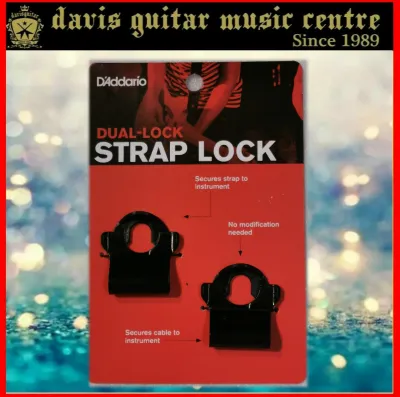
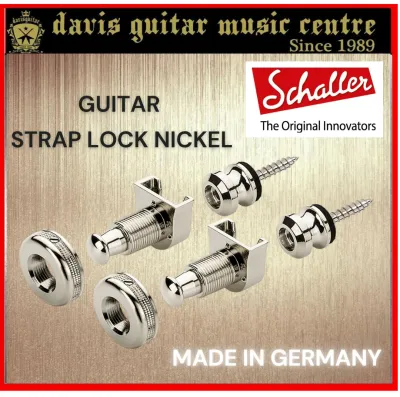
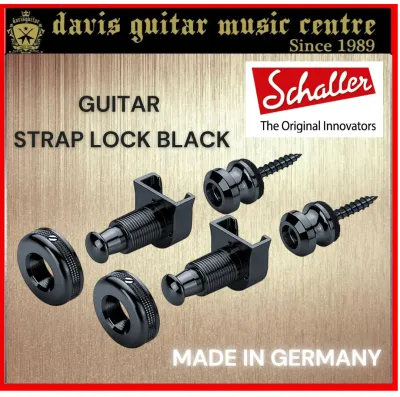

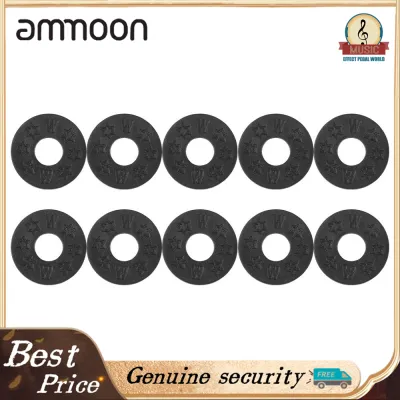
![[SG 🚚] 1Pc Folk Guitar Strap Buckle Leather Belt Guitar Neck Strap Safe Lock Holder For Ukulele Classic Bass Guitar Parts](https://img.lazcdn.com/g/p/858ffb21e5154bf7bfa3720721f21ad3.jpg_400x400q80.jpg_.webp)
Prices are valid at publication and may change. Please refer to the product page for the latest price.
- You are on a budget and want a non-permanent solution.
- You play a lighter electric or acoustic guitar where heavy-duty metal hardware is unnecessary.
- You want to keep your instrument entirely original without unscrewing factory hardware.
Choose Quick-Release Systems if:
- You routinely use a single, high-quality strap across multiple instruments.
- You want to avoid replacing the factory strap buttons on every guitar you own.
- You prefer a system that integrates the locking mechanism directly into the strap itself.
Before purchasing any strap lock system, verifying the physical dimensions of your current strap buttons and screws is a mandatory first step. Even the most highly rated locking system will fail to protect your instrument if the mounting screws do not match the existing pilot holes in your guitar’s wood.
Comparing the Main Types of Guitar Strap Locks
To find the ideal setup, you must understand the mechanical differences between the primary styles of strap locks available on the market. These systems generally fall into three categories: button-replacement systems, strap-button add-ons, and quick-release clip systems. Each category offers a distinct trade-off between security level, installation permanence, and cross-guitar compatibility.
While some players prioritize absolute mechanical locking strength, others prefer a low-profile solution that preserves the guitar’s aesthetic. Evaluating these options requires looking closely at how they attach to both the strap and the guitar body.
Button-Replacement Systems
Button-replacement systems are two-part interlocking metal mechanisms that require you to unscrew and replace your guitar’s original factory strap buttons. The system consists of a specially designed metal button that mounts directly to the guitar body, and a matching locking coupler that clamps securely onto your guitar strap. When you slide the strap coupler over the button, a spring-loaded plunger or collar locks the two pieces together, preventing them from separating until you manually release the mechanism.
These systems offer the highest level of physical security and reliability, making them the industry standard for touring musicians playing heavy solid-body electric guitars. Because the connection is purely mechanical, there is virtually no risk of the strap slipping off, even during intense movement on stage. The metal components are highly durable and designed to withstand years of friction and tension.
However, these systems have a notable limitation: the lock on the strap and the button on the guitar must be from the exact same brand and model line to function safely. If you own multiple guitars equipped with different brands of button-replacement locks, you will need separate straps or matching hardware for each. Mixing mismatched brands can result in an incomplete lock that can fail unexpectedly.
Additionally, installation requires removing the factory-installed strap buttons, which makes this a semi-permanent modification. If the replacement screw has a different thread pitch or diameter than the original, it can stress the wood fibers of your guitar. This requires careful alignment and physical inspection during the installation process to avoid stripping the pilot hole.
Strap-Button Add-Ons and Washers
If you prefer not to modify your instrument, strap-button add-ons and washers offer a non-invasive way to secure your strap. The most common variation is the simple rubber washer, often referred to as a Grolsch-style washer, which stretches over your existing factory strap button once the strap is already in place. Other variations include plastic rotating clips that clamp around the button neck, or woven fabric rings with integrated locking tabs.
These solutions are exceptionally cost-effective, with multi-packs of rubber washers typically costing under S$10. They require absolutely zero modifications to your guitar, meaning you do not have to remove screws or risk damaging the wood. Because they slip over the factory hardware, they offer a near-universal fit for almost all standard button shapes and sizes.
Despite their convenience, add-ons provide a lower level of security compared to mechanical metal locks. Rubber washers rely entirely on friction and the elasticity of the material; over time, exposure to sweat, body oils, and Singapore’s humid climate can cause the rubber to dry out, stretch, or tear. If the washer degrades or is not seated correctly, the strap can still slip past the button flange.
These non-invasive options are an ideal starting point for beginners, bedroom players, or acoustic guitarists. They provide sufficient security for seated playing or light standing movement without the complexity of hardware replacement. However, they should be inspected regularly for signs of material wear.
Quick-Release and Clip Systems
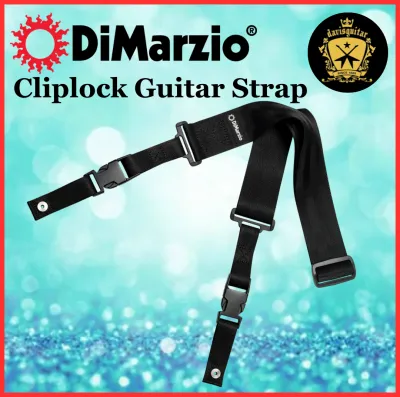
Quick-release and clip systems are designed for players who want to swap a single strap between multiple guitars rapidly without altering the guitar-side hardware. These systems feature a locking mechanism built directly into the ends of the strap itself. The strap ends use a spring-loaded clamp, a sliding plastic collar, or a lever system that opens to fit over a standard strap button and then snaps shut around the button’s neck.
This design is highly convenient for multi-instrumentalists. Instead of buying expensive metal hardware sets for four or five different guitars, you only need to purchase one high-quality quick-release strap. The strap can be clipped onto any guitar with standard buttons in a matter of seconds, making instrument changes during a set incredibly smooth.
One trade-off to consider is that the locking mechanism on the strap can be quite bulky. The plastic or metal housing surrounding the clip may rub against the guitar body, potentially scratching the finish over time if not carefully managed. Additionally, these systems require sufficient physical clearance around the strap button to allow the locking collar to click fully into place.
Before choosing a quick-release strap, you must measure the head diameter of your guitar’s existing strap buttons. If the button head is too wide or too thick, the quick-release clip may not be able to close completely, leaving the lock partially disengaged. Always verify that the clamp mechanism can wrap fully and securely beneath the button flange.
Crucial Compatibility and Fitment Checks Before You Buy
Many guitarists assume that strap locks are universally compatible, only to find during installation that the hardware does not fit their instrument. Brand names and marketing claims cannot guarantee a safe fit; physical dimensions and spatial clearances dictate compatibility. To avoid damaging your instrument, you must perform two critical areas of inspection before buying: screw threading and body clearance.

Strap Button Size, Threading, and Screw Length
When installing a button-replacement system, you must compare the replacement screw with your guitar’s original screw. To do this safely, use a properly sized screwdriver (usually a Phillips #2) to back out one of your factory strap buttons. Inspect the screw threads, overall length, and diameter carefully.
Using a replacement screw that is too long can cause severe structural damage to your guitar. If the screw penetrates too deeply, it can pierce through the thin wood of a neck heel joint or enter the control cavity of a solid-body guitar, potentially cracking the wood or damaging internal electronics. Conversely, a screw that is too short or has the wrong thread pitch will fail to grip the wood fibers securely, leading to the screw pulling out under the weight of the guitar.
If the screw provided with your new strap lock system does not match your guitar’s original screw, do not force it into the wood. Forcing a mismatched screw can split the surrounding timber or strip the pilot hole. Instead, consult your guitar manufacturer’s hardware specifications, or take both the original screw and the replacement button to a local hardware store or specialized music shop to find a compatible match.
Guitar Body Clearance and Finish Protection
Another physical dimension to verify is the clearance between the base of the strap button and the guitar body. Some mechanical locking systems require the strap coupler to slide in from the side or rotate a full 360 degrees to engage. If your guitar has a neck joint plate, an asymmetrical body horn, or a recessed button placement, there may not be enough physical space for the lock to operate.
Furthermore, mounting metal hardware directly against your guitar’s body can damage the finish. To prevent scratching, finish checking, or cracking, always place a soft washer made of felt, leather, or nylon between the metal strap button and the guitar body. This is especially critical for guitars finished in nitrocellulose lacquer, which can react chemically with certain synthetic rubbers and plastics, causing permanent discoloration.
Before tightening the new button, ensure the protective washer is centered and flat against the wood. This small barrier absorbs the physical friction caused by the strap’s movement, preserving both the aesthetic and the resale value of your instrument.
Safe Installation Practices and Ongoing Maintenance
Installing a new strap lock system requires patience and the correct tools to ensure the modification is safe and long-lasting. If you are installing a button-replacement system, follow these steps to protect your instrument’s wood:
- Inspect the Pilot Hole: Once the original screw is removed, look closely inside the pilot hole using a bright light. Check for any signs of wood rot, cracking, or stripped wood fibers. If the wood is stripped or crumbling, stop the installation immediately; do not attempt to force a larger screw or use temporary fillers like glue-soaked toothpicks for heavy instruments. Instead, consult a qualified luthier or guitar technician to perform a proper hardwood dowel repair.
- Lubricate the Screw Threads: Before inserting the replacement screw, rub the threads against a block of paraffin wax or a bar of dry soap. This light lubrication reduces friction as the screw enters the dense hardwood (such as maple or mahogany), preventing the screw head from stripping or snapping under torque.
- Tighten with Care: Thread the screw in slowly by hand using a manual screwdriver. Avoid using power drills or electric drivers, as they can easily slip and scratch your guitar's finish, or over-torque the screw. Tighten the screw until the button is snug against the protective felt washer, but do not over-tighten, as excessive pressure can crack the wood or the surrounding finish.
Once your strap locks are installed, they require regular maintenance to remain reliable. Wood is an organic material that expands and contracts in response to changes in temperature and humidity, particularly when transitioning between air-conditioned rooms and ambient tropical climates. This movement can slowly loosen the strap button screws over time.
Make it a habit to check the tightness of your strap button screws every few weeks. If you notice any play or wobbling, gently tighten the screw with a manual screwdriver. Additionally, periodically clean the mechanical locking parts of your strap locks with a clean, dry microfiber cloth to remove dust, sweat, and debris that could prevent the spring-loaded plunger from fully engaging. For metal-on-metal systems, avoid using wet oils or household lubricants, as they attract abrasive dust; instead, use a tiny drop of dry graphite lubricant if the mechanism feels stiff.
Finally, inspect rubber washers and plastic clips regularly. Look for signs of cracking, stretching, or dry rot, and replace them immediately if they show any wear. A small investment in routine inspection ensures your guitar remains securely attached to your shoulder, giving you peace of mind during every practice session and live performance.
Frequently Asked Questions (FAQ)
Can I use strap locks on an acoustic guitar?
Yes, you can use strap locks on an acoustic guitar, but you must take extra precautions due to the instrument’s construction. Acoustic guitars have much thinner wood panels than solid-body electrics, and the strap buttons are typically mounted into the neck heel or the endpin block.
Because drilling into thin acoustic wood carries a high risk of splitting, low-profile add-ons like rubber washers are highly recommended. These provide reliable security without requiring you to modify the existing hardware. If you prefer a mechanical button-replacement system, consult a professional guitar technician to ensure the replacement screw length and pilot hole depth are completely safe for your acoustic guitar’s structural design.
Do strap locks affect the guitar's resale value?
Installing strap locks generally does not negatively impact a guitar’s resale value, provided you preserve the original factory hardware. If you decide to sell the instrument in the future, many buyers prefer a completely stock guitar, especially if it is a vintage or high-end model.
To protect the resale value, place your original factory strap buttons, screws, and washers in a labeled bag and store them safely in your guitar case. You can easily restore the guitar to its original factory condition before listing it for sale. Value is only negatively affected if the installation was performed poorly, resulting in stripped wood, enlarged pilot holes, or scratches on the guitar’s finish.
Community discussion
Share your experience or ask a question. Comments are reviewed before publication.