
Selecting the right guzheng stand is a critical decision that directly impacts your playing posture, practice consistency, and the safety of your instrument. A standard 21-string guzheng is a substantial investment, and supporting it on an unstable or poorly fitted stand can compromise both your performance and the physical integrity of the instrument. By understanding how your physical space, mobility needs, and playing style interact with different stand designs, you can choose an option that protects your instrument and enhances your musical journey.
While many players focus primarily on the aesthetic appeal of a stand, structural integrity and ergonomic fit are the true foundations of a good setup. A stand that is too tall or too short can lead to chronic shoulder and back strain, while a stand that wobbles during vigorous playing can disrupt your timing and technique. Evaluating your specific environment and practice habits beforehand will help you narrow down the options to the perfect match.
Assess Your Space: Dedicated Room vs. Multi-Purpose Area
Before purchasing a stand, you must carefully measure your available floor space to ensure it can accommodate both the instrument and the player. A standard 21-string guzheng is typically around 160 cm to 165 cm in length and approximately 30 cm to 35 cm wide. However, the actual space required is significantly larger; you must factor in an additional 50 cm to 60 cm of clearance on the right side for arm movements, along with dedicated space for your playing stool or bench.
Products mentioned in this guide
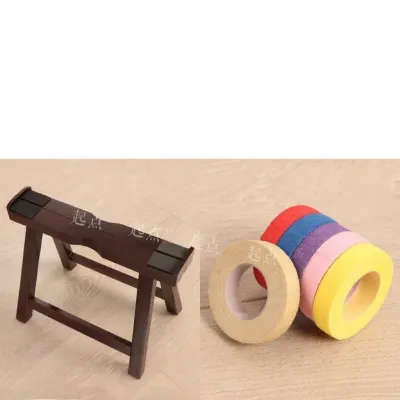
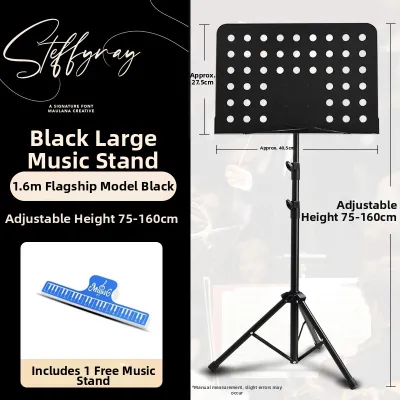
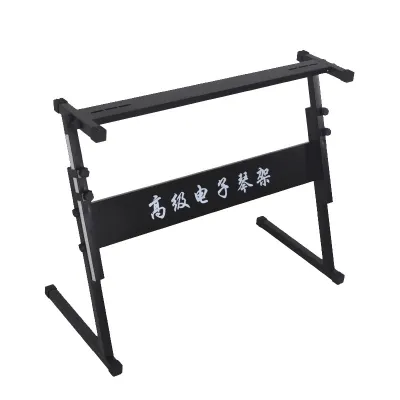
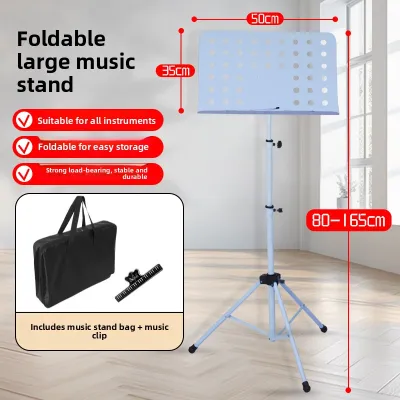
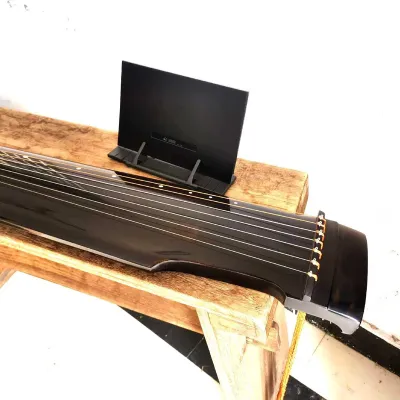
Prices are valid at publication and may change. Please refer to the product page for the latest price.
In Singapore, where residential spaces like HDB flats and condominiums feature highly optimized floor plans, dedicating a permanent two-meter stretch of a room to a musical instrument can be a challenge. If you have a dedicated music room or a quiet study, a permanent, fixed stand setup is highly advantageous. It allows your guzheng to remain set up at all times, lowering the barrier to daily practice and integrating the instrument beautifully into your home decor.
Conversely, if you must practice in a multi-purpose living area or a shared bedroom, a collapsible or highly portable stand becomes a practical necessity. In these environments, the ability to quickly pack away the instrument and store the stand out of sight helps maintain a clutter-free home. The visual footprint of the stand also matters; a bulky, dark wood stand can dominate a small room visually, whereas a streamlined, light-colored, or folding stand keeps the space feeling open and airy.
Evaluate Mobility: Do You Need to Transport or Store Your Stand?
Your routine as a musician dictates how mobile your stand needs to be. If you are a student traveling to weekly lessons at a community centre, a performer gigging at different venues, or a member of a Chinese orchestra who regularly attends rehearsals, portability is your primary concern. Transporting a heavy, solid wood stand is physically demanding and practically impossible without a dedicated vehicle.

Storage constraints also play a major role in your decision. If you do not have the luxury of keeping your guzheng permanently assembled, you need a stand that can be folded flat and tucked into a wardrobe, under a bed, or inside a household bomb shelter when not in use. Some folding stands can be collapsed in seconds without the use of tools, making them ideal for tight storage spaces.
However, prioritizing mobility comes with distinct structural trade-offs. Lightweight, highly portable stands are incredibly convenient for travel, but they generally offer less acoustic resonance and lower physical stability than their heavier, fixed counterparts. Heavy, fixed wooden stands provide a solid, grounded foundation that absorbs the physical energy of your playing, but they are difficult to move and require a permanent home.
Compare the Three Main Guzheng Stand Types
To find the right balance between space, portability, and stability, you must understand the design characteristics of the three primary categories of guzheng stands available on the market.
Portable A-Frame and Folding Stands
Portable A-frame stands consist of two separate, independent wooden or metal frames that fold flat for easy transport. These stands are typically constructed from lightweight woods like paulownia or pine, or from durable metal alloys, and are held together by fabric straps or metal hinges that limit how far they can open.
For gigging musicians, students, and those with limited living space, these stands offer unmatched convenience. They can be set up in under a minute by simply unfolding the two frames and placing them on the floor at an appropriate distance to support the head and tail of the guzheng.
However, because the two frames are entirely independent, they are highly sensitive to uneven flooring. In Singapore’s humid climate, cheap unsealed wood can warp over time, causing one leg to become slightly shorter than the others and resulting in a persistent wobble. It is essential to regularly inspect the hinges, straps, and joints of folding stands to ensure they remain secure and do not loosen with repeated use.
Fixed Wooden Stands
Fixed wooden stands are solid, non-folding structures designed to remain permanently assembled. Often sold as a matching set with the instrument, these stands are typically crafted from dense hardwoods such as mahogany, rosewood, or sandalwood, and feature a unified frame connected by sturdy crossbars.
From an aesthetic perspective, fixed wooden stands are unmatched, serving as an elegant furniture piece that complements the traditional craftsmanship of the guzheng. Acoustically, the dense, heavy wood of a fixed stand acts as a natural extension of the instrument’s soundbox, absorbing unwanted high-frequency vibrations and slightly enhancing the low-end resonance and sustain of the strings.
This superior stability and acoustic performance come at the cost of high weight and zero portability. These stands require a permanent, dedicated floor space and are difficult to transport without a large car or van. When purchasing a fixed wooden stand, inspect the joint construction—such as traditional mortise-and-tenon joints or heavy-duty internal screws—to ensure the frame will remain rock-solid over years of use.
Adjustable and Ergonomic Stands
Adjustable stands are engineered to accommodate players of different heights, making them an excellent choice for growing children, music schools, or multi-player households. These stands typically feature telescoping metal or wooden legs that can be locked at various heights, allowing you to customize the playing level to your exact physical proportions.
Maintaining proper playing height is crucial for preventing long-term physical strain. If a stand is too low, you will find yourself hunching over the instrument; if it is too high, your shoulders will tense up as you raise your arms to play. Adjustable stands solve this problem by ensuring your forearms remain parallel to the floor while your wrists drape naturally over the strings.
Because they incorporate moving parts and locking mechanisms, you must carefully verify the build quality of an adjustable stand before buying. Ensure the locking pins, hand screws, or clamps are robust enough to support the static weight of a full-size guzheng—which can range from 10 kg to 15 kg—as well as the dynamic downward force applied during play. Note that adjustable stands are often heavier and bulkier than simple A-frames, making them less convenient to transport.
Match Stand Stability to Your Playing Technique
Your choice of stand must align with the physical demands of your repertoire and playing style. Guzheng performance is highly dynamic, requiring a range of physical inputs from delicate plucking to high-energy, full-arm movements. A stand that feels perfectly stable during basic exercises may fail to perform when you progress to more advanced, vigorous techniques.
Advanced techniques such as rapid sao xian (sweeping strumming), heavy tremolos, and deep left-hand an ya (pressing the strings behind the bridges to bend pitches or create vibratos) exert significant downward and lateral force on the instrument. If your stand is too light or lacks structural rigidity, the entire assembly may slide across the floor, wobble, or emit distracting creaks that ruin your performance.
To ensure maximum stability, look for stands equipped with high-quality safety features:
- Non-slip rubber feet: Thick rubber caps on the bottom of the stand legs are essential for gripping tiled, laminate, or vinyl flooring, which are common in Singapore homes.
- Padded cradles: The contact points where the guzheng rests on the stand should be lined with thick felt, velvet, or dense foam to prevent the instrument from sliding and to protect its delicate wood finish from scratches.
- Wide bases and recess slots: Stands with a wider footprint offer better resistance against tipping, while some designs feature specific recessed cutouts that lock the feet of the guzheng securely in place.
- Weight capacity verification: Always check the manufacturer's specified weight limit for the stand, ensuring it comfortably exceeds the actual weight of your instrument, strings, and tuning hardware combined.
Final Decision Checklist: Verifying Specs Before You Buy
To ensure you select the perfect guzheng stand for your needs, use this systematic checklist to verify all specifications before making a purchase, especially when shopping online:
- Measure your instrument: Double-check the length, width, and bottom profile of your guzheng to ensure it matches the cradle dimensions of the stand.
- Assess your flooring: If you have smooth tile or polished wood floors, ensure the stand includes high-friction rubber pads, or budget S$10 to S$20 to purchase a separate non-slip mat.
- Verify the wood treatment: In Singapore's high humidity, unsealed wood is highly susceptible to warping and mold. Ensure any wooden stand has a high-quality, protective lacquer or polyurethane finish.
- Check for included accessories: Confirm whether the stand package includes protective covers, a carrying bag, or assembly tools, or if these items must be sourced separately.
- Review the return policy: Ensure the seller offers a clear return or exchange policy in the event that the stand is incompatible with your guzheng's specific shape or weight distribution.
Frequently Asked Questions (FAQ)
Can I use a standard keyboard stand for a guzheng?
Using a standard keyboard stand, such as an X-stand or Z-stand, for a guzheng is highly discouraged. Keyboard stands are designed to support flat, rigid plastic or metal chassis with evenly distributed weight. A guzheng has a curved, hollow wooden bottom and an uneven weight distribution, meaning it will not sit securely on flat keyboard bars. Without proper cradle support or recess slots, the instrument is at high risk of slipping off, falling, and sustaining catastrophic structural damage during vigorous playing.
Does the stand material affect the guzheng's sound?
Yes, the material of the stand has a subtle but noticeable effect on the instrument’s overall sound. A heavy, solid wood stand acts as a natural acoustic coupling agent, absorbing harsh high-frequency vibrations and slightly enhancing the low-end resonance, warmth, and sustain of the guzheng. In contrast, lightweight metal or thin folding wooden stands do not absorb these vibrations as effectively, which can sometimes result in a slightly brighter or thinner tone. However, for beginner and intermediate players, physical stability, safety, and proper ergonomic height are far more important factors to prioritize than these minor acoustic differences.
Community discussion
Share your experience or ask a question. Comments are reviewed before publication.