
Selecting the right harmonica music book requires a clear understanding of your current physical playing techniques and a careful evaluation of how a book presents its material. Because the harmonica is an “invisible” instrument played entirely inside the mouth, you cannot rely on visual cues to correct your form. Consequently, a book that is too advanced can lead to physical strain and frustration, while one that is too simple will fail to challenge your breath control and articulation. Matching your current skill level to the appropriate instructional layout is the most reliable way to ensure steady, enjoyable progress.
When shopping for instructional materials, you will find a wide variety of formats, from traditional sheet music to modern tablature systems. The key to making a successful purchase is identifying where your current abilities lie and matching them with a book that offers the right balance of theory, exercises, and repertoire. By focusing on structural features, notation styles, and instrument compatibility, you can select a resource that serves as an effective guide for your musical journey.
Assess Your Current Harmonica Playing Ability
To choose the correct harmonica music book, you must first objectively evaluate your current playing ability. Many self-taught players overestimate their skills because they can play recognizable melodies, yet they may still lack the foundational techniques required for intermediate study. Misjudging your level often leads to purchasing books that introduce complex techniques before your embouchure and breath control are fully developed.
Products mentioned in this guide
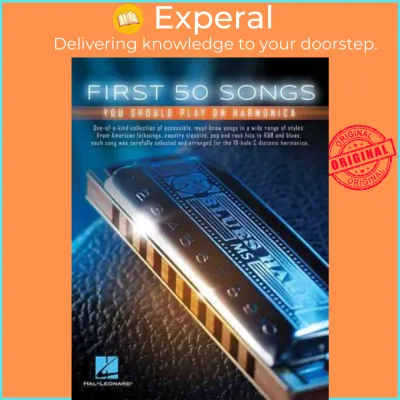
Prices are valid at publication and may change. Please refer to the product page for the latest price.
Beginner milestones focus primarily on basic mechanics and single-note isolation. If you are still struggling to play a clean, isolated note on a single hole without accidentally blowing or drawing into adjacent holes, you are firmly in the beginner stage. At this level, your primary goals are developing a consistent embouchure—either through lip pursing or basic tongue blocking—and understanding the relationship between inhaling (drawing) and exhaling (blowing) to produce steady, clear tones.
Intermediate milestones involve a shift from simple melodies to expressive pitch manipulation and positional playing. You have reached the intermediate stage when you can reliably play clean single notes across the entire range of the instrument and can execute basic draw bends on holes 1, 2, 3, 4, and 6. Intermediate players are also introduced to “second position” (or cross harp), which is the foundation of blues, rock, and country harmonica, and they begin incorporating tongue-blocking textures like slaps, draws, and octaves.
Advanced milestones require complete technical mastery and a deep understanding of music theory. Advanced players can execute overblows and overdraws to produce a fully chromatic scale on a standard diatonic harmonica. They are comfortable playing in multiple positions beyond first and second, can navigate complex chord progressions, and are skilled in advanced chromatic harmonica techniques such as rapid slide transitions and classical articulation.
The most common pitfall is purchasing an intermediate or advanced blues masterclass book before mastering clean single notes. Without the ability to isolate notes, attempting to learn bending or tongue blocking will only reinforce poor habits and lead to physical tension. Conversely, intermediate players who buy beginner books often find themselves bored by repetitive children’s songs and simple exercises that do not challenge their growing technical capabilities.
Essential Features to Evaluate in Harmonica Music Books
Once you have identified your skill level, you must evaluate the structural and instructional elements of the books you are considering. The way a book presents musical information determines how quickly you can translate the printed page into physical actions on your instrument.

Notation style is the first major feature to examine. Standard sheet music is excellent for developing general musicianship and is essential if you plan to play classical music or collaborate with other instrumentalists. However, standard notation has a steep learning curve for absolute beginners who do not yet know how to read music. Harmonica tablature (or “tabs”) solves this by using numbers and symbols to indicate which hole to play and whether to blow or draw. While tabs allow you to start playing immediately, they often lack precise rhythmic information, meaning you must already know the melody of the song to play it correctly. Some books also use numbered notation (jianpu), which represents scale degrees with numbers and is highly common in certain regional instructional materials.
Instrument compatibility is another critical factor that cannot be overlooked. Harmonica music books are rarely universal; they are typically written for a specific type of harmonica. Diatonic harmonicas, which are the most common 10-hole models, are tuned to a specific key and rely on bending to achieve missing notes. Chromatic harmonicas feature a side button that shifts the pitch by a half step, allowing for a complete chromatic scale without bending. Tremolo and octave harmonicas have double rows of holes that produce a distinct, wet chorusing sound. You must ensure the book you select matches the exact type of harmonica you own, as a diatonic book will not translate to a chromatic layout.
Multimedia support is highly valuable when learning an instrument where you cannot see the physical mechanics of sound production. Look for books that include accompanying audio tracks, video lessons, or backing tracks. Audio demonstrations allow you to hear the correct tone, timing, and articulation, which is crucial for mastering techniques like bending. Video lessons can provide visual demonstrations of hand posture, embouchure, and breathing techniques that are difficult to describe in text alone. Always verify how these multimedia resources are accessed, whether through online streaming links, downloadable files, or QR codes.
Matching Book Content to Your Skill Level
Selecting the right book involves matching its specific content focus to your current developmental needs. A well-structured book will target the exact physical and theoretical skills required for your stage of learning.
For beginners, the instructional focus must be on physical fundamentals and basic musical literacy. Look for books that offer detailed explanations of diaphragmatic breathing, which prevents hyperventilation and helps you maintain a steady airflow. The repertoire should consist of simple, familiar melodies that utilize the middle register of the harmonica (holes 4 through 7), where notes are easiest to isolate and play. The book should guide you through the transition from playing simple chords to isolating clean single notes, using clear diagrams to illustrate proper lip and tongue placement.
Intermediate books should focus on expanding your expressive palette and introducing stylistic techniques. At this stage, you need materials that explain the physics and mechanics of bending notes, providing exercises that help you target and hold bent pitches accurately. The content should introduce second position playing, explaining how to use the draw notes as a home key to play blues and rock patterns. Look for books that teach tongue blocking techniques, which allow you to play a melody note while simultaneously blocking adjacent holes with your tongue to create a rich, self-accompanied sound.
Advanced books should challenge your technical limits and deepen your musical understanding. These materials should cover overblowing and overdraw techniques, which require precise reed adjustment and highly controlled oral cavity shapes to produce chromatic pitches on a diatonic harp. The repertoire should include complex jazz standards, classical transcriptions, or intricate fiddle tunes that require rapid tempo changes and precise articulation. Advanced books should also provide frameworks for improvisation, teaching you how to analyze chord progressions, navigate key changes, and build engaging solos.
A Practical Pre-Purchase Checklist for Music Books
Before purchasing a harmonica music book online or in a physical store, use this practical checklist to ensure the material is a good fit for your setup and learning style.
First, verify the specific harmonica key and type required by the book. The vast majority of beginner instructional books are written specifically for a standard 10-hole diatonic harmonica in the key of C. If you attempt to use a harmonica in a different key, such as G or A, the notes you play will not match the accompanying audio tracks, leading to confusion and frustration. Ensure your instrument matches the book’s requirements exactly before starting.
Second, review the table of contents and any available sample pages to assess the progression pace. A well-designed book should have a logical, gradual increase in difficulty. If the book jumps from basic single-note exercises to complex blues bending within the first two chapters, the learning curve may be too steep. Look for books that offer plenty of practice exercises and simple songs for each new technique introduced, allowing you to consolidate your skills before moving on.
Third, check the publication edition and the availability of modern learning resources. Older editions may refer to outdated websites or include physical CD-ROMs that you cannot play on modern devices. Ensure the book provides reliable, modern access to audio and video files, such as QR codes or direct download links. Additionally, consider the physical binding of the book; spiral-bound books are highly practical because they lay flat on a music stand, allowing you to keep both hands on your harmonica while practicing. Expect to invest around S$15 to S$40 for a high-quality, comprehensive instructional book that includes multimedia access.
Frequently Asked Questions (FAQ)
Can I use a chromatic harmonica book for a diatonic harmonica?
Using a chromatic harmonica book for a diatonic harmonica is generally not recommended due to fundamental differences in note layouts and tuning systems. Diatonic harmonicas typically use Richter tuning, which is designed for playing chords and simple melodies in a specific key, requiring bending to access missing chromatic notes. Chromatic harmonicas use solo tuning, which provides a uniform, repeating layout across all octaves and uses a slide button to access sharps and flats. While basic music theory concepts like scales and intervals will transfer between the two instruments, the physical techniques, hole numbers, and breath patterns described in a chromatic book will not align with a diatonic harmonica.
Do I need to read standard sheet music to learn from a harmonica book?
You do not need to read standard sheet music to begin learning the harmonica, as many excellent books rely primarily on harmonica tablature. Tablature is highly intuitive and allows beginners to start playing songs immediately by following simple numbers and arrows. However, relying solely on tablature can limit your musical growth over time, as tabs rarely convey precise rhythmic values or musical expression. As you progress to intermediate and advanced levels, learning to read standard sheet music becomes highly beneficial, as it expands your choice of repertoire, helps you understand music theory, and allows you to communicate effectively with other musicians.
Are digital harmonica music books as effective as physical copies?
Digital harmonica music books offer several advantages, including instant delivery, portability, and the ability to play accompanying audio tracks directly from the screen. However, they also present unique challenges during active practice sessions. Reading small notation or tablature on a phone or tablet screen can cause eye strain, and screen glare can be distracting. More importantly, turning digital pages can interrupt your practice flow, as playing the harmonica requires both hands, making it difficult to swipe a screen without stopping. Physical books, particularly those with spiral binding, can be placed flat on a music stand for hands-free reading, allowing you to focus entirely on your playing.
Community discussion
Share your experience or ask a question. Comments are reviewed before publication.