
Selecting your first electric guitar is a milestone that shapes your entire musical journey. For beginners in Singapore, Ibanez is consistently highlighted as a premier brand due to its focus on ergonomic playability, modern design, and versatile electronics. Known globally for supporting high-performance musicians, the brand applies its design philosophy to its entry-level instruments, making them exceptionally comfortable for those who are just starting to build finger strength and chord muscle memory.
Navigating the transition into playing electric guitar involves balancing physical comfort, tonal preferences, and local environmental factors. In Singapore’s unique tropical climate, choosing an instrument with stable construction and reliable hardware is just as important as finding one that fits your budget. By understanding how Ibanez structures its beginner-friendly models, you can make an informed decision that keeps you motivated to practice every day.
Why Ibanez is a Popular Choice for Beginners
The physical design of a guitar directly influences how long a beginner can practice before experiencing hand fatigue. Ibanez is famous for its slim neck profiles, which are significantly thinner than the rounded, vintage-style necks found on many other traditional brands. This profile, often referred to as the Wizard or GRG neck shape, reduces the distance your thumb and fingers must stretch to fret notes. For players with smaller hands or those who are still developing flexibility, this ergonomic advantage makes learning complex chords and scale patterns much less intimidating.
Products mentioned in this guide


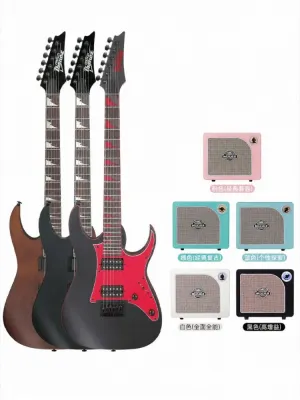
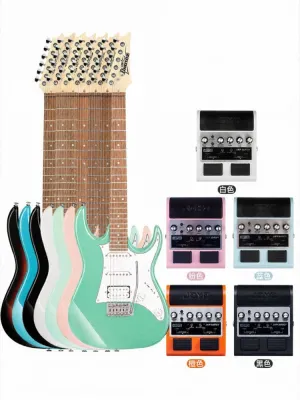
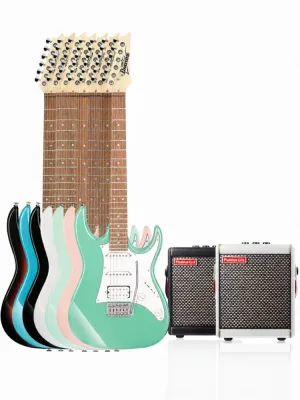

Prices are valid at publication and may change. Please refer to the product page for the latest price.
Beyond neck thickness, the overall fretwork and factory setup of entry-level Ibanez instruments are designed to offer low action out of the box. Action refers to the height of the strings above the fretboard; lower action requires less finger pressure to produce a clean note, minimizing buzzing and finger soreness. While every new guitar benefits from a professional setup to adjust to Singapore’s high humidity, Ibanez instruments generally maintain a consistent standard of manufacturing that ensures the frets are level and smooth along the edges of the fingerboard.
Versatility is another cornerstone of the brand’s appeal. Beginner guitarists rarely stick to a single genre of music as they explore their playing style. An Ibanez electric guitar is engineered to handle everything from clean, ambient pop tones to heavy, distorted rock and metal riffs. This adaptability ensures that as your musical tastes evolve, your instrument remains fully capable of producing the sounds you want to hear, saving you from needing an early upgrade.
Key Features to Evaluate in a Beginner Ibanez Guitar
When comparing different models, the body shape and weight distribution should be your first physical considerations. The classic RG shape features sharp, deep double-cutaways that allow easy access to the highest frets on the fingerboard. If you prefer a more rounded, traditional aesthetic, the Saber (S) series or the Talman shapes offer alternative contours. The S series, in particular, is known for its incredibly thin, sculpted body, which significantly reduces the weight of the instrument. A lighter guitar is highly beneficial for younger players or anyone planning to practice while standing for extended periods.

Pickup configurations play a defining role in the tonal character of your guitar. Pickups are the magnets under the strings that capture vibrations and send them to your amplifier. Ibanez beginner models typically feature either a Humbucker-Humbucker (HH) or a Humbucker-Single-Single (HSS) configuration. Humbuckers produce a thick, warm tone and are designed to cancel out electrical hum, making them ideal for rock, metal, and high-gain blues. Single-coil pickups offer a brighter, snappier sound that excels in funk, pop, and clean indie rock. Choosing an HSS configuration gives you the best of both worlds, providing a humbucker at the bridge for heavy rhythm playing and single coils in the middle and neck positions for sparkling clean tones.
Another critical decision point is the bridge type, which is categorized into fixed bridges and tremolo bridges. A fixed bridge, also known as a hardtail, anchors the strings directly to the body. This design offers maximum tuning stability, makes changing strings straightforward, and simplifies the process of switching to alternate tunings. A tremolo bridge allows you to use a whammy bar to bend the pitch of all strings simultaneously. While tremolo systems offer expressive creative options, they require more maintenance, can complicate string changes, and may slip out of tune more easily if not set up correctly. For most absolute beginners, a fixed bridge is highly recommended to minimize maintenance hurdles.
Understanding the Ibanez GIO Series and Entry-Level Lines
To find the most affordable and beginner-friendly models, you need to look at the Ibanez GIO series. This dedicated sub-brand is designed specifically to offer the classic aesthetics and playability of high-end Ibanez guitars at a fraction of the cost. Within the GIO lineup, you will encounter several distinct body styles. The GRG models mimic the famous high-performance RG series, featuring aggressive styling and flat fretboards optimized for fast playing. The GSA models offer a slightly more rounded body edge and a synchronized tremolo bridge, bridging the gap between modern and vintage designs.
Understanding Ibanez’s model naming conventions will help you decode the specifications of any guitar you view online or in a local showroom. The prefix, such as GRG or GRX, identifies the body shape and series. The numbers that follow generally indicate the tier of hardware and electronics, with higher numbers often representing upgraded components or more complex pickup switching systems. Suffixes at the end of the model name denote specific cosmetic finishes or materials; for example, “QA” indicates a Quilted Maple Art Grain top, which gives the guitar a premium, textured look, while “DX” often points to deluxe features like sharktooth fretboard inlays.
At this entry-level price point, Ibanez utilizes cost-effective yet durable tonewoods. Bodies are commonly constructed from poplar, basswood, or okoume, which provide balanced acoustic resonance without adding excessive weight. Necks are almost universally crafted from solid maple, a dense wood that resists warping under environmental stress. While the hardware on GIO models is simpler than that found on professional-tier Ibanez instruments, the tuning pegs, jacks, and switches are selected for daily reliability, ensuring the guitar remains functional through years of practice.
How to Build Your Shortlist and Verify Before Buying
Establishing a realistic budget is the first step in building your shortlist. In Singapore, a quality entry-level Ibanez electric guitar typically ranges from S$250 to S$600, depending on the specific model and finish. While it is tempting to spend your entire budget on the guitar itself, you must allocate funds for essential accessories. You will need an instrument cable, a digital clip-on tuner, a guitar strap, a gig bag for transport, and a selection of picks. Many local retailers offer starter bundles that package these items together, which can provide excellent value if the included components meet your quality standards.
When you are ready to make a purchase, verifying the source of your instrument is crucial for long-term peace of mind. Buying from an authorized local distributor or a reputable, established music store in Singapore ensures that you receive an authentic product backed by a manufacturer’s warranty. Be cautious when browsing online marketplaces or peer-to-peer platforms; while secondhand deals can be appealing, they often lack return policies and may hide structural defects that are difficult for a beginner to spot. An authorized dealer will also be able to assist you with future maintenance and adjustments.
Before finalizing your purchase, whether in-store or immediately upon home delivery, perform a basic physical inspection of the guitar. Hold the guitar up and look down the edge of the neck from the headstock to the body to ensure it is straight and does not exhibit severe twisting. Run your fingers gently along the sides of the neck to check for sharp fret ends; in Singapore’s humid climate, wood can expand or contract, occasionally causing the metal frets to protrude slightly. Finally, plug the guitar into an amplifier and turn all the control knobs and the pickup selector switch. Listen closely to ensure the signal is clean and free from crackling noises, which can indicate loose internal wiring or dusty potentiometers.
Frequently Asked Questions (FAQ)
Do I need an amplifier when buying my first Ibanez electric guitar?
Yes, to experience the true sound of an electric guitar, you will need an amplification system. While you can practice on an electric guitar unplugged, the acoustic sound it produces is very quiet and lacks the sustain, depth, and tonal characteristics of the instrument. The amplifier is responsible for shaping your tone, allowing you to experiment with clean sounds, overdrive, and distortion.
If you live in a compact apartment in Singapore where noise is a concern, you do not need a large, loud amplifier. Excellent silent practice alternatives exist, such as headphone amplifiers that plug directly into your guitar’s output jack, or USB audio interfaces that connect the guitar to your computer or tablet. These digital options allow you to practice with high-quality tones through headphones without disturbing your family or neighbors.
Is a tremolo bridge too difficult for a beginner to maintain?
A standard synchronized tremolo bridge, which is common on many entry-level Ibanez GSA and GRX models, is manageable for beginners but does require a bit more patience during tuning and string changes than a fixed bridge. Because the bridge is held in balance by tension from the guitar strings on one side and metal springs inside the body on the other, changing the tuning of one string can slightly affect the pitch of the remaining strings.
However, you should generally avoid double-locking tremolo systems (often labeled as Floyd Rose or Edge systems) as an absolute beginner. These systems lock the strings at both the bridge and the nut, requiring specialized tools and a steep learning curve to restring, tune, and set up. For a hassle-free learning experience where you can focus entirely on playing technique, starting with a fixed bridge is highly recommended.

Community discussion
Share your experience or ask a question. Comments are reviewed before publication.