
Discovering your personal purpose through the concept of ikigai requires more than just reading a summary; it demands engaging with a framework that resonates with your current life stage and goals. Because the market offers a wide variety of interpretations—from Westernized career models to traditional Japanese philosophies—selecting the right book is the first critical step. This guide provides a structured approach to evaluating, comparing, and purchasing the most suitable ikigai literature for your personal growth journey.
To make an effective choice, you must first identify what you hope to gain from the text. A reader seeking a career pivot requires a vastly different book than someone looking to reduce daily stress and find joy in small moments. By understanding the distinct literary approaches to this concept and evaluating books based on author authority, structural balance, and format compatibility, you can select a text that serves as a practical, transformative guide for your unique journey.
Understanding the Different Approaches to Ikigai
When searching for literature on ikigai, you will quickly notice that authors generally fall into one of three distinct schools of thought. The first and most common in contemporary self-help is the Westernized intersection model. This approach visualizes ikigai as a four-circle Venn diagram representing the intersection of what you love, what you are good at, what the world needs, and what you can be paid for. While this framework is highly analytical and incredibly useful for career planning, professional development, and entrepreneurial alignment, it is actually a modern Western adaptation rather than the classical Japanese concept. Books utilizing this model are ideal if you are navigating a competitive professional landscape and want to optimize your career path for both fulfillment and financial sustainability.
Products mentioned in this guide
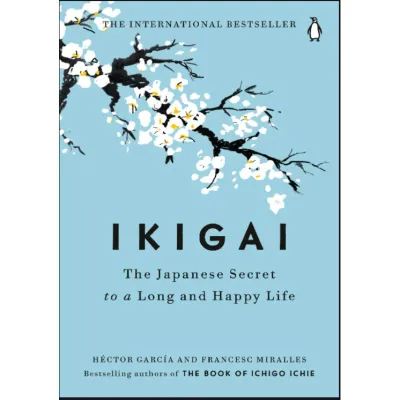




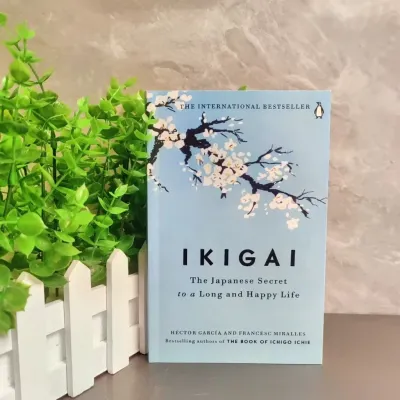
Prices are valid at publication and may change. Please refer to the product page for the latest price.
In contrast, the second school of thought focuses on traditional Japanese philosophy. In its original cultural context, ikigai (derived from iki, meaning life, and gai, meaning value or worth) is not inherently tied to professional success or financial gain. Instead, it emphasizes daily joys, community connection, mindfulness, and longevity. Literature in this category often explores the lifestyles of centenarians in rural Japan, highlighting how micro-habits, a sense of belonging, and a slow-paced, present-focused life contribute to a long and happy existence. These books are less about structured career planning and more about finding a reason to wake up in the morning, even in retirement.
The third category consists of practical workbooks and journals. These interactive formats are designed for active reflection rather than passive reading. Instead of focusing heavily on theory or narrative case studies, they provide structured spaces, self-assessment scales, and daily prompts to help you map out your own life. If you struggle with abstract concepts and prefer a hands-on, step-by-step methodology to organize your thoughts, a workbook is often the most effective tool to bridge the gap between philosophy and action.
Key Criteria for Evaluating Ikigai Books
With dozens of titles available on online marketplaces and in local bookstores, evaluating the quality and depth of a book before purchasing is essential. The first criterion to consider is the author’s background and authority. Differentiating between cultural scholars, psychologists, and commercial self-help writers will help you gauge the depth of cultural and scientific accuracy. A book written by a cultural researcher or an author who has spent years living in Japan will offer authentic linguistic and historical context. On the other hand, a book written by a licensed psychologist or cognitive behavioral therapist will provide evidence-based exercises to help you overcome mental blocks, while a commercial self-help writer might focus more on high-energy motivation and simplified concepts.

Another critical factor is the content structure and balance. Before buying, examine the table of contents or read sample pages to evaluate the ratio of theoretical explanation to actionable, real-world exercises. A well-balanced book should not only inspire you with stories of others finding their purpose but also provide concrete frameworks that you can apply to your own life. Look for chapters that end with reflective questions, diagnostic tests, or clear action steps. If a book consists entirely of anecdotes without any structured guidance, you may find yourself feeling inspired but lacking the tools to make actual changes.
Finally, analyze reader feedback and substantive value by looking past simple star ratings. When reading reviews, pay close attention to what readers say about the book’s practical utility. Avoid titles that are frequently criticized for relying on superficial motivational platitudes or repetitive concepts. Instead, look for reviews that mention specific, life-altering exercises, clear cognitive frameworks, or structured methodologies that helped the reader make tangible changes in their daily routine. A book that offers genuine psychological frameworks will consistently receive praise for its depth and long-term applicability.
Matching Book Types to Your Personal Goals
To maximize the return on your investment, you should match the category of ikigai literature to your immediate life challenges and long-term aspirations. If you are currently facing a career transition, feeling stuck in a corporate job, or planning a strategic professional pivot, you should select titles that integrate the Western ikigai model with professional development. These books are specifically designed to help you map your skills, identify market demands, and align your personal passions with financial viability. They provide a structured business-like approach to self-discovery, making them highly suitable for professionals working in fast-paced urban environments.
If you are experiencing burnout, chronic stress, or a sense of emptiness despite achieving professional success, your goals are better served by books rooted in traditional Japanese practices. These texts focus on cultivating inner peace, lifestyle design, and stress reduction. They teach you how to find flow states in your daily tasks, implement sustainable micro-habits, and appreciate the beauty of imperfection. By shifting the focus away from productivity and financial gain, these books help you build a more balanced, mindful, and resilient lifestyle.
For those who require a highly structured path to self-discovery, guided workbooks and journals are the most appropriate choice. If you often read self-help books but struggle to implement the advice, a workbook forces active participation. These books require you to write down your thoughts, track your progress over several weeks, and complete specific goal-mapping exercises. This structured format provides the accountability needed to turn abstract reflections into concrete, daily habits, making it an excellent companion to a more theoretical text.
What to Check Before Buying: Formats and Editions
Before finalizing your purchase, it is important to ensure that the book’s format, language, and edition align with your study habits and device compatibility. First, assess whether a physical book, e-book, or audiobook format will best support your learning style. If you choose a workbook or a text with heavy diagrammatic elements, a physical copy is highly recommended. Writing directly on the pages, drawing your own Venn diagrams, and highlighting key passages can significantly enhance cognitive retention. Conversely, if you prefer reading during your daily commute on the MRT, a digital e-book offers unmatched convenience, though you may need a separate notebook to complete the exercises. Audiobooks are excellent for narrative-driven philosophical texts, but they are highly impractical for books that rely on visual diagrams and written assessments.
Second, pay close attention to the language and translation quality. Because ikigai is a deeply nuanced Japanese concept, the quality of the translation can make a significant difference in how well you understand the philosophy. Verify the translator’s credentials and read sample pages to ensure that complex terms—such as kodawari (the uncompromising pursuit of perfection) or wabi-sabi (finding beauty in imperfection)—are explained with cultural sensitivity and intellectual depth rather than being oversimplified into generic self-help jargon.
Finally, verify the content completeness and authorization of the edition you are purchasing. When shopping on online marketplaces, be wary of heavily discounted, self-published summaries or unauthorized study guides that plagiarize the core concepts of established authors. These low-quality editions often lack professional editing, contain critical translation errors, and omit the essential exercises that make the original book valuable. To ensure you are getting a complete, unabridged, and authorized version, always purchase from reputable publishers, official brand stores, or established local bookstores. Investing S$20 to S$30 in a high-quality, authorized edition ensures you receive the full, uncompromised value of the author’s work.
Frequently Asked Questions (FAQ)
Do I need to read multiple Ikigai books to find my purpose?
You do not need to read multiple books to begin your journey, as starting with a single, high-quality foundational text is often the most effective approach. Reading too many different interpretations at once can lead to information overload and confusion, especially since Western and traditional Japanese perspectives approach the concept differently. A highly effective strategy is to select one comprehensive theoretical book to understand the core philosophy, and then pair it with a dedicated, practical workbook. This combination allows you to absorb the foundational concepts deeply before immediately applying them through structured, written exercises.
Can an Ikigai book replace professional career or life coaching?
While an ikigai book is an exceptional tool for self-reflection, baseline assessment, and initial framework building, it cannot entirely replace professional career or life coaching. Books provide generalized frameworks and inspiring stories, but they lack the personalized feedback, objective accountability, and tailored guidance that a professional coach offers. If you are dealing with deep psychological blocks, severe burnout, or highly complex career transitions that involve significant financial risk, a book should be used as a supplementary tool alongside professional counseling or coaching rather than a complete substitute.
How should I integrate Ikigai exercises into my daily routine?
To successfully integrate these exercises without experiencing burnout, you should treat self-discovery as a gradual process rather than an overnight overhaul. Instead of attempting to complete an entire workbook in one weekend, schedule regular, short reflection sessions—such as 15 to 20 minutes on a Saturday morning. Focus on implementing one small micro-habit at a time, such as practicing mindfulness during your morning routine or dedicating a small block of time to a creative passion. By adapting the book’s exercises into sustainable, daily habits, you allow the philosophy of ikigai to naturally integrate into your lifestyle over time.
Community discussion
Share your experience or ask a question. Comments are reviewed before publication.