
Selecting the right kids drum set requires balancing your child’s physical height, coordination level, and your home’s spatial constraints. While age brackets offer a helpful starting point, a child’s physical reach and motor skills ultimately dictate which instrument will foster a successful learning experience. Choosing a kit that is too large can lead to poor posture and physical strain, while a kit that is too small will quickly be outgrown and may limit technical development.
For parents navigating this decision, the goal is to find an instrument that matches the child’s current physical proportions while offering enough adjustability to accommodate natural growth. This guide breaks down the essential drum categories by developmental stage, compares the practicalities of acoustic versus electronic setups for local homes, and provides a step-by-step framework for verifying sizing, ergonomics, and build quality before making a purchase.
Quick Decision Guide: Matching Age, Size, and Drum Type
Physical dimensions—specifically height, arm reach, and leg length—are the most critical factors when selecting drum hardware. A child must be able to sit comfortably on a throne with both feet flat on the floor or pedals while easily reaching the center of every drum head and cymbal. If a child has to stretch, lean forward, or stand up to strike a cymbal, the kit is too large and can cause muscle fatigue or discourage regular practice.
Products mentioned in this guide

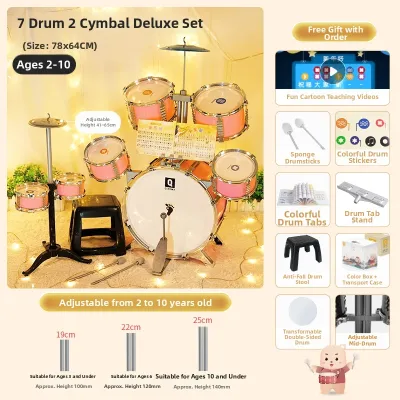
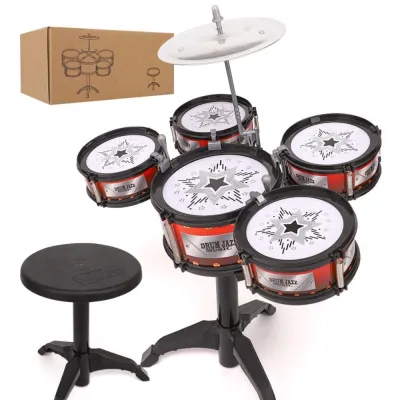
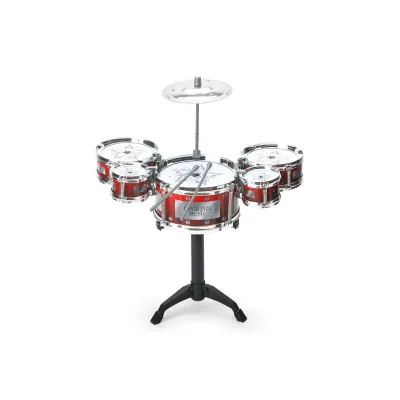

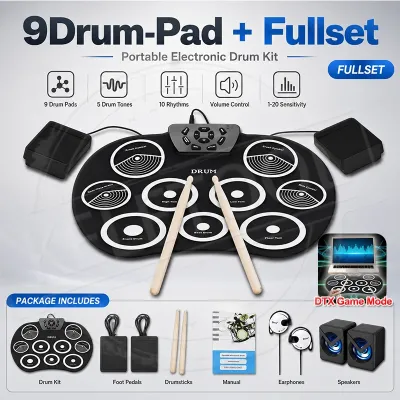
Prices are valid at publication and may change. Please refer to the product page for the latest price.
Generally, drum sets are categorized into four main types to match different developmental stages:
- Toddler Percussion (Ages 2–5): Unpitched or simplified tabletop pads and toy kits designed for basic rhythm play and motor skill development.
- Junior Acoustic Kits (Ages 6–9): Scaled-down acoustic drums with smaller shell diameters (such as a 16-inch bass drum) and lower hardware heights.
- Junior Electronic Kits (Ages 6–9): Compact, height-adjustable rack systems featuring quiet mesh or rubber pads that fit easily into tight spaces.
- Standard/Intermediate Kits (Ages 10+): Full-sized or slightly downsized adult kits with robust, highly adjustable hardware designed for long-term use.
In high-density living environments like Singapore, where space is at a premium and neighbors live in close proximity, noise and footprint are major considerations. Acoustic kits require dedicated soundproofing or muting accessories to prevent structural vibrations from traveling through concrete floors. Electronic kits offer a more compact footprint and headphone outputs, making them highly suitable for apartment living, though pedal vibrations may still require a thick rug or isolation platform.
Drum Set Categories by Age and Developmental Stage
While chronological age is a convenient baseline, children develop physical coordination, focus, and motor skills at highly individual rates. When selecting a drum set, it is essential to evaluate your child’s current developmental stage rather than relying solely on the age recommendation printed on the box. The transition from simple rhythm toys to functional musical instruments requires a corresponding shift in how the hardware is constructed, adjusted, and maintained.

Toddlers and Preschoolers (Ages 2–5)
At this early stage, the primary objective is to introduce basic rhythm, hand-eye coordination, and a love for music rather than teaching complex drum rudiments or pedal techniques. Toddlers and preschoolers do not yet have the limb length or cognitive focus required to operate a traditional multi-piece drum kit with foot pedals. Instead, they benefit most from simplified percussion setups that encourage free exploration of sound.
When evaluating options for this age group, look for lightweight materials, rounded edges, and highly durable construction that can withstand enthusiastic, uncoordinated strikes. Tabletop electronic pads, small hand drums, bongos, or basic three-piece toy kits without complex hardware are ideal. These setups allow young children to sit or stand comfortably without the frustration of managing multiple stands and pedals.
However, safety must remain the top priority for this age bracket. Parents should carefully check for potential choking hazards, such as small wing nuts, loose tension rods, or detachable plastic parts that could be swallowed. Avoid fragile plastic toy kits that can splinter or break under impact, creating sharp edges. Additionally, if choosing a basic electronic toy pad, verify that it has a reliable volume limiter or headphone jack to prevent overstimulation and protect sensitive young ears from sudden loud noises.
Early School Age (Ages 6–9)
As children enter early school age, their physical coordination, attention span, and capacity for structured learning increase significantly. This is the ideal window to transition from simple rhythm toys to functional, junior-sized musical instruments. Children in this bracket are typically tall enough to operate a basic foot pedal while seated, allowing them to learn the fundamental coordination between hands and feet.
Junior-sized acoustic kits or entry-level electronic kits with mesh heads are highly suitable for this stage. These instruments feature smaller drum diameters—typically a 10-inch snare, 8-inch or 10-inch toms, and a 16-inch bass drum—which keeps the entire setup compact and within easy arm’s reach. Mesh-head electronic kits are particularly beneficial here, as they offer a realistic rebound that helps develop proper stick technique while keeping ambient noise to a minimum.
Before investing in a premium, full-sized drum set, it is wise to evaluate your child’s long-term commitment level. A junior kit with highly adjustable stands allows you to set the drums at the correct height and angle for a growing child. Look for kits that feature sturdy, double-braced metal hardware rather than flimsy plastic joints, ensuring the set remains stable during practice sessions and can be adjusted as the child grows.
Pre-Teens and Older Beginners (Ages 10+)
By the age of ten, most children have reached near-adult physical proportions and possess the cognitive maturity required for advanced musical instruction, reading sheet music, and practicing complex independent limb movements. For these older beginners, a standard-sized drum kit or a high-quality, full-size electronic kit is generally the most appropriate choice.
Moving directly to a standard 5-piece acoustic kit or a full-size electronic mesh-head kit prevents the child from quickly outgrowing a junior set. Standard kits feature larger drum shells—such as a 14-inch snare, 12-inch and 13-inch toms, and a 20-inch or 22-inch bass drum—which provide the deep, resonant tones associated with traditional drumming. These kits also utilize heavy-duty hardware that can withstand the increased striking force of an older child or teenager.
When setting up a standard kit for a pre-teen, it is crucial to verify that the hardware offers sufficient adjustability. Check that the throne can be lowered enough for their feet to rest flat on the pedals, and ensure the cymbal stands and tom mounts can be angled downward to accommodate a slightly shorter reach. Investing in standard-sized hardware from the beginning ensures long-term usability, saving you from having to purchase an entirely new kit as your child transitions into their teenage years.
Acoustic vs. Electronic Kits: Choosing the Right Fit for Your Home
Deciding between an acoustic and an electronic drum set is a major choice for parents. Both options have distinct trade-offs regarding noise level, physical footprint, playing feel, and maintenance. Understanding how these factors align with your living situation and your child’s learning goals is essential for making an informed decision.
Noise Control and Volume Management Acoustic drums are inherently loud, often exceeding 90 decibels, which can lead to neighbor complaints in high-density Singapore apartments. While rubber muting pads or mesh practice heads can reduce acoustic volume, they alter the natural sound and feel. Electronic kits allow the player to use headphones, limiting ambient noise to the quiet tap of sticks on rubber or mesh. However, the physical thumping of the bass drum pedal can still transmit low-frequency vibrations through concrete floors, which may require a thick acoustic rug or an isolation platform to dampen.
Space and Physical Footprint Acoustic drum sets require a permanent space of at least 1.5 meters by 1.5 meters to accommodate the throne and stands. Because they cannot be easily folded, they are best suited for homes with a dedicated music area. Electronic drum kits are much more compact, with many models featuring lightweight, folding rack systems that can be stored in a closet when not in use, making them highly practical for smaller bedrooms.
Feel, Rebound, and Playing Technique The physical sensation of striking a drum head—known as rebound—is critical for developing proper stick control. Acoustic drum heads offer a natural, responsive rebound. Among electronic kits, mesh heads closely mimic this natural feel and are highly recommended over hard rubber pads. Rubber pads have a stiff, synthetic bounce that can cause wrist fatigue and does not translate smoothly to acoustic kits during lessons.
Maintenance and Long-Term Durability Acoustic drums require regular tuning and occasional head replacements. They are also sensitive to extreme changes in temperature and humidity, which can warp wooden shells over time. Electronic kits require very little maintenance beyond keeping the pads clean and checking cable connections. However, they rely on electronic modules and sensors that can wear out, and firmware updates may occasionally be necessary.
Essential Sizing and Ergonomic Checks for Growing Drummers
Proper ergonomics are vital for young drummers to prevent physical strain and ensure a comfortable playing experience. Before finalizing any purchase, use this practical checklist to verify that the kit can be adjusted to fit your child’s current proportions.
- Throne Height and Leg Angle: Have your child sit on the throne with their feet flat on the pedals. Their thighs should be parallel to the floor or angled slightly downward, creating a knee angle of approximately 90 to 100 degrees. If their knees are bent too sharply, the throne is too low, putting strain on the lower back.
- Snare Drum Height and Placement: Position the snare directly between the child's knees, with the top rim sitting roughly 2 to 5 centimeters below their belly button. This allows them to strike the center of the drum head comfortably with their forearms parallel to the floor, preventing shoulder strain.
- Tom and Cymbal Reach: Position the rack toms and cymbals so the child can reach the center of each playing surface without leaning forward or hunching their shoulders. Toms should be angled slightly toward the child, and cymbals should be set at a height where they can be struck without fully extending the arms.
- Pedal Reach and Resistance: Verify that the child's leg length allows them to fully depress the bass drum and hi-hat pedals without sliding forward on the throne. Pedal tension should be adjustable so it can be loosened for younger, lighter children.
- Hardware Adjustability Limits: Check the maximum height limits of the stands and throne. Ensure there is room for upward adjustment so the kit can grow alongside your child for at least two to three years.
Building Your Shortlist: What to Verify Before You Buy
With numerous options available on online marketplaces and in local music stores, building a reliable shortlist requires a systematic approach. Focus on verifying specifications, package inclusions, and build quality to ensure a safe, durable investment.
Verify Manufacturer Specifications Always read the manufacturer’s detailed specifications rather than relying on generic age labels. Look for explicit minimum and maximum user height recommendations, which are far more accurate than age brackets. Additionally, check the weight capacity of the drum throne to ensure it can safely support your child.
Check Package Inclusions Drum sets are sold in various configurations, and what appears to be a complete kit in a photo may not include all necessary components. Verify if essential items like the drum throne, bass drum pedal, cymbals, and drumsticks are included. Some acoustic kits are sold as “shell packs” without stands or cymbals, while many electronic kits do not bundle a throne or headphones.
Assess Warranty and Local Support A drum set is a significant investment that undergoes constant physical impact. Verify the warranty terms offered by the manufacturer or local distributor in Singapore. Ensure that replacement parts—such as extra drum heads, cymbal pads, cables, or tension rods—are readily available locally to make repairs straightforward.
Identify Product Red Flags Be cautious of product descriptions that use vague, hyperbolic language like “professional grade” on kits priced significantly below market averages. True musical instruments feature robust metal hardware, adjustable tension rods, and replaceable drum heads. Red flags include non-adjustable plastic stands, paper-thin cymbals, and drum heads that are permanently glued to the shells.
Frequently Asked Questions (FAQ)
At what age should a child start taking formal drum lessons?
Most drum instructors recommend starting formal, structured drum lessons around the age of 6 to 8. By this stage, children have typically developed the physical coordination required to operate pedals and sticks simultaneously, as well as the cognitive ability to read basic notation and follow a structured practice routine. Before this age, informal exploration at home using junior kits, hand percussion, or rhythm games is highly beneficial. This self-guided play helps build a natural sense of tempo and hand-eye coordination without the pressure of formal instruction. If your child demonstrates a strong ability to maintain a steady beat, follow multi-step instructions, and maintain focus for 20 to 30 minutes, they may be ready to transition to a professional teacher.
Do I need to buy a separate drum throne for a kids drum set?
Whether you need to purchase a separate drum throne depends entirely on the quality and adjustability of the seat included in your drum kit bundle. Many entry-level junior kits include basic, lightweight stools that offer limited height adjustment and lack sufficient padding or stability. Using an unstable stool or a standard household chair can compromise your child’s posture, leading to back discomfort and poor pedal technique. If the bundled throne wobbles, cannot be lowered to the correct height, or does not support your child’s weight securely, it is highly recommended to invest in a dedicated, height-adjustable drum throne. Look for a throne with a sturdy, double-braced tripod base and a secure locking mechanism to ensure your child remains safe and comfortable during practice.
How can I reduce the noise of an acoustic kids drum set in an apartment?
Reducing the volume of an acoustic drum set in a high-density apartment building requires a combination of sound-dampening accessories and strategic placement. To minimize airborne sound, you can install rubber drum mutes or mesh practice heads directly onto the acoustic shells, and use low-volume cymbals made from perforated metal alloys. To address structural noise—which occurs when the physical impact of the pedals vibrates through the floor and walls—place the entire drum kit on a thick, non-slip acoustic rug. For maximum vibration isolation, you can construct a simple DIY sound platform using interlocking foam gym mats topped with a sturdy wooden board. Finally, establish a clear, respectful practice schedule with your neighbors, limiting drumming to specific daytime hours to maintain positive community relations.
Community discussion
Share your experience or ask a question. Comments are reviewed before publication.