
Finding the right ukelele leather strap is one of the most effective ways to improve your playing posture, secure your instrument, and prevent fatigue during long practice sessions. For beginners, holding a small instrument might seem simple, but a proper strap allows your fretting hand to move freely along the fretboard without constantly supporting the neck. Choosing the ideal strap requires balancing material durability, correct sizing, and an attachment style that matches your instrument’s physical build.
Quick Guide to Selecting Your First Leather Strap
When searching for your first ukelele leather strap, the decision comes down to four primary pillars: material composition, physical dimensions, attachment compatibility, and overall comfort. A strap that works well for a large baritone ukulele might feel incredibly bulky and restrictive on a tiny soprano model. Therefore, understanding your specific instrument’s size is the first step in narrowing down your options.
Soprano and concert ukuleles are lightweight and require minimal support, meaning a thinner, highly flexible strap is often the most comfortable choice. Tenor and baritone models, having larger and heavier bodies, benefit from slightly wider straps that distribute the weight evenly across your shoulder. The goal is to find a strap that keeps the instrument stable and secure, allowing you to focus entirely on your strumming and chord transitions.
Products mentioned in this guide
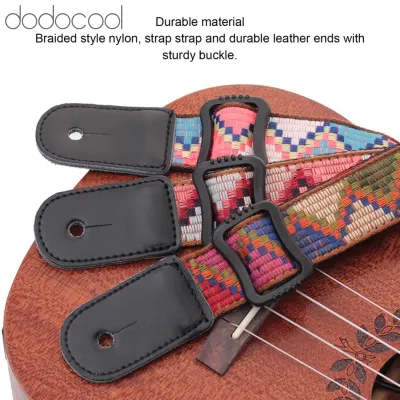
![[SG 🚚] 1Pc Folk Guitar Strap Buckle Leather Belt Guitar Neck Strap Safe Lock Holder For Ukulele Classic Bass Guitar Parts](https://img.lazcdn.com/g/p/858ffb21e5154bf7bfa3720721f21ad3.jpg_400x400q80.jpg_.webp)
Prices are valid at publication and may change. Please refer to the product page for the latest price.
Evaluating Leather Quality and Material Options
Leather is a popular material choice for instrument straps due to its classic aesthetic, durability, and ability to conform to the player’s body over time. However, not all leather straps are created equal, and terms used in product descriptions can sometimes be confusing for beginners. Understanding what these terms mean will help you make an informed purchase that aligns with your budget and expectations.

When browsing online marketplaces or local music shops, you will encounter various grades of leather, ranging from premium cuts to synthetic alternatives. It is essential to read the product specifications carefully rather than relying solely on the visual appearance in product photos. High-quality leather straps are an investment that can last for decades, while lower-grade options may wear out or crack within a few years of regular use.
Natural leather undergoes a process called patination, where it absorbs oils from your hands and exposure to light, gradually darkening and softening over time. This aging process gives each strap a unique character that many musicians highly prize. On the other hand, synthetic alternatives offer a highly consistent appearance, excellent resistance to moisture, and require virtually no maintenance to keep their structural integrity.
Genuine vs. Synthetic Leather
- Genuine Leather: This term is often used as a broad category, but in manufacturing, "genuine leather" specifically refers to lower-grade split leather that has been bonded and finished with a protective coating. It offers the classic feel and scent of real leather at a more accessible price point, though it lacks the extreme durability of top-grain or full-grain cuts. These straps require occasional conditioning to prevent the material from drying out and cracking, especially in dry or highly air-conditioned environments.
- Synthetic Leather: Often labeled as faux leather, vegan leather, PU (polyurethane), or protein leather, these materials are entirely animal-free. They are highly lightweight, uniform in texture, and naturally resistant to sweat and humidity, making them an excellent choice for players in warm climates like Singapore. Synthetic straps are also highly flexible right out of the box, requiring no break-in period.
- Backing Materials: It is common for manufacturers to use a hybrid design, featuring a genuine leather top layer for aesthetics and a synthetic or suede backing for stability. Always verify the backing material in the product description, as a smooth synthetic backing might slide too easily on your shoulder, while a brushed suede backing provides excellent grip to keep the ukulele in place.
Thickness, Weight, and Flexibility
- Thickness and Weight: A thick, heavy-duty leather strap might look impressive, but it can easily overwhelm a lightweight soprano or concert ukulele. The added weight can make the instrument neck-heavy, forcing you to constantly support the neck anyway. For smaller ukuleles, look for thin, lightweight leather profiles that complement the instrument's natural balance.
- Flexibility and Break-In: High-quality, thick leather can be quite stiff when brand new. It requires a "break-in" period of regular use before it softens and contours comfortably to your shoulder. If you prefer immediate comfort, look for straps described as "garment leather" or "glove leather," which are pre-softened during the tanning process.
- Edge Finishing: Examine the edges of the strap in product images or descriptions. Raw, unfinished edges can feel scratchy against your neck during long practice sessions and are prone to fraying over time. Look for straps with rolled edges, stitched borders, or sealed burnished edges, which ensure a smooth feel against your skin and prevent the leather layers from separating.
Determining the Right Width and Length for Your Fit
Selecting the correct dimensions for your ukelele leather strap is crucial for both physical comfort and proper playing ergonomics. If a strap is too wide, it can rub uncomfortably against your neck; if it is too narrow, it can dig into your shoulder under the weight of a larger instrument. Similarly, a strap with insufficient length adjustment will prevent you from positioning the ukulele at the optimal height for your arms.
Strap width should generally scale with the size of your ukulele. For soprano and concert models, a width of 2.5 to 3.8 centimeters is usually ideal, providing sufficient support without adding unnecessary bulk. For larger tenor and baritone models, a width of 3.8 to 5 centimeters helps distribute the heavier weight across a larger surface area on your shoulder, reducing localized pressure points.
To determine the required strap length, grab a flexible measuring tape or a piece of string and drape it over your shoulder, mimicking how a strap would sit. Measure from the tail block of your ukulele, over your shoulder, and back to the neck or headstock attachment point while holding the instrument in your preferred playing position. Most ukulele straps are adjustable, typically ranging from 75 to 130 centimeters, which accommodates various body types and playing heights.
Adjustability is particularly important if you alternate between sitting and standing while practicing. When sitting, you may want a slightly looser strap to let the instrument rest on your lap, whereas standing requires a tighter adjustment to keep the ukulele securely positioned against your chest. Look for straps with sliding tri-glide adjusters or multiple pre-cut button holes to make these quick adjustments seamless.
Choosing the Correct Attachment Style for Your Ukulele
Before purchasing any ukelele leather strap, you must inspect your instrument to see how a strap can physically attach to it. Unlike guitars, which almost universally come with pre-installed strap buttons, ukuleles feature various construction styles that dictate which attachment mechanism is safe and effective. Using the wrong attachment style can result in dropped instruments, scratched finishes, or even structural damage to the wood.
- Tie-On Headstock Straps: This style is highly versatile and works on virtually any ukulele. It features a leather loop or a cord that ties around the headstock, just above the nut and underneath the strings. It is an excellent option for players who do not want to drill holes into their instrument. Ensure the tie-on cord is made of high-quality nylon or leather and is tied with a secure, non-slip knot to prevent the instrument from slipping out.
- Button-and-Hole Attachments: This is the most secure attachment method, mimicking a traditional guitar setup. It requires your ukulele to have metal strap buttons installed on the bottom of the body (the tail block) and optionally at the heel of the neck. The leather strap features pre-cut keyhole slots that slip tightly over these buttons. If your ukulele does not have buttons, you can have them installed by a professional luthier, or install them yourself if you are comfortable drilling into the wood block.
- Hook-Style or Soundhole Straps: Often referred to as "no-drill" or "classical" straps, these feature a plastic or rubber-coated hook that clips onto the bottom edge of the ukulele's soundhole. The strap then runs under the body of the instrument and up around your neck. While convenient, this style relies entirely on the constant downward tension of your hands; if you let go of the instrument completely, it can tip forward and fall. Always ensure the hook is well-padded to avoid scratching the delicate wood around the soundhole.
- Avoiding Damage: Never force a strap onto an attachment point that feels too tight or unstable. If the keyhole slots on a new leather strap are too stiff to fit over your strap buttons, gently work them with your fingers to soften the leather rather than forcing them, which can put excessive stress on the wood screw holding the button in place.
Assessing Comfort and Ergonomics for Long Practice Sessions
As a beginner, your initial practice sessions will likely involve building muscle memory and finger strength, which can naturally lead to physical tension. A poorly designed strap will only compound this discomfort, leading to neck strain, shoulder fatigue, or back pain. Prioritizing ergonomic features when selecting your leather strap will allow you to practice longer and more productively.
Shoulder padding is a highly effective feature for reducing pressure points, especially if you play a heavier tenor or baritone ukulele. While many leather straps are unpadded, some premium options feature integrated foam or neoprene padding wrapped in soft garment leather. This padding cushions the shoulder joint and prevents the strap from digging into your trapezius muscle during extended playing sessions.
The weight of the strap itself, along with its hardware, plays a significant role in overall fatigue. Heavy metal buckles, thick decorative studs, or oversized adjustment rings can add noticeable weight to the strap, which sits directly on your collarbone or neck. For optimal comfort, look for straps that utilize lightweight plastic, low-profile metal, or simple leather-loop adjustment systems that minimize bulk and weight.
Finally, pay close attention to the texture of the strap’s inner lining. A highly polished, slippery leather lining can cause the ukulele to slide around as you move, forcing you to constantly grip the neck to keep it in position. A lining made of brushed suede, raw leather, or textured fabric provides a gentle grip against your clothing, keeping the instrument stable and allowing your fretting hand to remain completely relaxed.
Building Your Shortlist: Pre-Purchase Checks and Limits
To ensure you make a successful purchase and avoid the hassle of returns, it is wise to establish a systematic verification process before checking out. By taking a few minutes to confirm your instrument’s specifications and your personal measurements, you can confidently select a strap that fits correctly from day one.
- Step 1: Confirm Ukulele Size and Weight: Identify whether your instrument is a soprano, concert, tenor, or baritone, and weigh it if possible to determine if you need a wider or padded strap.
- Step 2: Identify Existing Attachment Points: Check if your ukulele has pre-installed strap buttons, a clear headstock area for a tie-on cord, or if you will need to use a soundhole hook.
- Step 3: Measure Your Required Length: Use a string to find your ideal strap length range while standing and sitting, and compare this to the product's adjustment range.
- Step 4: Review Seller Descriptions: Carefully read the product description on the online marketplace or retailer site to verify the exact materials, hardware composition, and edge finishing.
- Step 5: Check Return Policies: Ensure the seller offers a clear return or exchange policy in case the strap's stiffness, width, or attachment style does not meet your expectations upon arrival.
By following these steps and focusing on physical compatibility rather than just aesthetic appeal, you will find a leather strap that protects your instrument, enhances your playing comfort, and lasts throughout your musical journey.
Frequently Asked Questions (FAQ)
Do I need to condition a leather ukulele strap?
Yes, genuine leather straps benefit from occasional conditioning to maintain their flexibility and prevent drying, cracking, or stiffening over time. This is especially important if you live in a dry climate or practice in air-conditioned rooms where moisture is stripped from the air. Before applying any leather conditioner, always check the manufacturer’s care instructions and test a tiny amount on a hidden area of the strap to ensure it does not discolor the leather. Synthetic leather straps, however, do not require conditioning and can simply be wiped clean with a damp cloth.
Can I use a guitar leather strap for my ukulele?
While you can physically attach a guitar strap to a ukulele if both have compatible strap buttons, it is generally not recommended for beginners. Guitar straps are designed to support much heavier instruments and are consequently much wider, thicker, and heavier than necessary. Using a bulky guitar strap on a small soprano or concert ukulele can completely throw off the instrument’s balance, making it feel awkward and heavy. It is highly recommended to use a strap specifically designed for the scale and weight of a ukulele to ensure proper ergonomics and comfort.
Community discussion
Share your experience or ask a question. Comments are reviewed before publication.