
Choosing a leather ukulele strap in Singapore requires balancing comfort, instrument safety, and local climate resilience. For a beginner, a reliable strap provides essential physical support, allowing you to focus on finger placement and strumming rhythm without worrying about dropping your instrument. While synthetic options are widely available, a high-quality leather strap offers unmatched durability and gradually molds to your shoulder over time. To find the right fit, you must evaluate your ukulele’s size, check for pre-installed strap buttons, and understand how Singapore’s humid climate influences leather maintenance.
Why Leather Straps Suit Beginner Ukulele Players
A primary challenge for new ukulele players is maintaining a stable playing posture. Beginners often struggle to hold the instrument secure against their chest while simultaneously transitioning between chords. A dedicated ukelele leather strap shifts the weight of the instrument to the shoulder, stabilizing the neck and body. This physical support prevents the common habit of gripping the neck too tightly, which can restrict finger movement and slow down your learning progress.
Compared to thin nylon cords or basic cotton webbing, leather straps offer superior weight distribution. Nylon straps can be slippery, causing the ukulele to shift unexpectedly during active strumming, and their thin edges often bite into the neck or shoulder during extended practice sessions. Leather provides a natural, high-friction grip against clothing, keeping the instrument securely in place. The broader surface area of a typical leather strap disperses the weight evenly, reducing localized pressure points.
Products mentioned in this guide
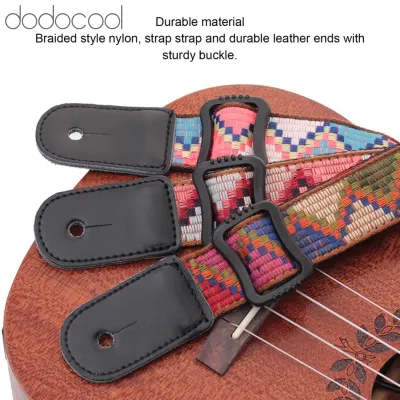
![[SG 🚚] 1Pc Folk Guitar Strap Buckle Leather Belt Guitar Neck Strap Safe Lock Holder For Ukulele Classic Bass Guitar Parts](https://img.lazcdn.com/g/p/858ffb21e5154bf7bfa3720721f21ad3.jpg_400x400q80.jpg_.webp)
Prices are valid at publication and may change. Please refer to the product page for the latest price.
The material properties of leather also make it an excellent long-term investment. Unlike synthetic fibers that can fray or stretch over time, genuine leather becomes more supple with regular use. As you play, the leather absorbs body heat and conforms to the unique contour of your shoulder, creating a personalized fit. This break-in period results in a strap that feels increasingly comfortable the more you practice.
Beyond physical comfort, leather straps offer a classic visual appeal that complements the natural wood grain of traditional ukuleles. Whether your instrument is made of mahogany, koa, spruce, or laminate woods, the organic texture of leather enhances its aesthetic character. For beginners, playing an instrument that looks and feels premium can serve as an extra source of motivation during those challenging early weeks of practice.
Essential Features to Evaluate Before Buying
When shopping for a ukelele leather strap, verifying the material composition is the first step toward ensuring quality. Product descriptions can sometimes be misleading, using terms like “leather style” or “synthetic leather” to describe polyurethane (PU) or polyvinyl chloride (PVC) materials. Genuine leather straps are typically labeled as full-grain, top-grain, or suede. Full-grain leather is the most durable and retains the natural hide texture, while suede offers a softer, brushed finish with excellent grip. If you prefer a vegan alternative, look for high-grade microfiber leather, which mimics the durability of genuine leather without using animal products.

Strap width and padding are critical factors that directly influence your playing comfort. For a lightweight instrument like the ukulele, a strap width of 2.5 to 4 centimeters is generally ideal. Anything wider may feel bulky on a smaller frame, while anything narrower might dig into your shoulder. While standard unpadded leather is usually sufficient for light ukuleles, some players prefer straps with a thin layer of internal padding or a soft suede backing. This backing prevents the strap from sliding too easily, which is particularly helpful if your ukulele is neck-heavy.
The attachment mechanism determines how securely the strap connects to your instrument. The most common design features pre-punched buttonholes at both ends of the strap, which slip over metal or plastic strap buttons installed on the ukulele. If your instrument only has one button at the bottom, you will need a strap that includes a headstock tie—a thin leather lace or button-loop adapter that ties around the neck just above the nut. Alternatively, hook-on or soundhole straps clip onto the edge of the soundhole and run under the body, requiring no permanent hardware installation, though they require you to keep at least one hand on the instrument to prevent it from tipping.
Adjustability is another essential feature to check before finalizing your purchase. A good strap should feature a reliable adjustment system, such as a sliding buckle, a feed-through slot design, or a traditional metal buckle. The adjustment range must be wide enough to accommodate your preferred playing height, whether you are sitting on a stool or standing up. For beginners, a strap that adjusts easily allows you to experiment with different heights until you find the angle that minimizes wrist bend and finger strain.
Matching the Strap to Your Ukulele Size and Posture
Ukuleles come in several standard sizes, and matching your strap to your specific instrument size is vital for ergonomic balance. Soprano ukuleles are the smallest and lightest, weighing very little, which means they require minimal strap width and no heavy padding. For these tiny instruments, a lightweight, flexible leather strap is ideal because it does not add unnecessary bulk. Concert and tenor ukuleles are larger and heavier, meaning they benefit from slightly wider straps that distribute the weight more effectively across your shoulder. Baritone ukuleles, being the largest, have a weight profile closer to an acoustic guitar, making a thicker, padded leather strap highly beneficial.
Before purchasing a strap, inspect your ukulele to identify its existing hardware configuration. Many modern concert and tenor ukuleles come pre-installed with one or two strap buttons. If your instrument has two buttons—one on the bottom bout and one on the neck heel—you can use a standard two-point leather strap. If it has only a bottom button, you will need to use a headstock tie for the upper connection. If your ukulele has no strap buttons at all, you must decide whether to use a non-invasive soundhole hook strap or have a professional install permanent buttons.
Proper strap adjustment directly impacts your playing posture and long-term physical comfort. When adjusting the strap length, aim to position the ukulele at a height where your forearm can rest comfortably on the lower edge of the body while your wrist remains relatively straight when fretting chords. If the strap is too long, the instrument will sit too low, forcing your fretting wrist into an awkward, bent angle that can lead to strain or repetitive motion injuries. Conversely, a strap that is too short can compress your chest and restrict your breathing or strumming arm movement.
Experimenting with your posture while wearing the strap is highly recommended. Try transitioning between sitting and standing positions while keeping the strap at the same length. A well-adjusted strap should keep the ukulele in roughly the same position relative to your torso in both postures. This consistency helps build muscle memory faster, as your arms and hands do not have to adapt to a new instrument position when you stand up to perform or practice.
Sourcing Straps in Singapore and Verifying Quality
Finding the right ukelele leather strap in Singapore involves choosing between visiting local music retail stores and browsing online marketplaces. Visiting a physical store in areas like Bras Basah, Peninsula Plaza, or specialized music shops across the island allows you to feel the leather texture, assess its flexibility, and even test the strap on a similar ukulele model. This hands-on experience is invaluable for beginners who may not yet know what thickness or texture they prefer. You can also seek advice from experienced store staff regarding compatibility and installation.
On the other hand, online marketplaces and specialized e-commerce platforms offer a wider variety of designs, colors, and price points. When shopping online, you must read the product specifications with extra care. Pay close attention to the listed dimensions, especially the minimum and maximum adjustable lengths, to ensure the strap will fit your body frame and instrument size. Look for detailed photos of the stitching and the edges of the leather; clean, double-stitched borders and finished edges are strong indicators of a high-quality strap that will not fray or split over time.
Hardware quality is another critical aspect to verify when purchasing online. Ensure that any buckles, adjustment rings, or rivets are made of durable materials like brass, stainless steel, or heavy-duty plastic. Low-quality metal hardware can rust quickly in Singapore’s humid climate, potentially staining the leather or damaging your instrument’s finish. If the strap uses metal components, check that they are positioned or padded in a way that prevents them from scratching the wood of your ukulele during storage or play.
Finally, always check the seller’s return and exchange policies before completing your purchase. Because leather thickness and buttonhole sizes can vary, there is always a small chance that a strap may not fit your ukulele’s pre-installed buttons or may feel too stiff for your liking. A flexible return policy ensures you can exchange the strap for a more suitable option without losing your investment. When buying from international sellers on online platforms, confirm whether return shipping is covered or if local drop-off options are available in Singapore to avoid high return postage fees.
Frequently Asked Questions (FAQ)
Do I need to install a strap button on my ukulele?
You do not necessarily need to install a strap button to use a strap. Many beginners prefer non-invasive options like headstock tie-on straps, which wrap securely around the neck just above the nut, or soundhole hook straps that clip onto the soundhole without any modification. However, if you prefer the stability of a standard two-point strap, you can have strap buttons installed. If your instrument does not have them, it is highly recommended to consult a professional luthier or a local music store technician in Singapore to perform the installation. Attempting to drill into the delicate wood of a ukulele without proper tools and knowledge can crack the body or damage the internal bracing.
How should I clean and condition a leather strap?
Maintaining a leather strap in Singapore’s warm, humid climate is essential to prevent mold growth and keep the material supple. After every practice session, wipe down the strap with a clean, dry microfiber cloth to remove sweat, body oils, and dust. If the leather gets damp, allow it to air dry completely in a well-ventilated indoor area away from direct sunlight, which can cause the leather to fade and crack. Before applying any commercial leather conditioners or cleaners, always check the manufacturer’s care label. If conditioning is recommended, apply a very small amount of specialized leather cream once or twice a year, ensuring it is fully absorbed before attaching the strap back to your ukulele. Store your strap in a cool, dry place, ideally alongside a silica gel packet to absorb excess moisture.
Community discussion
Share your experience or ask a question. Comments are reviewed before publication.