
Selecting a melodica with keys is an excellent entry point into the world of music. This unique instrument combines the expressive, breath-driven dynamics of a wind instrument with the familiar, logical layout of a piano keyboard. Because it requires no external power source or amplification to produce sound, it serves as a highly portable and accessible tool for learning music theory, ear training, and keyboard geography. For beginners in Singapore, finding the right instrument involves understanding how physical specifications translate to playability and long-term durability.
To make an informed decision, you must evaluate several critical factors, including the number of keys, the physical layout, the quality of internal components, and the ergonomics of the mouthpieces. A well-constructed melodica allows you to produce a clear, resonant tone with minimal breath effort, making early practice sessions much more enjoyable. By focusing on these core elements, you can select an instrument that matches your physical comfort and musical aspirations.
Choosing the Right Key Count and Layout
The number of keys on a melodica directly dictates its octave range, physical size, and the types of music you can comfortably play. The two most common configurations for beginners are 32-key and 37-key models. A 32-key melodica typically covers a range of two and a half octaves, usually starting from the F below middle C. This range is generally sufficient for early childhood music education, basic folk songs, and introductory keyboard exercises. It also keeps the instrument lightweight and compact, which is highly advantageous for younger players or those who plan to travel with their instrument.
Products mentioned in this guide
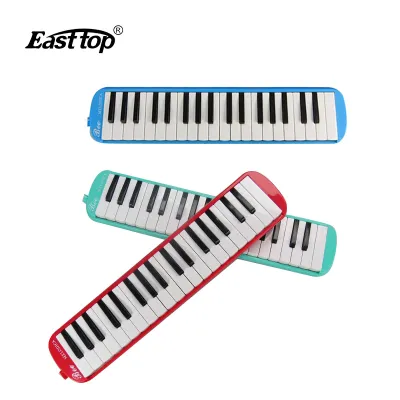

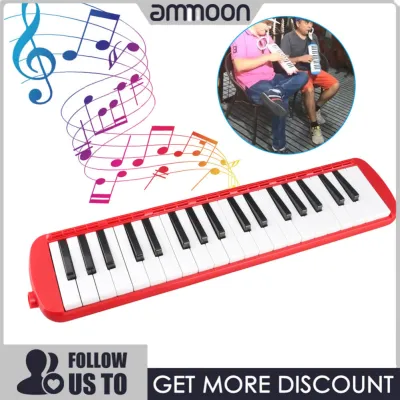
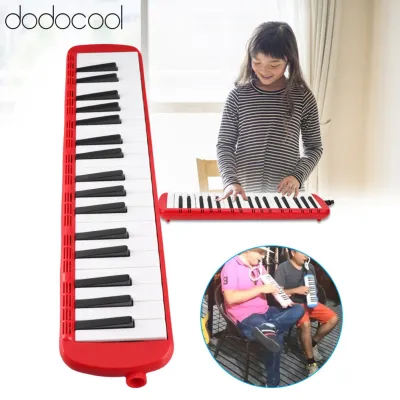

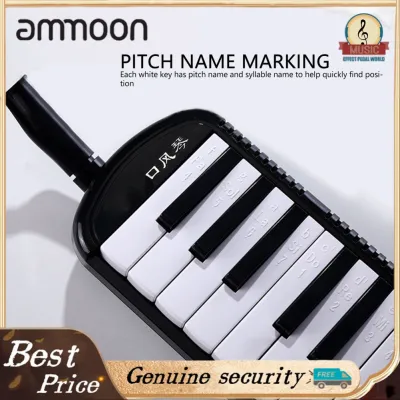

Prices are valid at publication and may change. Please refer to the product page for the latest price.
In contrast, a 37-key melodica extends the range to a full three octaves, adding extra notes on the higher end. This expanded range is highly recommended for adult beginners, older students, or anyone who intends to play classical compositions, jazz standards, or complex pop arrangements. The additional keys prevent you from running out of notes when playing pieces written for standard piano. While a 37-key model is slightly longer and heavier, the added musical versatility often outweighs the minor increase in bulk.
Beyond the key count, the layout of the keyboard is a vital consideration for beginners. Melodicas with piano-style keys are overwhelmingly preferred over button-style layouts for those starting their musical journey. The familiar pattern of alternating black and white keys mirrors the layout of acoustic pianos, synthesizers, and MIDI controllers. This design allows you to build transferable muscle memory, making it significantly easier to transition to other keyboard instruments in the future.
Key size and spacing also play a critical role in playability. Many beginner-focused melodicas feature slightly narrower or shorter keys than a standard acoustic piano. While these mini-keys are excellent for children or individuals with smaller hands, adults may find them cramped at first. It is important to look for models that offer a balanced key spacing that allows for clean finger placement without accidental double-triggering. Additionally, the mechanical action of the keys should feel smooth and responsive, with a consistent spring tension that does not require excessive finger pressure to depress.
Evaluating Build Quality and Ergonomics
The internal construction of a melodica determines both its sound quality and how easy it is to play. At the heart of the instrument are the reeds, which vibrate when air passes over them to produce sound. High-quality, airtight construction is essential to ensure that your breath is directed efficiently across these reeds. If the body of the melodica leaks air through loose seams or poorly fitted joints, you will have to blow much harder to produce a stable tone. This can lead to rapid fatigue, dizziness, and frustration during practice.

When evaluating build quality, pay close attention to the responsiveness of the reeds. A well-made instrument should speak clearly even with a very gentle stream of air, allowing you to practice expressive dynamics such as pianissimo (very soft) and fortissimo (very loud). This responsiveness is particularly important for beginners who are still developing their breath control and lung capacity.
Ergonomics are largely determined by the mouthpiece options included with the instrument. Most melodicas come with two distinct attachments: a short, rigid mouthpiece and a long, flexible tube. The short mouthpiece is designed for playing while holding the instrument with one hand, using the strap on the back for support. This posture is excellent for standing performances or marching, but it limits your view of the keyboard.
The long flexible tube, often called a blowpipe, allows you to place the melodica flat on a table or stand. This setup enables you to play with both hands, much like a traditional keyboard, while keeping the keys fully visible. For beginners, this two-handed posture is highly beneficial for learning proper fingering techniques, scales, and chords. It also reduces strain on your wrists and neck, allowing for longer, more comfortable practice sessions.
Finally, consider the practical value of the included accessories. A sturdy, protective carrying case is essential for safeguarding the instrument from dust, moisture, and physical damage during transport. Hard plastic cases offer the highest level of impact protection, while padded gig bags are lighter and easier to carry on public transit. Look for packages that also include dedicated cleaning cloths and a stable hand strap to enhance your daily playing experience.
Building Your Shortlist by Learner Profile
To narrow down your choices, it is helpful to categorize potential melodicas based on the specific needs, age, and commitment level of the player. By matching the instrument’s specifications to a clear learner profile, you can avoid overspending on unnecessary features or purchasing an instrument that the student will quickly outgrow.
For young children and casual hobbyists, an entry-level 32-key model is often the most practical choice. These instruments are lightweight, easy to hold, and require less air volume to produce a consistent sound. Their compact size fits comfortably on school desks or small play areas, and they are highly portable for music classes. When choosing an instrument for this profile, prioritize models with bright, high-visibility key markings and a highly durable outer shell that can withstand accidental drops.
For older beginners, adults, or students with prior musical experience, a 37-key model is the standard recommendation. This profile benefits greatly from the extended octave range, which accommodates a much wider variety of sheet music and instructional books. Adult learners also tend to prefer the slightly larger key spacing found on 37-key models, as it accommodates larger fingers and allows for more precise chord shapes.
Regardless of the learner’s age, you should carefully examine the materials used in the instrument’s construction. Look for product descriptions that specify high-impact ABS resin for the body. This material is exceptionally durable, resistant to cracking, and easy to clean. For the internal components, look for corrosion-resistant reed materials such as brass or phosphor bronze. Because the interior of a melodica is constantly exposed to moisture from the player’s breath, high-quality reed materials are essential for preventing rust and ensuring the instrument stays in tune over years of regular use.
Pre-Purchase Checks for Online and In-Store Buying
Whether you plan to purchase your melodica from a local music shop in Singapore or an online e-commerce platform, performing a few essential pre-purchase checks will help you avoid common pitfalls. First, always cross-check the manufacturer’s official specifications against the seller’s listing. Verify the exact dimensions, weight, and the list of included accessories. Some low-cost listings may omit the flexible tube or the carrying case to lower the price, forcing you to purchase these essential items separately.
When shopping on general online marketplaces, exercise caution regarding seller reliability. Look for authorized musical instrument dealers or sellers with high ratings and positive customer feedback specifically mentioning the authenticity of the product. Counterfeit melodicas or unbranded replicas often suffer from poor airtightness, out-of-tune reeds, and brittle plastic bodies that crack easily. Reading user reviews can also give you insight into the packaging quality and whether the instrument arrived in good condition.
For buyers in Singapore, regional warranty coverage and local support are highly valuable. Because the local climate is characterized by high humidity, musical instruments are subject to unique environmental stresses. High humidity can accelerate moisture retention inside the melodica, potentially affecting the tuning of the reeds over time. Purchasing from a local retailer or an authorized distributor ensures that you have access to warranty service, replacement mouthpieces, and professional tuning if the instrument requires maintenance.
Frequently Asked Questions (FAQ)
How to Safely Clean and Maintain Your Melodica
Proper maintenance is crucial for keeping your melodica hygienic and in good working order. After every playing session, you must clear the internal moisture that naturally accumulates from your breath. To do this, press and hold the moisture release button (often called the spit valve) located at the bass end of the instrument. While holding the button down, blow firmly through the mouthpiece without pressing any keys. This forces the accumulated condensation out of the valve. You can also gently shake the instrument downward to help clear any stubborn moisture.
To clean the exterior, wipe down the body and keys with a dry, soft microfiber cloth to remove fingerprints and surface oils. Avoid using liquid chemical cleaners, alcohol wipes, or submerging the entire instrument in water. Water can damage the internal paper gaskets, adhesive seals, and delicate reed plates, leading to permanent air leaks and detuning.
If you encounter persistent issues such as sticking keys, internal mold growth, or a key that no longer produces sound, stop playing immediately. Do not attempt to disassemble the key mechanism or bend the reeds yourself, as this can easily ruin the instrument’s tuning. Instead, consult a professional musical instrument technician or contact your local service center for safe, professional repair.
How to Amplify an Acoustic Melodica
Standard beginner melodicas are purely acoustic instruments. They do not feature built-in electronic outputs, quarter-inch jacks, or MIDI capabilities. The sound is produced entirely by air vibrating the physical reeds inside the chamber and escaping through the sound vents on the body.
If you need to amplify your melodica for a live performance, school ensemble, or recording session, you will need to use an external microphone. A common method is to place a standard dynamic vocal microphone on a stand and position it close to the sound vents on the underside or back of the melodica. Alternatively, you can use a small, clip-on instrument microphone designed for wind instruments.
When using a clip-on microphone, always check the physical compatibility of the mounting clip with your melodica’s body. Ensure the clip can securely grip the edge of the instrument without blocking any keys, obstructing the hand strap, or covering the moisture release valve. This setup allows you to move freely while maintaining a consistent volume and tone.
Community discussion
Share your experience or ask a question. Comments are reviewed before publication.