
Choosing the right metronome is not about finding the device with the most features, but rather matching the tool to your instrument’s acoustic volume, your practice environment, and your current learning goals. The ideal device must balance acoustic feedback, portability, and feature complexity against your technical level. Rather than simply picking the most advanced model, the best choice depends on whether you need visual cues for quiet acoustic practice, high-volume audio for loud ensemble rehearsals, or programmable workflows for modern production. By diagnosing your specific practice environment and matching the device to your instrument’s physical setup, you can establish a highly effective and distraction-free practice routine.
Diagnose Your Rhythmic Needs and Skill Level
Before comparing specific models on an ecommerce platform, you must evaluate your current technical requirements and learning preferences. Beginners typically require a straightforward, steady pulse and simple time signatures, such as 4/4, 3/4, or 2/4. At this stage, excessive features can become a distraction rather than an aid. Your primary goal is to internalize a consistent tempo, meaning a basic click or a physical pendulum is often more than sufficient to build a solid foundation.
As you progress to intermediate and advanced repertoires, your rhythmic needs will naturally become more complex. You will likely require a device capable of handling intricate subdivisions, such as triplets, sixteenth notes, and syncopated patterns. For advanced classical pieces, jazz, or progressive contemporary music, you may even need a metronome that supports polyrhythms or allows you to program tempo maps that change mid-song. Identifying these repertoire demands early prevents you from outgrowing your device too quickly.
Products mentioned in this guide
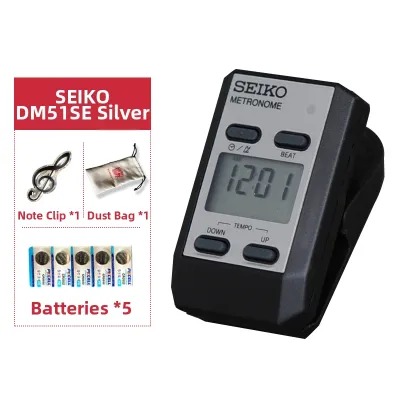
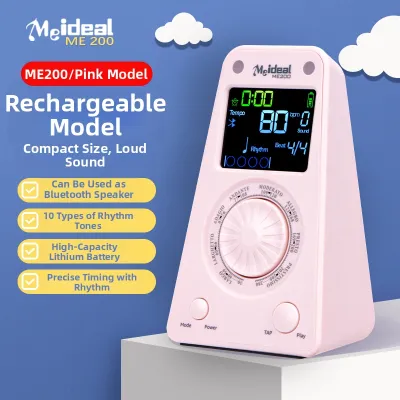



Prices are valid at publication and may change. Please refer to the product page for the latest price.
Another critical factor is your learning style, specifically whether you respond better to visual or auditory cues. Some musicians find the physical sweep of a mechanical pendulum highly intuitive, as it allows them to anticipate the beat visually before the sound occurs. Others prefer a digital screen interface with flashing LED indicators, or rely entirely on a sharp, high-contrast audio click. Understanding how your brain processes timing cues will help you decide between a physical mechanical arm and a digital display.
Finally, consider your physical practice environment. If you live in a shared space, such as a typical high-density HDB apartment in Singapore, practicing with a loud, unadjustable acoustic metronome might disturb family members or neighbors. In these scenarios, a device with a dedicated headphone jack or a silent visual mode is essential. Conversely, if you practice in an isolated music studio or a spacious room where you need to fill the space with sound, a robust built-in speaker with adjustable volume becomes a priority.
Match the Metronome Type to Your Instrument
The physical and acoustic properties of your instrument dictate which metronome format will serve you best. Different instruments require different levels of volume, distinct visual angles, and varying degrees of portability.

Mechanical Metronomes
Mechanical metronomes are the traditional choice and remain highly favored for acoustic instruments like the piano, classical guitar, or orchestral strings. These wind-up devices use a physical pendulum to indicate tempo, providing an organic, woodblock-like click that blends naturally with acoustic tones. The primary advantage is the visual anticipation offered by the swinging pendulum, which helps players time their attacks without staring at a bright digital screen. Because they require no batteries or cables, they are highly reliable for stationary home practice. However, they are sensitive to uneven surfaces and tropical humidity, which can affect the internal spring mechanism over time. If you choose a mechanical model in Singapore, ensure it is kept on a level surface away from direct air conditioning drafts or high-humidity zones.
Digital Hardware Metronomes
Digital hardware metronomes are highly versatile, rugged, and portable, making them the ideal choice for loud or ensemble instruments. If you play the drums, brass, or electric woodwinds, you will need a device that can cut through high acoustic volume. Digital units often feature dedicated volume knobs, high-output speakers, and physical headphone jacks to deliver a clear, piercing click directly to your ears or headphones. They are compact enough to toss into a gig bag without worrying about damaging delicate internal pendulums. Many digital models also include physical buttons or jog dials that allow for rapid tempo adjustments during rehearsals, making them highly practical for live band settings or music classrooms.
App-Based Metronomes
App-based metronomes leverage the processing power of your smartphone or tablet, making them exceptionally suited for tech-integrated workflows and modern music production. If you regularly practice with backing tracks, record into a digital audio workstation, or use digital sheet music on a tablet, an app-based metronome integrates seamlessly into your digital ecosystem. These apps often provide highly advanced programmable features, allowing you to save complex setlists, automate tempo increases for speed training, and synchronize with other devices via MIDI. They are also highly convenient for silent practice with wireless or wired earphones. However, using a smartphone introduces potential distractions from notifications and requires careful management of device settings to prevent interruptions during your practice session.
Verify Essential Features Before You Buy
Once you have decided on the general format, you should verify several essential specifications and physical attributes before making a final purchase. Checking these details ensures the device will integrate smoothly into your daily routine.
First, examine the tempo range and subdivision capabilities. Most standard metronomes cover a range from 40 to 208 beats per minute, which is sufficient for the vast majority of classical and contemporary music. However, you should verify that the device allows you to customize accents on the first beat of a measure and offers subdivisions like eighth notes, triplets, and sixteenth notes. If you are practicing complex classical etudes or technical drum rudiments, having these subdivisions clearly articulated is vital for precision.
Second, evaluate the audio output options and sound quality. A metronome’s tone should be distinct but not grating. Look for devices that offer adjustable volume levels and, if possible, a choice of click sounds. If you plan to use headphones, verify the physical jack size and check for any potential latency issues. While wired connections offer zero latency, some Bluetooth-enabled metronomes or apps may introduce a slight delay between the visual cue and the audio output, which can disrupt your timing.
Third, consider the power source and overall build durability. Mechanical metronomes rely on wind-up spring mechanisms, which require no external power but must be wound regularly. Digital hardware units typically run on replaceable AAA or AA batteries, though some modern models feature rechargeable lithium-ion batteries via USB-C. If you travel frequently for lessons or gigs, a USB-rechargeable model or one with long battery life is highly convenient. Additionally, inspect the casing material; a sturdy plastic or wooden housing is necessary to withstand the bumps and drops of regular transport in a backpack or instrument case.
Frequently Asked Questions (FAQ)
Do I need a metronome with a built-in tuner?
Combination devices that feature both a metronome and a chromatic tuner in a single unit are highly popular among gigging musicians, brass players, and string players. The primary benefit is convenience; carrying one compact device in your instrument case saves space and simplifies your setup. However, you should weigh this convenience against the specialized performance of dedicated standalone units. Standalone tuners often feature larger, more precise displays and specialized pitch detection algorithms, while dedicated metronomes may offer more intuitive physical dials for rapid tempo changes. Additionally, using a combination device means you cannot easily view a large tuner display and a complex metronome interface simultaneously. If you require high-precision tuning and advanced rhythmic subdivisions at the same time, investing in separate, dedicated devices is often the more practical choice.
Can I just use a free smartphone app instead of buying a physical metronome?
While free smartphone apps are highly accessible and convenient for quick practice sessions, they come with several practical limitations that can hinder a focused practice routine. The most common issue is screen timeout and power management; many phones will dim or lock the screen after a period of inactivity, interrupting your visual cues. Furthermore, incoming notifications, text messages, or phone calls can duck or completely mute the metronome audio, breaking your concentration. There can also be minor audio routing delays when using wireless Bluetooth headphones, which can throw off your synchronization. A dedicated physical metronome provides instant, tactile reliability with no digital distractions, ensuring that your practice time remains entirely focused on your instrument.
Community discussion
Share your experience or ask a question. Comments are reviewed before publication.