
Starting your financial journey in Singapore requires more than just general advice on saving and investing. While global personal finance classics offer excellent foundational mindsets, they often fall short when it comes to navigating the unique financial landscape of Singapore. To build a truly effective financial plan, you need a money book that addresses local statutory systems, housing markets, and tax structures. Choosing the right guide involves evaluating how well a book translates universal wealth-building principles into actionable steps tailored to the local regulatory environment.
Why Local Context Matters in Personal Finance Books
In many Western personal finance books, authors emphasize foreign retirement accounts, specific tax-advantaged investment vehicles, or index funds tied to overseas tax codes. In Singapore, your primary retirement and social security pillar is the Central Provident Fund (CPF). A book written for a global audience will not explain how your Ordinary Account, Special Account, and MediSave Account accumulate interest, nor will it guide you on how to balance these accounts for long-term growth.
Public housing is another area where international advice diverges from local reality. Purchasing a Housing & Development Board (HDB) flat involves specific eligibility schemes, grant structures, and loan options that do not exist elsewhere. A foreign finance book might advise you to avoid property debt entirely or suggest mortgage strategies that do not align with HDB concessionary loans or the use of CPF Ordinary Account funds for monthly installments.
Products mentioned in this guide
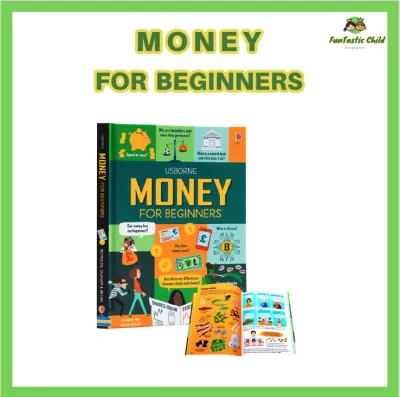
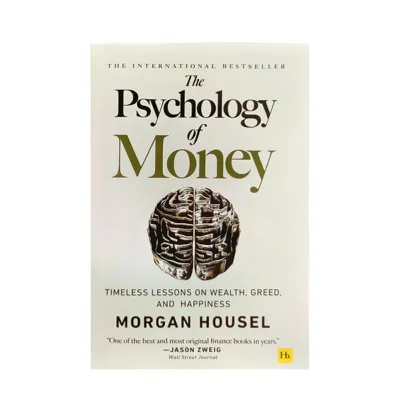
Prices are valid at publication and may change. Please refer to the product page for the latest price.
Singapore’s progressive income tax system, tax relief schemes, and mandatory healthcare frameworks also require specialized knowledge. Local books help you understand how the Supplementary Retirement Scheme (SRS) can lower your taxable income while building wealth. They also demystify local healthcare financing, explaining how MediShield Life interacts with private Integrated Shield Plans to protect you from catastrophic medical bills without overpaying for redundant coverage.
Core Topics to Look for in a Singapore-Focused Money Book
A practical money book for beginners must address budgeting within the context of Singapore’s cost of living. While public transportation and hawker centers offer affordable daily options, expenses like private vehicle ownership and private housing can quickly derail a standard budget. Look for books that provide realistic cash flow frameworks designed for local salary ranges and lifestyle expectations.

Understanding how to optimize your statutory savings is a cornerstone of local financial planning. A comprehensive guide should explain CPF contribution rates, which vary by age, and how to leverage voluntary top-ups or the CPF Investment Scheme. It should teach you how to make informed decisions about transferring funds from your Ordinary Account to your Special Account to capture higher risk-free interest rates.
Navigating the local insurance landscape is often overwhelming for beginners. A high-quality book will break down the essential coverage you need, such as term life insurance, critical illness plans, and CareShield Life for long-term disability. It should guide you on how to assess your coverage gaps without falling prey to high-commission products that may not align with your financial goals.
Finally, the book must introduce you to local and international investment avenues accessible from Singapore. This includes understanding the Singapore Exchange (SGX), utilizing local brokerage platforms, and evaluating low-risk options like Singapore Savings Bonds and Treasury bills. It should also cover tax-efficient investing strategies, helping you build a diversified portfolio that balances local stability with global growth.
How to Evaluate and Select Your First Money Book
Financial regulations, tax brackets, and CPF policies in Singapore undergo periodic updates. When selecting a money book, always check the publication date and edition. A book published a decade ago may contain outdated information regarding CPF interest rates, HDB loan-to-value limits, or tax relief caps. Prioritize recent editions or books that have been updated to reflect current statutory rules.
Consider how you prefer to consume information. If you choose an e-book or audiobook, verify that the file format is compatible with your e-reader or mobile device. Some local publications feature complex tables, charts, and worksheets that are easier to study in a physical paperback format rather than on a small digital screen. Ensure the format you select supports your learning style.
Before purchasing, review the table of contents to confirm the book covers specific local topics rather than generic financial advice. Look for dedicated chapters on CPF, HDB financing, local tax planning, and Singapore-specific investment tools. If the table of contents relies heavily on broad, non-specific terms without local context, it may not provide the practical depth you need.
To ensure you receive a complete, high-quality edition, purchase your book from authorized sellers, reputable local bookstores, or official online publishers. Avoid purchasing unauthorized digital copies or poorly scanned versions from unverified sellers on online marketplaces. These unauthorized copies often contain formatting errors, missing pages, or outdated content that can compromise your learning experience.
Building Your Beginner Financial Reading Plan
Begin your financial reading plan by focusing on books that address mindset, basic budgeting, and debt management. This initial phase is about establishing healthy financial habits, tracking your monthly expenses, and eliminating high-interest debt. Look for introductory chapters that help you understand your relationship with money and set realistic, measurable financial goals.
Once you have established a solid foundation, transition to books that explain local safety nets and statutory savings. This phase involves learning how to optimize your CPF accounts, size your emergency fund appropriately for Singapore’s living costs, and secure essential insurance coverage. Understanding these protective measures ensures you are financially resilient before you begin investing.
The final phase of your reading plan should focus on wealth accumulation and investing. Seek out books that introduce portfolio diversification, asset allocation, and the mechanics of local and global markets. Learn how to balance low-risk assets like Singapore Savings Bonds with higher-yield investments to build a sustainable, long-term portfolio.
To get the most out of your reading, actively apply the concepts to your personal financial tracking. Create a spreadsheet to model your CPF allocations, calculate your net worth, or map out your HDB purchase timeline based on the book’s guidance. Treating your financial reading as an interactive study guide will help you turn theoretical knowledge into practical financial security.
Frequently Asked Questions (FAQ)
Are international personal finance bestsellers still useful for Singaporean beginners?
Yes, international bestsellers remain highly valuable for developing a strong financial mindset, understanding the psychology of spending, and learning universal investing principles like compound interest and diversification. However, they should be paired with local guides. While a global book can inspire you to save, it cannot teach you how to utilize your CPF accounts, navigate HDB housing grants, or optimize your tax liabilities under Singapore’s regulatory framework.
Where can I find reliable reviews for Singapore-specific money books?
You can find reliable reviews by exploring local financial blogs, community forums, and public library catalogs. Look for reviews written by local readers who discuss how effectively the book’s advice applies to real-world scenarios in Singapore. Additionally, checking the curated personal finance sections of major local bookstores or national library platforms can help you identify well-regarded titles that are highly relevant to beginners.
Community discussion
Share your experience or ask a question. Comments are reviewed before publication.