
Selecting the right music note stand is a foundational step for establishing a comfortable and focused practice environment. A poorly chosen stand can lead to neck strain, poor posture, and constant distractions from slipping pages or wobbling trays. Rather than simply picking the cheapest or most popular option, the best choice depends heavily on your specific practice routine, the instruments you play, and your physical setup. This guide will help you evaluate your needs, understand the structural differences between stand types, and identify the key features to check before making a purchase, ensuring your equipment supports your musical growth rather than hindering it.
Identify Your Practice Environment and Needs
To find the ideal music note stand, start by analyzing where and how you practice. If your instrument remains in a dedicated home studio or a specific corner of your living room, a heavy, permanent stand is often the most practical choice. Conversely, if you regularly commute to music lessons, participate in community ensembles, or perform at various venues, portability becomes your primary requirement. A stand that is too heavy to transport will quickly become a burden, while a flimsy stand used in a windy outdoor setting can lead to interrupted performances and damaged sheet music.
Next, consider the physical format of your reading material. Musicians who rely on single-sheet printouts or lightweight digital tablets have different structural needs than those who study from thick, heavy music textbooks, anthologies, or multi-page binders. A lightweight stand may buckle or tip over under the weight of a heavy hardcover anthology, whereas a heavy-duty orchestral stand might be unnecessary if you only read from a slim tablet.
Products mentioned in this guide
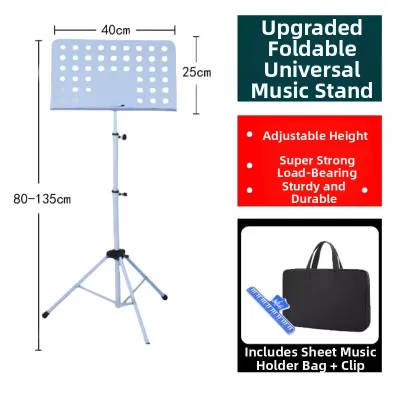
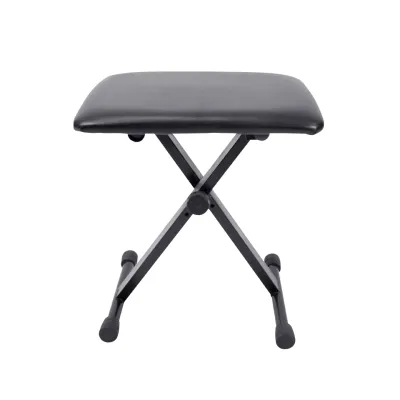
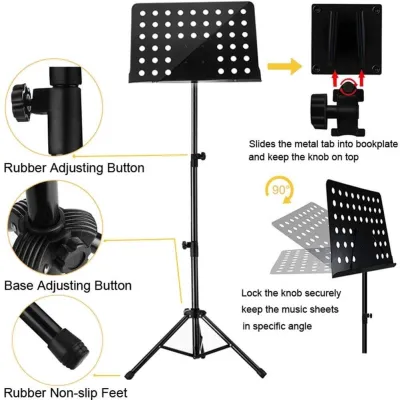
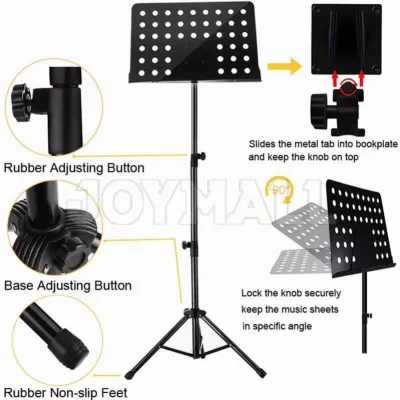

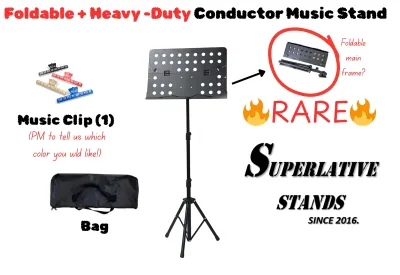
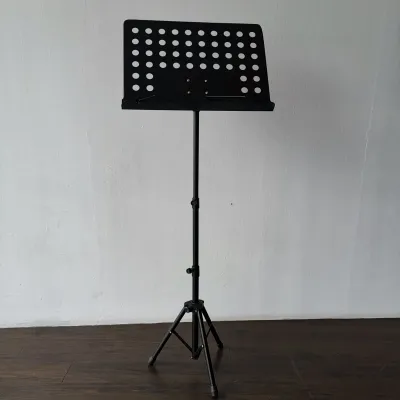
Prices are valid at publication and may change. Please refer to the product page for the latest price.
Finally, your physical playing posture dictates the height and adjustment range your stand must support. A cellist or classical guitarist practicing in a seated position requires a stand that can lower significantly to maintain a natural line of sight without blocking the view of their hands or instrument. A singer, violinist, or flute player practicing while standing needs a telescoping shaft that extends high enough to keep the music at eye level, promoting proper spinal alignment and open airways. Measure your preferred playing height from the floor to your eye level before shopping to ensure any candidate stand can comfortably accommodate your posture.
Types of Music Stands and Who They Suit Best
Music stands generally fall into three primary categories: highly portable folding designs, robust fixed-base tripod stands, and specialized low-profile or desktop models. Each category addresses distinct practice environments and physical constraints. The foundational difference lies in how the base is constructed, which directly impacts the overall stability, weight distribution, and the amount of floor space the stand occupies during a practice session.

Folding and Portable Stands for Traveling Musicians
Collapsible folding stands are the traditional choice for students, gigging musicians, and anyone with limited space. These stands typically feature a wire tray that folds down parallel to a telescoping shaft, allowing the entire unit to fit into a compact carrying bag. Their lightweight construction makes them exceptionally easy to pack into a backpack or carry on public transit. For outdoor rehearsals or casual practice sessions on the go, a portable stand offers unmatched convenience.
However, this portability comes with inherent trade-offs in stability and load capacity. The thin metal legs and wire construction are susceptible to wobbling, especially on uneven surfaces or when subjected to light drafts. They are generally not designed to support heavy binders or large tablets safely. Before purchasing a portable model, it is essential to inspect the locking mechanisms and joint tension on the telescoping poles. High-quality portable stands utilize sturdy friction locks or screw-tightened collars that prevent the shaft from sliding down under the weight of your music.
Fixed and Tripod Stands for Home Studios
For dedicated practice spaces, home studios, or formal rehearsal rooms, a fixed or heavy-duty tripod stand is the standard recommendation. These stands feature solid, non-folding metal trays and thick, weighted shafts that provide superior stability. They are engineered to hold heavy music binders, thick reference books, and large digital tablets without any risk of tipping or shaking when you turn pages.
The primary trade-off with a fixed stand is its physical footprint and lack of portability. The solid tray does not fold, meaning the stand requires a permanent or semi-permanent spot in your room. The base, whether a heavy cast-iron disc or a wide-spreading tripod, occupies significant floor space that cannot be easily cleared without moving the entire unit. These models are designed for long-term durability and steady performance rather than daily disassembly and travel.
Desktop and Low-Profile Stands for Specific Instruments
Certain instruments and practice setups do not require a full-height floor stand. Keyboardists, pianists, synthesists, and some percussionists often benefit from desktop or low-profile stands. These compact units sit directly on top of a piano shell, a desk, or a table, bringing the sheet music closer to the player’s natural line of sight without occupying valuable floor space.
Low-profile designs are particularly useful for preventing obstructions. In a tight home studio setup, a standard floor stand might interfere with the keys, pedals, or structural elements of your instrument. A desktop stand keeps the music securely positioned while ensuring your hands and arms have complete freedom of movement. They are also highly effective for musicians who use digital audio workstations and need to reference notation while working at a computer desk.
Key Features to Check Before You Buy
When comparing different music note stands, focusing on specific structural details will help you avoid common purchasing mistakes.
Tray Dimensions and Lip Design
The tray is the platform that supports your music, and its dimensions must match your reading materials. Look for a tray width that comfortably supports standard sheet music without letting the edges droop. The depth of the bottom lip is equally critical; a shallow lip of less than two centimeters may fail to hold thick books open, while a deeper lip of three to four centimeters easily accommodates bulky binders. Some trays also feature built-in spring clips or retaining wires, which are invaluable for holding pages flat and preventing them from flipping unexpectedly.
Height and Angle Adjustability
A versatile stand must offer smooth, reliable adjustments. Verify the minimum and maximum height specifications to ensure the stand fits both your seated and standing practice routines. The tilt mechanism of the tray is another critical point; it should allow you to adjust the viewing angle precisely to reduce glare from overhead lights. Ensure the tilt joint locks securely in place; a weak tilt mechanism will gradually droop under the weight of a heavy book, forcing you to constantly readjust it during practice.
Material and Build Quality
The materials used in construction dictate both the lifespan of the stand and its daily usability. While plastic trays are lightweight and resistant to denting, they can crack if dropped or subjected to heavy impacts. Solid steel or aluminum trays offer maximum durability but add to the overall weight of the stand. Pay close attention to the joints and connection points; metal-on-metal connections generally last much longer than plastic collars, which can wear down or crack over time under regular tightening pressure.
Knob and Tension Controls
The knobs and levers used to adjust the height and angle of your stand are high-wear components. Look for ergonomic knobs that are easy to grip and turn smoothly without requiring excessive force. Avoid stands with cheap plastic knobs that feel flimsy or have loose threads, as these are prone to stripping. High-quality stands often feature clutch-style adjustment systems or heavy-duty metal thumbscrews that provide a secure lock with minimal effort, ensuring the stand remains at your desired height throughout long practice sessions.
Matching the Stand to Your Musician Level
Your investment in a music note stand should align with your current skill level, budget, and long-term musical goals.
Beginners
For those just starting their musical journey, a budget-friendly, lightweight folding stand is often the most sensible starting point. These stands typically cost between S$15 and S$30, making them an affordable entry point that does not require a significant financial commitment. They provide sufficient stability for standard sheet music and thin method books, allowing beginners to focus on developing proper posture and basic playing techniques without a complex setup.
Intermediate Players
As you progress, your practice materials often become heavier and your routines more demanding. Intermediate players who practice regularly at home and occasionally travel for lessons or rehearsals should look for upgraded materials. A mid-range stand, often priced between S$40 and S$80, typically features a sturdier tripod base, a solid or semi-solid tray, and more reliable locking mechanisms. This level of stand comfortably supports heavier anthologies and digital tablets, offering a balance of stability and moderate portability.
Advanced and Professional Musicians
For professionals, music teachers, and advanced students, a heavy-duty, professional-grade stand is a necessary tool of the trade. These stands, which can range from S$90 to over S$150, are built to withstand daily, rigorous use in studios, classrooms, and on stage. They offer maximum stability, precise adjustments, and compatibility with professional accessories such as clip-on LED lights, pencil holders, and dedicated tablet mounts. Investing in a high-quality stand at this level ensures reliable performance and eliminates the distraction of equipment failure during critical rehearsals or performances.
Setup and Maintenance Tips for Longevity
Proper care and handling can significantly extend the lifespan of your music note stand, regardless of its price point.
Always loosen the adjustment knobs or tension collars completely before changing the height or angle of the stand. Forcing the telescoping poles or tilting the tray while the locks are engaged will quickly strip the internal threads, scratch the metal finish, and bend the structural components. A gentle, patient approach to adjustments prevents premature wear and keeps the locking mechanisms functioning smoothly.
Regularly inspect and tighten the base joints and screws, particularly on folding models that experience frequent movement. The vibrations from transport and regular setup can cause small screws to loosen over time. Keeping a small screwdriver or hex key in your instrument case allows you to perform quick maintenance checks and prevent parts from falling off and becoming lost.
Store your stand in a dry, climate-controlled environment to prevent rust and corrosion on metal parts. If a joint or telescoping section becomes stuck, avoid using excessive force or heavy tools to pry it open. Instead, consult the manufacturer’s instructions for safe release methods, or apply a small amount of silicone-based lubricant to the stuck joint to restore smooth movement.
Frequently Asked Questions (FAQ)
Can I use a folding stand for heavy textbooks?
Most standard folding wire stands are engineered specifically for lightweight sheet music, thin booklets, or compact digital tablets. They generally lack the structural rigidity and base weight required to support heavy music textbooks or thick binders safely. Placing a heavy book on a lightweight folding stand shifts the center of gravity upward, making the stand highly susceptible to tipping over and potentially damaging your instrument or the book itself. If your practice routine regularly involves heavy reference books, it is highly recommended to use a solid-tray fixed or heavy-duty tripod stand designed to handle larger loads.
How do I stop my sheet music from slipping off the tray?
If your sheet music frequently slips or blows off the tray, start by adjusting the tilt angle of the tray to a slightly more upright position, which helps keep the pages flat against the backing. For outdoor practice or drafty rooms, using magnetic clips, elastic page bands, or built-in spring page holders is highly effective. You can also place a thin, non-slip silicone mat on the tray surface to increase friction. If you regularly struggle with slipping pages, upgrading to a stand with a deeper bottom lip or integrated page retainers will provide a permanent solution.
Community discussion
Share your experience or ask a question. Comments are reviewed before publication.