
Selecting the right music score book folder is a critical yet often overlooked decision that directly impacts your performance flow, comfort, and presentation. The ideal folder acts as a seamless bridge between your sheet music and your instrument, ensuring that pages turn silently, stay secure under various environmental conditions, and remain highly legible. Because different instruments and performance settings demand distinct physical layouts, finding the right match requires evaluating how you hold your music, where you perform, and how much repertoire you need to carry.
For wind and string players, hands-free stability is paramount, as any sudden page slip can disrupt a performance. Vocalists, on the other hand, require lightweight folders with integrated hand straps to prevent fatigue during long choral sets. Pianists and keyboardists need folders that can lie completely flat on a wide music desk without springing shut. By analyzing these physical demands alongside your typical performance environments, you can select a folder style that supports your musicianship rather than hindering it.
Core Criteria for Selecting a Music Score Book Folder
Your physical playing posture is the primary factor dictating your folder choice. If you play an instrument that requires both hands at all times, such as the violin, flute, or clarinet, you cannot afford to struggle with stubborn pages that refuse to stay open. Your folder must sit securely on a music stand and hold the sheets flat without manual intervention. Conversely, choral singers who must hold their music at eye level for extended periods need to prioritize lightweight materials and ergonomic designs, such as folders equipped with bottom hand straps or thumb rings that reduce wrist strain.
Products mentioned in this guide
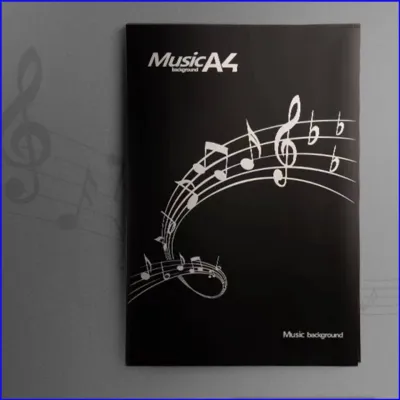
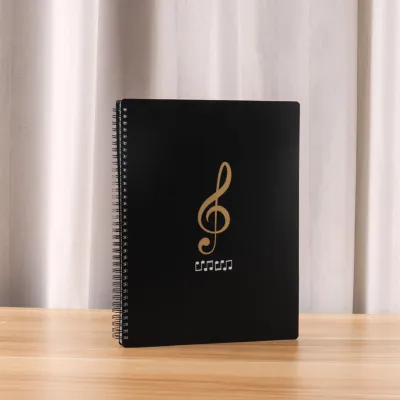
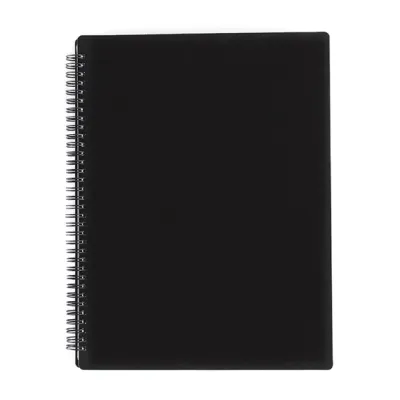
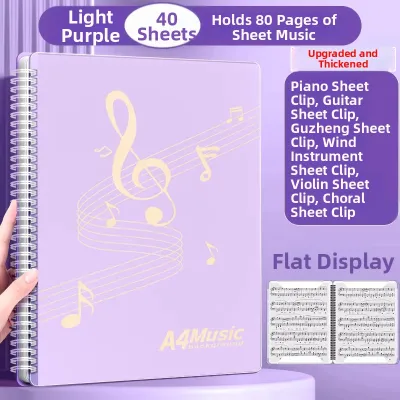
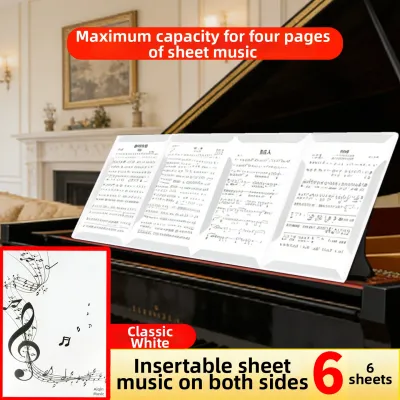
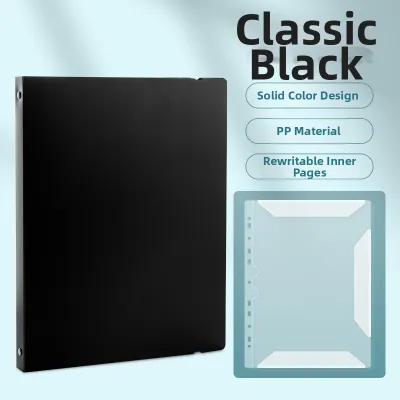
Prices are valid at publication and may change. Please refer to the product page for the latest price.
Performance environments introduce external variables that can quickly compromise a performance if your folder is poorly suited to the venue. In dimly lit orchestra pits or under harsh stage spotlights, standard plastic sheet protectors can create a blinding glare, making it nearly impossible to read the notes. Outdoor performances, such as garden weddings or community band concerts, introduce the risk of wind gusts that can blow loose sheets away. In these scenarios, you need specialized folders with secure retaining bands, weighted edges, or heavy-duty clips to keep your music intact.
Portability and storage limits also play a significant role in your decision, especially for commuting musicians and students. If you travel frequently by public transit or carry multiple instruments, a bulky, rigid binder may not fit comfortably into your instrument case or backpack. In tropical or highly humid climates like Singapore, paper scores can easily warp or absorb moisture if left unprotected. Choosing a folder with a water-resistant exterior and a slim profile helps safeguard your music during daily commutes while keeping your load manageable.
Comparing Folder Styles by Instrument and Setting
Different folder styles offer distinct structural advantages and trade-offs. Understanding the mechanics of each design allows you to choose a format that aligns with your specific performance and organizational needs.

Binders and Ring Folders
Traditional ring-bound folders are highly versatile for organizing large collections of sheet music. They are particularly well-suited for pianists, choral vocalists, and music students who need to add, remove, or reorder pages frequently. The ring mechanism allows you to customize your repertoire order easily, making them excellent for weekly lessons or church services where the musical lineup changes constantly.
However, binders come with notable trade-offs. They tend to be bulkier and heavier than other styles, which can cause fatigue during long choral performances. The metal rings can also produce distracting clicking noises when pages are turned, which is highly undesirable in quiet concert halls or recording studios. Furthermore, if the spine is too rigid or the rings are too large, the folder may not lie completely flat on a music stand, causing the pages to spring back or slide.
When evaluating a ring folder, check the ring diameter and shape; D-rings often allow pages to lie flatter than standard round rings. Look for a flexible spine that allows the folder to open a full 180 degrees without resistance. It is also beneficial to choose models with interior pockets on the front and back covers to hold loose lead sheets, programs, or pencils.
Portfolios and Gig Bags
Portfolios are flat, streamlined cases designed primarily to transport loose sheets, bound books, or existing folders safely. They are highly favored by session players, gigging musicians, and traveling professionals who need to keep their music pristine and uncreased while commuting between studios and venues.
While portfolios excel at protection and transport, they generally lack built-in stand support. You cannot easily play directly from a closed portfolio; instead, you must remove the music or place the entire open case onto a sturdy music stand. If the portfolio lacks internal securing mechanisms, loose pages can easily slide around, slide out when the case is opened, or become disorganized during transit.
Before purchasing, verify the reliability of the closure mechanism. Heavy-duty zippers or secure snap buttons are essential for keeping your music contained. Look for durable, weather-resistant exterior materials like high-density nylon or treated canvas, and ensure the handles or shoulder straps are comfortable and securely stitched to the body of the portfolio.
Accordion and Expanding Folders
Accordion and expanding folders feature multiple partitioned pockets, making them the ultimate organizational tool for music teachers, conductors, and ensemble directors. If you manage an extensive, varied repertoire or teach multiple students throughout the day, these folders allow you to categorize sheet music by genre, difficulty level, instrument part, or performance order.
Despite their organizational power, expanding folders are not designed for direct performance use. When fully loaded with hundreds of sheets of paper, they become extremely heavy and bulky. Their thick, wedge-like shape makes them highly unstable on standard folding music stands, and retrieving a specific piece of music quickly during a live performance can be cumbersome.
When shopping for an expanding folder, count the number of pockets to ensure they meet your organizational needs. Check for a robust tab labeling system that allows you to identify sections at a glance. Additionally, verify the strength of the elastic band or plastic buckle closure, as it must withstand the tension of a fully expanded folder without snapping open.
Stand-Mounted and Clip Folders
Stand-mounted and clip folders are designed specifically for active, hands-free performance. Featuring rigid backboards and integrated clips, tension bands, or magnetic strips, these folders hold sheet music firmly in place. They are highly recommended for wind, brass, and string players who perform on stage, in marching bands, or in outdoor settings where wind is a constant factor.
The primary trade-off of clip folders is their limited storage capacity. They are designed to hold only a few sheets or a single piece of music at a time, making them unsuitable for musicians who need to carry an entire season’s worth of repertoire. Additionally, the rigid, non-folding boards can be awkward to pack into standard backpacks or smaller instrument cases.
When choosing a clip folder, test the clip tension to ensure it holds paper securely without tearing or leaving deep indentations. Verify that the backing board is rigid enough to support the paper when it overhangs the edges of a music stand. Finally, ensure the bottom edge of the folder fits securely on the lip of your specific music stand without sliding off.
Essential Features to Verify Before Purchasing
To ensure your music score folder performs reliably on stage and in the practice room, there are several key technical specifications and build quality details you should verify before making a purchase.
First, pay close attention to dimensions and paper compatibility. While standard A4 and US Letter sizes are common for student pieces and pop sheet music, classical and orchestral scores are often printed on oversized paper (such as 9×12 inches or 10×13 inches). A standard office-sized folder will cause the edges of these larger scores to bend, crease, or overhang, which can lead to damage and make page turns difficult. Always measure your largest scores and compare them against the folder’s internal dimensions.
Second, evaluate the surface finish of any plastic sleeves or pockets. Glossy plastic sleeves reflect overhead stage lights and reading lamps, creating a harsh glare that can obscure notes and cause eye strain during long rehearsals. Look for folders featuring matte-finished, non-glare sleeves. Alternatively, consider “band-style” folders that use top and bottom retaining bands rather than full plastic sleeves; these hold the paper securely while leaving the center of the page exposed, allowing you to make quick pencil annotations during rehearsals without removing the sheet.
Third, examine the page-turning mechanism. Smooth, silent page turns are critical during live performances and recordings. Folders with fold-flat spines, spiral bindings, or specialized plastic sleeves that allow pages to lie completely flat are highly desirable. Avoid folders with stiff, cheap plastic spines that resist being opened, as they can cause the folder to spring shut unexpectedly mid-performance. Magnetic closures can also be useful for keeping pages flat, provided they do not make noise when opened.
Matching Your Folder to Specific Performance Scenarios
To build your final shortlist, consider the primary environment where you will be using the folder. Matching the folder’s design to your specific performance scenario ensures a seamless experience on stage.
In orchestral and ensemble settings, visual uniformity and silence are paramount. Most orchestras require musicians to use low-profile, matte black folders that blend in with the rest of the ensemble. For these settings, prioritize a sleek, non-reflective black folder with matte sleeves or retaining bands that allow for silent page turns. Ensure the folder has a pencil holder, as making quick markings during rehearsals is a standard requirement.
For outdoor gigs, festival stages, and touring, weather resistance and security are your top priorities. Look for folders made from durable, water-resistant plastics like polypropylene or heavy-duty treated fabrics. Secure closures, such as zippers or robust elastic bands, are essential to prevent wind from catching your music or rain from ruining your scores. A rigid backing board is also highly beneficial for outdoor performances where you may not have access to a heavy-duty music stand.
For daily practice, private lessons, and teaching, prioritize high capacity, organization, and durability. A sturdy ring binder or a multi-pocket expanding folder is ideal for handling constant daily use, frequent page changes, and heavy pencil markings. Look for folders with integrated pockets for loose notes, business cards, and metronomes, ensuring that all your essential practice tools remain in one organized place.
Frequently Asked Questions (FAQ)
Can I use a standard office binder for sheet music?
While a standard office binder is an inexpensive option, it often falls short for serious musical use. Office binders typically have rigid, bulky spines that prevent them from laying completely flat on a music stand, which can cause the binder to slide off or the pages to turn prematurely. Additionally, standard plastic sheet protectors reflect stage lights, creating glare, and the metal rings can make distracting clicking noises during quiet performances. Dedicated music folders are designed with flexible spines, matte sleeves, and silent mechanisms to avoid these issues.
How do I keep pages from falling out of a portfolio folder?
To secure loose sheets in a flat portfolio, look for designs that include built-in corner straps, elastic bands, or internal clear sleeves. If your portfolio does not have these features, you can use low-tack artist tape or lightweight plastic clips to secure the pages to the backing board. Alternatively, placing your sheet music inside a slim, multi-page insert booklet before sliding it into the portfolio can keep your scores organized and prevent individual sheets from slipping out during transport or performance.
Community discussion
Share your experience or ask a question. Comments are reviewed before publication.