
Protecting your home’s flooring while supporting your first piano is a critical step in setting up your musical space. Acoustic pianos are exceptionally heavy instruments, often concentrating hundreds of kilograms of pressure onto tiny metal wheels. Without proper protection, these wheels can easily gouge hardwood, crack ceramic tiles, or leave permanent indentations in carpets and vinyl.
Piano caster cups solve this problem by distributing the instrument’s weight over a much larger surface area. Choosing the right set requires matching the cup’s inner diameter to your piano’s wheel size, verifying the weight capacity, and selecting a base material compatible with your specific floor type. Taking the time to select the correct caster cups ensures your instrument remains stable and your home’s flooring stays pristine.
Assess Your Piano's Caster Size and Weight Capacity
Before browsing online marketplaces or visiting local music shops, you must determine the physical dimensions and weight of your instrument. Acoustic pianos vary wildly in weight, and their wheels, or casters, come in several different configurations. Measuring these components accurately prevents the frustration of purchasing cups that are either too small to accommodate the wheels or too weak to support the load.
Products mentioned in this guide
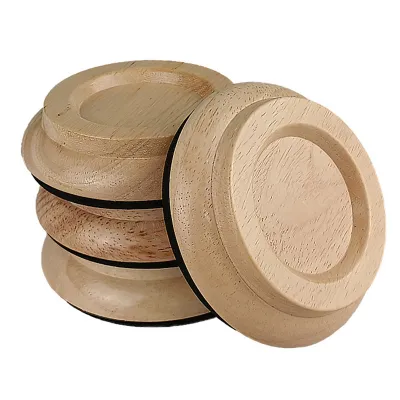
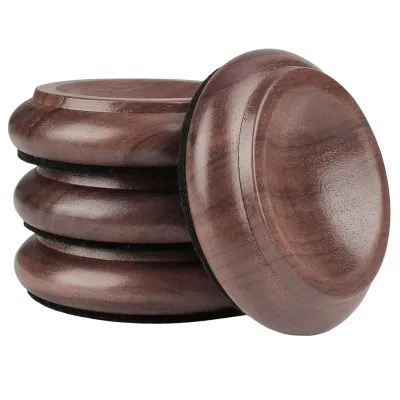
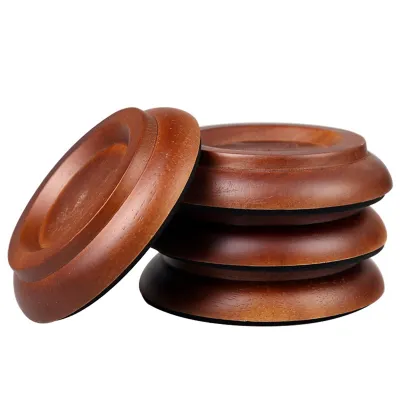
![[Big-promotion] Caster Cups Non-Slip Foot Pads for Hardwood Floors Upright Piano Wheel Protectors 4 Pieces](https://img.lazcdn.com/g/p/c12561cd117afa038dbfe4ec0306a020.jpg_400x400q80.jpg_.webp)
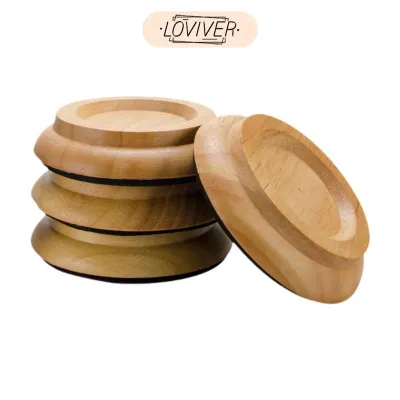
Prices are valid at publication and may change. Please refer to the product page for the latest price.
Start by measuring the width and diameter of your piano’s casters. Use a precise tape measure or a caliper to find the widest point of the wheel assembly. Note whether your piano has single wheels or double-wheel casters, which are common on larger uprights and grand pianos. The caster cup’s inner recess must be slightly wider than the total width of the wheel assembly to ensure the piano sits securely inside the cup without resting on its outer rim.
Next, estimate the total weight of your instrument to understand the load requirements. A standard upright piano typically weighs between 180 kg and 300 kg, while a grand piano can range from 250 kg to well over 500 kg. Digital console pianos are significantly lighter, usually weighing between 40 kg and 100 kg, but they still exert concentrated pressure through narrow wooden or metal legs.
To calculate the load per caster, divide the total weight of the piano by the number of support points. For a 240 kg upright piano with four casters, each cup must support at least 60 kg. However, keep in mind that weight distribution is rarely perfectly equal. The back of an upright piano contains the heavy cast-iron plate and soundboard, meaning the rear casters often carry up to 60% of the total weight. Always choose caster cups with a rated capacity that comfortably exceeds your calculated per-caster load.
If you are unsure of your piano’s exact weight, consult the manufacturer’s user manual or search the model number on the official brand website. Knowing these specifications beforehand allows you to filter out lightweight furniture cups that are not engineered to withstand the immense, continuous downward force of an acoustic piano.
Match Cup Materials to Your Home Flooring
The material on the underside of your caster cups is the only barrier protecting your floor from damage. Different flooring materials require specific backing designs to prevent scratches, chemical reactions, or deep indentations. In Singapore, where homes commonly feature parquet, luxury vinyl tiles, homogeneous tiles, or marble, selecting the correct backing is essential.

For hardwood, parquet, or engineered wood floors, choose caster cups made of solid wood or heavy-duty plastic lined with thick, high-density wool felt. The felt backing acts as a soft cushion, absorbing vibrations and allowing for minor adjustments without scratching the delicate wood lacquer. Avoid bare plastic or metal cups on wood floors, as any slight movement of the piano can cause immediate, deep scratches.
If your home features luxury vinyl tiles (LVT) or vinyl sheets, you must exercise caution regarding the backing material. Some cheap rubber backings contain plasticizers that can chemically react with vinyl flooring over time, leaving permanent yellow or brown stains. For vinyl floors, opt for caster cups with non-reactive felt bases or specialized polymer pads that are explicitly labeled as safe for vinyl.
Homogeneous and ceramic tiles are highly durable, but they can crack under extreme point loads if there are microscopic voids in the adhesive layer beneath them. Caster cups with a dense rubber or felt base help distribute the weight evenly across the tile surface, reducing the risk of localized cracking. The rubber base also provides excellent grip, preventing the piano from sliding on polished tile surfaces.
For carpeted floors, the goal is to prevent the carpet fibers from being permanently crushed. On carpet, avoid felt-backed cups, which offer little structural resistance. Instead, choose solid wood or heavy-duty plastic cups with a smooth, hard bottom. These cups distribute the weight across a wider area of the carpet backing, allowing the pile to recover more easily if the piano is ever moved.
Singapore’s humid tropical climate can also affect how materials interact with your floor. High humidity can trap moisture beneath solid rubber or plastic cups, potentially leading to mold growth or discoloration on wood and stone floors. Periodically checking the area around the caster cups and ensuring good room ventilation can help mitigate this risk.
Essential Design Features to Compare
When comparing different piano caster cups, look beyond aesthetics to evaluate their structural design. A well-designed caster cup must keep the piano stable, prevent it from rolling, and maintain the instrument’s ergonomic alignment. Focusing on a few key design features will help you identify high-quality options.
First, examine the depth and shape of the cup’s inner recess. The recess should be deep enough to cradle the caster wheel securely, preventing it from rolling out if the piano is bumped. A shallow cup increases the risk of the wheel slipping over the edge, which can cause the piano to drop suddenly and damage both the instrument and the floor. Look for a cup with a distinct, recessed well rather than a completely flat surface.
Second, verify the structural material of the cup itself. Solid hardwood cups, such as those made from oak, maple, or beech, offer exceptional strength and blend seamlessly with acoustic piano finishes. High-impact ABS plastic is another durable and cost-effective option. Avoid cheap, thin plastic cups designed for light household furniture, as they can crack under the weight of an acoustic piano over time.
Third, consider the profile height of the caster cup. Adding cups raises the entire piano by the thickness of the cup’s base, which typically ranges from 1 cm to 2.5 cm. While this may seem negligible, it directly affects the height of the piano pedals and the keyboard. A cup with an excessively high profile can make the pedals feel uncomfortably high, leading to ankle fatigue during long practice sessions. Opt for a low-profile design that provides maximum strength with minimal lift.
Safe Installation and Positioning Steps
Installing piano caster cups requires care and preparation to avoid personal injury or damage to your instrument. Because acoustic pianos are incredibly heavy and structurally delicate, you should never attempt to lift or move them without proper planning and assistance.
Before starting, thoroughly clean the floor area where the piano will sit. Any small debris, sand, or grit trapped under a caster cup can act like sandpaper under the immense weight of the piano, causing severe scratches to your floor. Ensure the floor is completely dry before placing the cups.
For heavy acoustic upright or grand pianos, do not attempt to lift the instrument alone. Enlist the help of at least two or three strong adults, or hire professional piano movers. If you are lifting an upright piano, use a specialized piano jack if available. Never lift an upright piano by its front legs, as these are often decorative and can easily snap under lateral pressure; always lift from the secure structural frame at the back and bottom.
Carefully lift one corner of the piano at a time, just high enough to slide the caster cup underneath. Have a helper position the cup directly under the wheel, ensuring the wheel is centered in the recess. Lower the piano slowly and vertically into the cup. Do not drop the instrument quickly, as the sudden impact can crack the cup or damage the internal action of the piano.
Once all cups are installed, gently check the stability of the piano. Ensure the instrument does not rock or wobble. Sit at the piano bench and test the pedals to ensure they are at a comfortable height and operate smoothly. If the pedals feel slightly too high due to the added height of the cups, placing a firm, low-profile mat under your heels can help restore comfortable playing ergonomics.
Evaluating Product Listings and Building Your Shortlist
When shopping for piano caster cups on e-commerce platforms or specialty music stores, it is easy to be swayed by generic marketing claims. To find a reliable product that fits your needs, you must carefully evaluate product listings and verify their specifications.
Cross-reference the stated dimensions of the caster cups with the measurements you took of your piano’s wheels. Pay close attention to the “inner diameter” or “recess diameter” rather than the overall outer diameter. A cup might have a large outer footprint but a narrow inner well that cannot accommodate a wide double-wheel caster.
Look for listings that provide specific material descriptions rather than vague terms like “heavy-duty composite” or “wood-like finish.” High-quality listings will specify the exact type of wood, such as solid walnut or beech, or the specific grade of plastic used. This transparency is a good indicator of product quality and structural integrity.
Finally, review the seller’s return and exchange policies before making a purchase. Even with careful measurement, you may find that the cup’s profile is too high for comfortable pedaling, or that the backing material does not sit well on your specific flooring. Choosing a seller that offers straightforward returns ensures you can exchange the cups for a more suitable option without hassle, protecting your investment of S$15 to S$60 on a quality set.
Frequently Asked Questions (FAQ)
Do digital pianos need caster cups?
Yes, digital pianos can benefit significantly from caster cups, especially console models with heavy wooden cabinetry or narrow, sharp legs. While digital pianos are lighter than acoustic models, their narrow support points concentrate weight onto a small surface area, which can still dent vinyl, scratch parquet, or leave deep marks in carpets. If your digital piano is placed on a stand with metal feet, caster cups or protective pads prevent the metal from scratching hard floors and keep the instrument from sliding during enthusiastic playing.
Can I use generic furniture cups instead of piano-specific ones?
It is highly recommended to use cups specifically designed for pianos rather than generic furniture cups. Generic cups, such as those intended for sofas or dining tables, are often made of thinner plastic or soft rubber that can deform, crack, or compress completely flat under the immense weight of an acoustic piano. Piano-specific caster cups feature a deeper recess to prevent the wheels from rolling out, thicker structural walls to withstand hundreds of kilograms of continuous pressure, and specialized backing materials designed to protect delicate flooring from heavy point loads.
Will caster cups affect the height of my piano pedals?
Yes, adding caster cups will raise your piano by the thickness of the cup’s base, which is typically between 1 cm and 2.5 cm. This slight increase in height raises the pedals and the keyboard relative to the floor. While many players do not notice the difference, some may find that their feet must angle upward more than usual to operate the pedals, which can cause ankle strain over time. If this occurs, you can easily adjust your playing position by slightly raising your piano bench or placing a firm, low-profile mat under your heels to restore proper ergonomic alignment.
Community discussion
Share your experience or ask a question. Comments are reviewed before publication.