
The right piano chair height is one that positions your elbows slightly above or level with the keyboard, allowing your forearms to rest parallel to the floor while your feet sit flat on the ground. Choosing the correct type—whether a traditional fixed bench, an adjustable hydraulic stool, or a padded ergonomic chair—depends on your height, age, and whether the instrument is shared. Setting this foundation prevents chronic strain and unlocks the fluid movement needed for advanced technique.
In Singapore’s humid climate, physical comfort during extended practice sessions is highly dependent on material choices. Opting for high-quality, breathable materials and properly treated hardwoods ensures longevity and comfort, preventing the seat from becoming sticky or degrading over time. Establishing a correct physical setup from day one is the most effective way to protect your joints and improve your playing.
Why the Right Piano Chair Matters for Posture and Technique
When you sit at a piano, your entire body becomes part of the instrument’s mechanical leverage system. If your seating is too low or too high, your body must compensate. A chair that is too low forces you to raise your shoulders and arch your wrists, creating severe tension in the neck and upper back. Conversely, sitting too high causes slouching, which compresses the spine and limits the natural weight of your arms from transferring into the keys.
Products mentioned in this guide
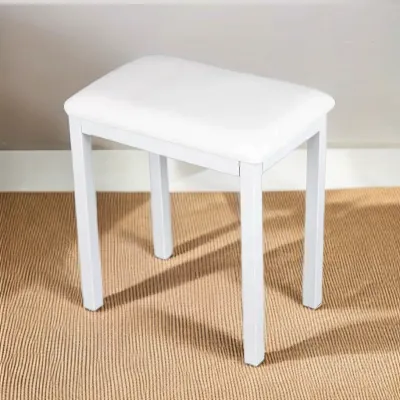
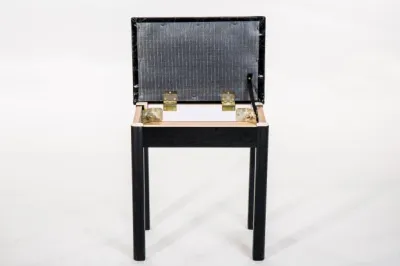
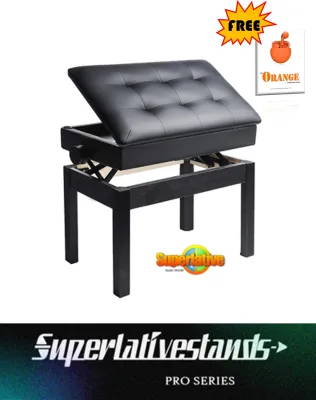
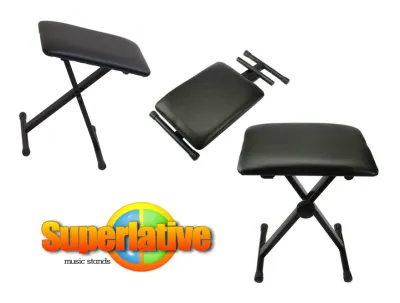
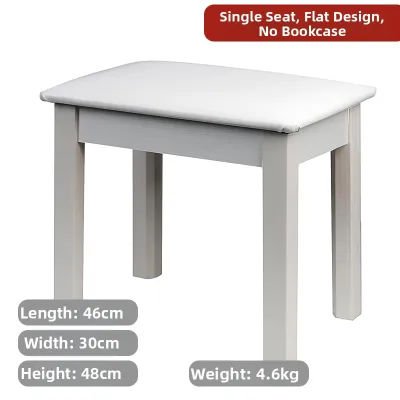
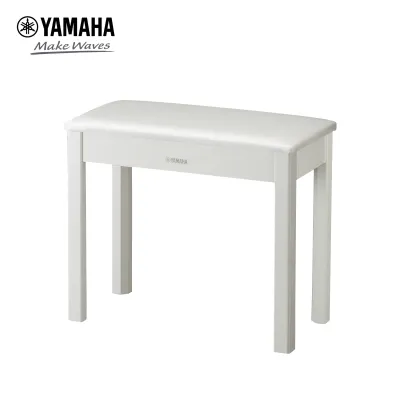
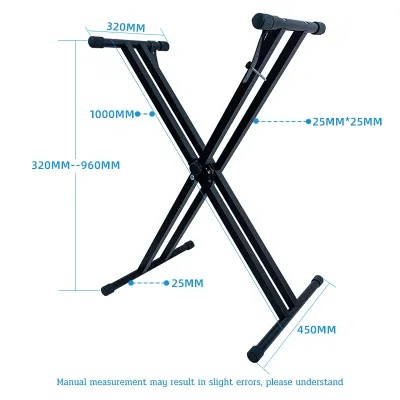

Prices are valid at publication and may change. Please refer to the product page for the latest price.
Over time, these minor postural compensations can lead to repetitive strain injuries, such as carpal tunnel syndrome or chronic lower back pain. A dedicated piano chair acts as the anchor of your performance. It provides the pelvic stability required to lean forward slightly from the hips, engaging your core muscles rather than putting stress on your lumbar spine. This ergonomic alignment ensures that your shoulders remain relaxed, your elbows move freely, and your fingers strike the keys with optimal speed and control.
Understanding Piano Chair Types: Benches, Stools, and Adjustable Options
Piano seating is not a one-size-fits-all accessory. The market offers several distinct designs, each engineered to address specific playing environments, aesthetic preferences, and physical requirements. Understanding the structural differences between these options is the first step in selecting a seat that supports your musical development.

Fixed Piano Benches
Fixed-height wooden benches are a classic fixture in traditional piano studios and concert halls. Typically constructed from solid hardwoods like birch, maple, or mahogany, these benches offer unmatched structural stability. Because they have no moving mechanical parts, they do not wobble, squeak, or degrade over years of vigorous playing. Many models also feature integrated storage compartments under the seat cushion, providing a convenient space to organize sheet music, metronomes, and cleaning cloths.
However, the primary drawback of a fixed bench is its lack of adaptability. Standard fixed benches usually stand around 48 to 50 centimeters tall, a height designed specifically for average-sized adults playing on standard acoustic pianos (which have a keyboard height of roughly 72 to 75 centimeters). If you are exceptionally tall, shorter than average, or sharing the instrument with children, a fixed-height bench will inevitably force at least one player into an ergonomically compromised position.
Adjustable Piano Benches and Stools
For households with multiple players or growing students, adjustable seating is highly recommended. Adjustable benches generally fall into two categories: traditional dual-knob wooden benches and modern hydraulic or pneumatic metal stools. Wooden adjustable benches utilize a robust internal scissor mechanism controlled by turning knobs on either side of the frame. This allows for precise, micro-adjustments to the seating height, often ranging from 45 to 55 centimeters, while maintaining a classic look that matches acoustic upright and grand pianos.
Hydraulic and pneumatic metal stools, on the other hand, offer rapid height adjustments via a simple hand lever, similar to modern office chairs. While they lack the traditional aesthetic of wooden furniture, their metal frames and compact circular seats make them highly portable and exceptionally durable. These adjustable options are essential for shared family pianos, music classrooms, and multi-instrumentalists who transition between keyboards, synthesizers, and other instruments. They also accommodate non-standard keyboard heights, which are common with portable digital pianos mounted on custom stands.
Backrests vs. Backless Designs
The vast majority of professional piano benches are intentionally designed without backrests. This backless structure is not an oversight; it is a deliberate ergonomic choice. Playing the piano is an active physical activity that requires the musician to lean slightly forward from the hips, engaging the core muscles to support the upper body. A backless design allows the shoulder blades to move dynamically without obstruction, facilitating wide arm sweeps across the full length of the 88-key keyboard.
While backless benches promote active posture, chairs with backrests—often referred to as conductor chairs or ergonomic piano chairs—have a place in specific scenarios. If you suffer from chronic spinal conditions, have physical limitations that prevent you from supporting your torso for extended periods, or are a synthesist performing long, casual studio sessions, a backrest can provide essential relief. However, the trade-off is significant: relying on a backrest can lead to a slouched, passive posture that restricts your reach and dampens your playing dynamics. If you choose a chair with a backrest, ensure it is used primarily during rest intervals rather than as a support to lean against while actively playing.
How to Determine the Correct Piano Chair Height
Finding your ideal seating height requires a systematic approach. Rather than guessing or relying solely on standard measurements, you should use your own body proportions in relation to your specific instrument. By following a structured, three-step evaluation, you can establish a healthy physical foundation that minimizes tension and maximizes your technical control.
Step 1: Assess the Keyboard Height and Your Elbow Position
Begin by placing your piano chair at a distance that allows you to sit on the front half of the seat. Relax your shoulders completely, let your upper arms hang naturally by your sides, and place your hands gently on the keys. Your elbows should sit slightly in front of your torso, rather than being tucked tightly against your ribs or flared outward.
Observe the height of your elbows relative to the top of the white keys. Ideally, your elbows should be level with or slightly higher than the keyboard surface. This alignment ensures that your forearms run roughly parallel to the floor when your fingers are in a playing position. If your elbows drop below the level of the keys, you will be forced to lift your wrists or shoulders to reach the keyboard, creating immediate muscle tension.
Step 2: Check Wrist Alignment and Hand Posture
Once your elbow height is established, focus your attention on your wrists and hands. Your wrists should maintain a straight, neutral alignment, acting as a flexible shock absorber between your fingers and arms. Avoid letting your wrists sag below the level of the keyboard, and do not arch them excessively high into a tense, claw-like position.
If your piano chair is adjusted too low, your wrists will naturally drop to compensate, forcing your fingers to flatten out and strike the keys with the pads rather than the tips. This flat-fingered posture severely limits your finger independence, reduces your playing speed, and increases the risk of tendonitis. Conversely, if the chair is too high, your wrists will arch excessively, causing your fingers to curl tightly. This rigid posture restricts your lateral wrist movement, making smooth transitions and wide arpeggios incredibly difficult to execute.
Step 3: Verify Foot Placement and Pedal Reach
Proper piano ergonomics extend all the way down to your feet. Both of your feet must rest flat on the floor, spaced approximately shoulder-width apart. This solid contact with the ground is crucial; it stabilizes your pelvis, supports your lower back, and allows you to shift your body weight dynamically as you play different registers of the piano.
Your right foot must be positioned so that it can comfortably reach and depress the sustain pedal. When pressing the pedal, your heel should remain firmly planted on the floor, acting as a pivot point while the ball of your foot controls the pedal’s movement. If you find yourself lifting your entire foot or heel off the ground to depress the pedal, or if your leg is stretched to its maximum extension, your bench is likely too high or positioned too far back from the instrument. Adjusting the distance and height of your seat will restore this vital lower-body stability.
Adjusting for Different Players and Piano Types
While the three-step measurement process works perfectly for average-sized adults playing standard acoustic pianos, real-world setups often present unique challenges. Children, changing physical statures, and the diverse designs of modern digital instruments require tailored adjustments to maintain proper ergonomic form.
Setting Up for Children and Growing Students
Young students and children present a unique ergonomic challenge because their torsos require a high seating position to reach the keys, yet their legs are not long enough to reach the floor. To solve this, you must pair a highly adjustable piano bench with a dedicated, height-adjustable piano footstool or pedal extender. This combination ensures that the child’s elbows are positioned correctly relative to the keyboard while providing a stable platform for their feet.
It is highly recommended to avoid temporary workarounds like stacking loose cushions on a standard bench or placing phone books under their feet. Cushions compress unevenly under weight, creating an unstable, shifting foundation that forces the child to constantly tense their core muscles just to stay balanced. Similarly, unstable footrests prevent the child from developing proper pedal technique and can lead to a habit of dangling the legs, which restricts blood circulation and causes early fatigue during practice.
Accommodating Digital Pianos vs. Acoustic Pianos
The physical design of your instrument plays a major role in your seating requirements. Traditional acoustic upright and grand pianos have highly standardized keyboard heights, typically measuring between 72 and 75 centimeters from the floor to the top of the keys. Digital pianos and portable keyboards, however, can vary significantly. Portable keyboards placed on generic X-stands or Z-stands often sit much higher or lower than standard acoustic instruments, and the thickness of the keyboard’s chassis can alter the space available for your knees.
Before purchasing a fixed-height piano chair, verify the exact specifications and dimensions of your instrument. It is essential to measure the distance from the floor to the top of your specific keyboard’s keys. If you use a portable digital setup, an adjustable piano chair is almost always the superior choice. This flexibility allows you to compensate for the height variances of different portable stands, ensuring that you can recreate a healthy, standard playing posture regardless of where or on what keyboard model you are practicing.
Common Posture Mistakes and How to Fix Them
Even with an adjustable chair, it is easy to slip into poor physical habits over time. One of the most common mistakes is sitting too far back on the seat. To maintain a dynamic, balanced posture, you should sit on the front half of the piano chair. This positions your pelvis in a neutral tilt and naturally encourages your spine to align itself without relying on artificial support.
Keep an eye out for these clear, observable signs of incorrect seating:
- Hunching shoulders: This usually indicates that your chair is set too low, forcing you to lift your shoulders to get your hands over the keys, or that you are sitting too far away from the instrument.
- Sliding forward or backward constantly: This behavior suggests that your feet lack stable support, or that the bench cushion is too slippery or soft, causing your pelvis to tilt backward.
- Knees hitting the underside of the keybed: If your knees are jammed against the piano, you are sitting too close. Adjust your bench distance so that only your knees and a small portion of your thighs extend slightly under the keyboard.
To quickly diagnose your setup, perform a simple check: sit at your piano, close your eyes, take a deep breath, and let your shoulders drop. Open your eyes and look at your forearms; they should be level with the keys, and your hands should float effortlessly above the keys. If you experience persistent joint pain, muscle numbness, or tingling in your fingers or wrists, stop practicing immediately. These symptoms can indicate underlying ergonomic strain or nerve compression, and you should consult a qualified piano instructor or a professional physiotherapist to evaluate your posture before resuming regular practice.
Frequently Asked Questions (FAQ)
Can I use a regular office chair or dining chair for playing the piano?
While using a household dining chair or an office chair might seem like a convenient, cost-effective solution, both present significant ergonomic drawbacks. Office chairs typically feature swivel mechanisms and caster wheels that destabilize your core, forcing your body to constantly work to stay balanced while you play. Furthermore, standard office and dining chairs often include armrests that physically obstruct your elbows, preventing the wide, lateral arm movements required to play across the full range of the keyboard. Dining chairs also suffer from fixed, non-adjustable heights that rarely align perfectly with standard keyboard heights, leading to immediate wrist and shoulder strain.
How thick should the piano bench cushion be?
When evaluating a cushioned piano bench, the quality and density of the foam are far more important than the overall thickness of the padding. You should look for high-density foam that is approximately 4 to 7 centimeters thick. This thickness provides excellent comfort for extended practice sessions while offering a firm, supportive surface. Avoid overly soft, plush cushions that allow your pelvis to sink deeply into the seat. If you sink too low, your carefully measured elbow and wrist angles will be altered, and the unstable surface will make it difficult to maintain a balanced, active playing posture.
Community discussion
Share your experience or ask a question. Comments are reviewed before publication.