
Selecting the right piano cover for your beginner keyboard is a critical first step in preserving your instrument’s sensitive electronics, key action, and overall finish. Unlike traditional acoustic pianos with standard dimensions, digital keyboards and synthesizers vary significantly in size, shape, and control layouts. Finding a cover that fits properly requires a clear understanding of your keyboard’s physical footprint, your local home environment, and the specific protective qualities of different materials.
A well-chosen cover prevents airborne dust, pet hair, and accidental spills from settling into the delicate contact pads beneath the keys, which can cause unresponsive notes or electrical malfunctions over time. By taking precise measurements and matching the cover material to your household’s daily activity levels, you can ensure your first instrument remains in optimal playing condition for years to come.
Measure Your Keyboard's Dimensions and Key Count for a Precise Fit
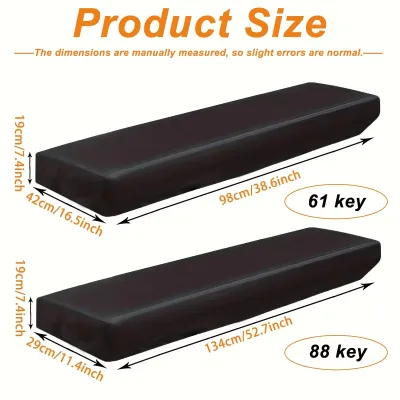
To find a cover that fits securely without slipping off or putting undue strain on the keys, you must start by measuring your keyboard’s physical dimensions. Do not rely solely on the number of keys to determine the cover size, as two keyboards with the same key count can have vastly different chassis designs. For example, a 61-key beginner keyboard with built-in speakers and a wide control panel will require a much larger cover than a slim, minimalist 61-key MIDI controller.
Products mentioned in this guide
![[ammoon]61 / 88 Key Digital Piano Keyboard Dustproof and Waterproof Cover Electronic Organ Electronic Piano Keyboard Dust Cover](https://img.lazcdn.com/g/p/bf29434508907027828e2b9dca03f3d2.jpg_400x400q80.jpg_.webp)

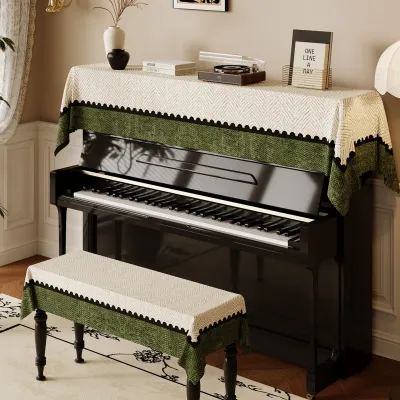
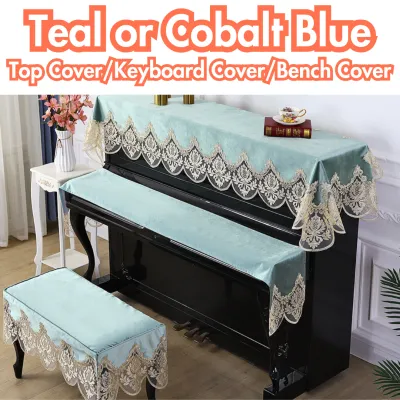
Prices are valid at publication and may change. Please refer to the product page for the latest price.
Begin by counting the keys on your instrument—typically 61, 76, or 88 keys—to establish a baseline category for your search. Next, use a standard measuring tape to find the exact width, depth, and height of the keyboard chassis. Measure the width from the outermost edge of the left side panel to the outermost edge of the right side panel. For the depth, measure from the front edge of the keys to the very back of the casing, ensuring you account for any protruding knobs, sliders, or pitch bend wheels.
Height measurements should be taken from the bottom of the keyboard base to the highest point on the top panel. If your keyboard features a music rest that cannot be easily detached, you must measure the height with the rest in place or look for a cover specifically designed with a zippered slot or opening to accommodate it. Neglecting this step can result in a cover that sits awkwardly high, leaving the sides of your keyboard exposed to dust.
Additionally, consider how your keyboard is set up in your home. If your instrument sits flat on a desk or table, a simple top-only drape or a fitted elastic cover will suffice. However, if your keyboard remains mounted on an X-stand, Z-stand, or a dedicated wooden furniture stand, you must account for the extra space needed for the cover to drape naturally over the sides. A cover that is too short may pull upward at the corners, while one that is too long might drape into the stand’s adjustment mechanisms or collect dust from the floor.
Match the Cover Material to Your Home Environment and Risks
The ideal material for your piano cover depends heavily on the specific environmental factors and daily hazards present in your living space. In tropical climates like Singapore, where high humidity is a constant factor, selecting a breathable fabric is essential. Lightweight, breathable materials such as high-density nylon, cotton blends, or spandex allow air to circulate freely around the instrument, preventing moisture from becoming trapped underneath the cover and causing mold growth or corrosion on internal circuit boards.

For daily indoor use in low-traffic rooms where dust is the primary concern, a lightweight spandex or lycra blend is often the most practical choice. These materials are highly elastic, allowing them to stretch smoothly over various keyboard shapes while maintaining a snug, dust-tight seal around the edges. Spandex covers are also easy to fold and store compactly when you are practicing, making them highly convenient for daily routines.
If your household includes pets or young children, your keyboard faces additional risks such as pet hair, scratches, and accidental liquid spills. In these environments, a heavier, water-resistant material like oxford fabric or a dual-layer polyester cover with a soft inner lining is highly recommended. These heavy-duty covers provide a robust physical barrier against claws and spills, but you must ensure they feature adequate ventilation or are removed periodically to prevent heat and moisture buildup.
Sunlight exposure is another critical factor to consider when choosing a cover material. If your practice space is near a window that receives direct sunlight, certain synthetic materials can degrade, fade, or trap heat, which may warp plastic keys or damage sensitive LCD screens. Look for materials that offer UV resistance, and always check the manufacturer’s guidelines regarding heat exposure and ventilation to ensure the cover does not inadvertently harm your instrument.
Weigh Official Brand Covers Against Universal Fit Alternatives
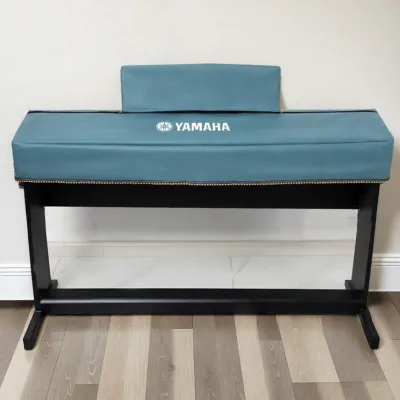
When shopping for a piano cover, you will generally choose between official manufacturer-branded covers and universal-fit alternatives. Official covers are designed by the keyboard manufacturer specifically for individual models or series. The primary advantage of an official cover is a tailored, precise fit that matches the exact contours of your instrument, often including dedicated cutouts for power cables, sustain pedals, and music rests.
However, official branded covers can sometimes be limited in terms of material variety, color options, and local availability. They may also carry a premium price tag simply for the brand logo, without offering a significant performance advantage over high-quality third-party options. If you own a highly popular beginner model, finding an official cover locally might be straightforward, but for less common or older models, options may be scarce.
Universal-fit covers, on the other hand, are designed to accommodate a wide range of keyboard brands and models within specific key-count categories. These covers are widely available on various online marketplaces and music retail platforms, offering a diverse selection of materials, thicknesses, and closure styles. Many universal covers feature adjustable drawstrings, elastic hems, or locking buckles that allow you to customize the tightness of the fit to your specific instrument.
The main challenge with universal covers is the risk of a loose or overly tight fit if your measurements are close to the limit of the cover’s dimensions. To mitigate this risk, always compare your keyboard’s physical measurements against the cover’s maximum stretched dimensions rather than relying solely on generic labels like “fits most 61-key keyboards.” When purchasing from third-party sellers on ecommerce platforms, carefully review the return policies to ensure you can easily exchange the cover if the fit is not satisfactory.
Build Your Shortlist and Verify Compatibility Before Checkout
Before finalizing your purchase, it is crucial to build a shortlist of potential covers and verify their compatibility through systematic checks rather than relying on marketing descriptions. Start by cross-referencing your keyboard’s exact model number with the cover manufacturer’s official compatibility list. Many reputable cover brands provide detailed charts listing specific compatible models from major keyboard manufacturers, which offers a higher level of assurance than generic sizing categories.
Next, examine user reviews on retail websites and online marketplaces, focusing specifically on feedback from buyers who own the exact same keyboard model as you. Look for mentions of fit issues, such as the cover being too tight to stretch over the corners, or the elastic band losing its tension over time. Pay close attention to comments regarding the material’s actual thickness, seam durability, and whether the fabric leaves any lint or residue on the keys.
It is also wise to verify the shipping origin and return policies of the seller before checking out. If you are ordering from an international seller on an online marketplace, return shipping costs for an ill-fitting cover can sometimes exceed the value of the item itself. Prioritize sellers that offer local return options or clear, hassle-free exchange policies, ensuring you are not left with an unusable accessory if the cover does not fit your setup as expected.
Finally, double-check the product specifications for any safety certifications or material warnings. Ensure the cover does not contain harsh chemical dyes or plasticizers that could react with the plastic keys or wooden finish of your keyboard. Taking these extra verification steps before making a purchase will save you time and protect your investment from unnecessary wear or damage.
Use and Maintain Your Cover to Prevent Accidental Damage
Once you have selected and received the perfect cover, using and maintaining it correctly is essential to prevent accidental damage to both the cover and your keyboard. Always ensure that your keyboard is completely powered off and has cooled down to room temperature before applying the cover. Placing a non-breathable or heavy-duty cover over a warm, recently used keyboard can trap residual heat generated by the internal power supply, which can shorten the lifespan of electronic components.
Establish a regular cleaning routine for your cover based strictly on the manufacturer’s care label instructions. Dust and pet hair will naturally accumulate on the exterior of the cover over time, and if left uncleaned, these particles can transfer to your keyboard when you remove or apply the cover. Spandex and nylon covers can often be machine washed on a gentle cycle with mild detergent, while heavy-duty oxford covers may require spot cleaning with a damp cloth to preserve their water-resistant coatings.
When your keyboard is in use, store the cover properly rather than tossing it onto the floor or leaving it bunched up on a nearby chair. Leaving the cover on the floor allows it to collect additional dust, dirt, and pet hair, which defeats the purpose of using a cover in the first place. Designate a clean, dry shelf, drawer, or hook near your practice space to store the cover safely, keeping your practice area tidy and preventing tripping hazards.
Frequently Asked Questions (FAQ)
Do I need a cover if my keyboard is stored in a case or gig bag?
While a gig bag or hard case provides excellent protection for transport and long-term storage, they are generally impractical for daily home use. Constantly packing and unpacking your keyboard from a heavy case can become a barrier to practice, leading to less frequent playing sessions. A dedicated keyboard cover allows you to keep your instrument set up on its stand, ready to play at a moment’s notice, while still protecting the keys and controls from daily dust, ambient moisture, and household hazards.
Can a tight cover damage the keys or internal components?
Yes, an excessively tight cover can potentially cause damage to your keyboard over time. If a cover is stretched too tightly, it can apply continuous downward pressure on the keys, sliders, and knobs, which may strain the key action mechanisms or bend delicate control shafts. Furthermore, a tight, non-breathable cover can restrict airflow, trapping ambient humidity and heat around the sensitive electronic contacts beneath the keys, potentially leading to corrosion or unresponsive key contacts. Always choose a cover that fits snugly without exerting physical force on the instrument’s controls.
Community discussion
Share your experience or ask a question. Comments are reviewed before publication.