
Selecting the right piano sheet music folder is essential for keeping your scores organized, legible, and secure during practice and performance. A great folder does more than just hold paper; it prevents glare under bright lights, lies perfectly flat on your music stand, and allows for seamless page turns. To choose the best option, you must evaluate key specifications such as dimensions, sleeve materials, binding styles, and overall stability.
Size and Capacity: Matching Your Sheet Music
Standard sheet music comes in various dimensions, often exceeding standard letter size. While many digital prints use standard A4 paper, traditional published scores frequently use larger formats like 9×12 inches or even larger archival sizes. Before purchasing a folder, measure your most frequently used scores to ensure the sleeves or retaining bands can accommodate them without bending the edges.
Page capacity is another critical factor to balance. A folder that is too slim will limit you to a few short pieces, while an overly thick binder can become heavy and unwieldy. Consider your current repertoire needs and whether you prefer a fixed-page book or an expandable system where you can add or remove sleeves as your repertoire changes.
Products mentioned in this guide
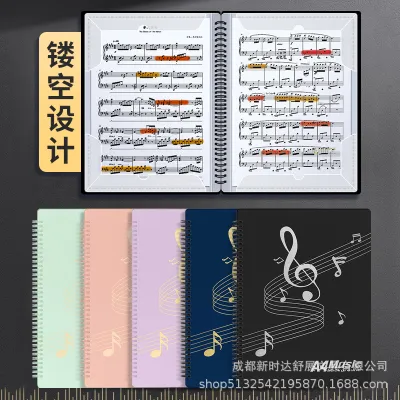

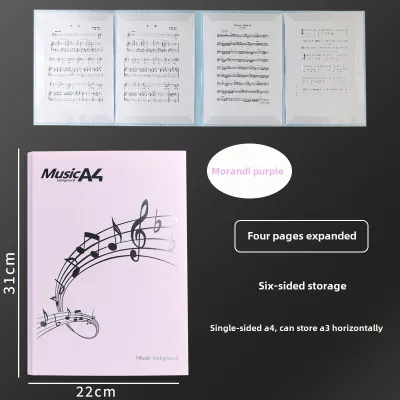
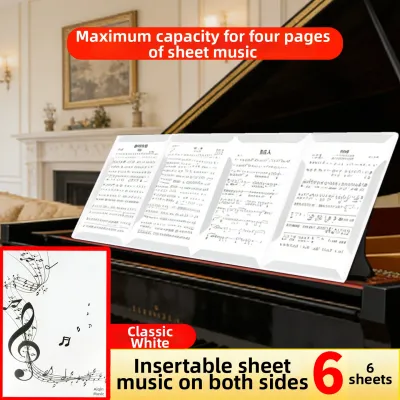
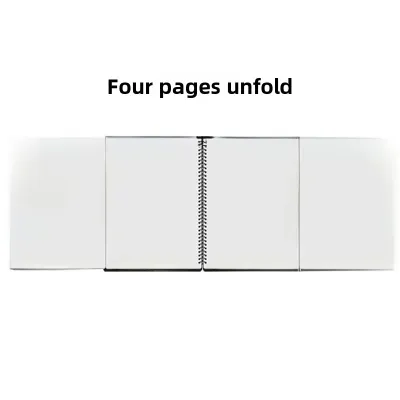
Prices are valid at publication and may change. Please refer to the product page for the latest price.
The physical footprint and weight of the folder must match your piano’s music desk. Heavy, oversized folders can easily slide off narrow or highly angled music stands, especially on upright pianos or portable digital keyboards. Look for folders with non-slip backing or a lightweight design that sits securely without putting excessive strain on the music rest.
Materials and Sleeves: Protecting Your Scores
The outer cover material determines both the durability and the aesthetic appeal of your folder. Genuine leather offers a classic, professional look and long-term durability, though it requires more care and is generally heavier. Synthetic materials like polypropylene or high-quality faux leather provide excellent water resistance and durability at a lighter weight, making them highly practical for daily commuting. Canvas covers offer a softer, tactile feel but may absorb moisture and dust more easily.

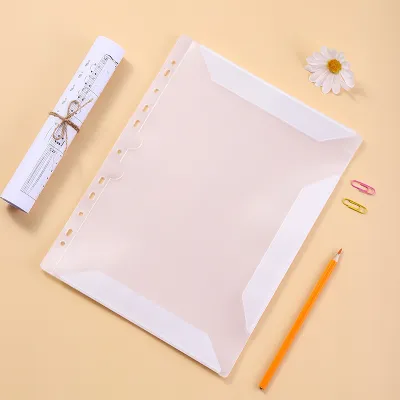
Inner sleeves are crucial for visibility under varying light conditions. Standard glossy plastic sleeves reflect overhead stage lights or home practice lamps, creating distracting blind spots on your music. Opt for matte or anti-glare sleeves that diffuse light, allowing you to read your notes clearly from any angle. Some specialized music folders even feature band-style retainers that hold the top and bottom of the page, leaving the center open for direct pencil annotations.
Sleeve thickness and edge reinforcement directly impact how well the folder withstands rapid page turns. Thin, flimsy sleeves tear easily at the seams when flipped quickly during a performance. Look for heavy-duty, tear-resistant sleeves with reinforced margins near the binding to ensure your music remains securely housed through years of intense practice.
Binding and Layout: Ensuring Smooth Page Turns
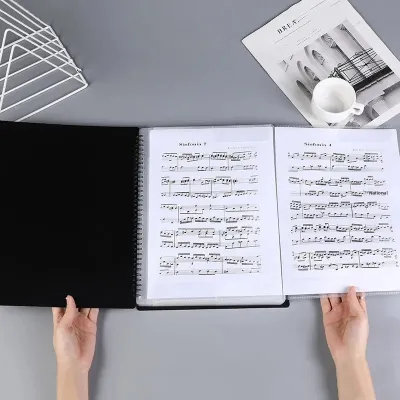
The binding mechanism dictates how flat the folder lies when opened. Standard ring binders allow you to rearrange pages easily, but they can sometimes cause the pages to stand up or catch on the rings during a turn. Fold-out or book-style bindings are designed to lay completely flat, ensuring that every page remains parallel to the music stand and reducing the risk of accidental page flips.
Spine flexibility is essential for achieving a true 180-degree opening. If the spine is too rigid, the folder will constantly try to spring shut, forcing you to use bulky page clips that slow down your performance. Check that the spine is engineered to remain open naturally, even when the folder is brand new or filled to its maximum capacity.
Weight distribution plays a major role in keeping the folder balanced on angled piano racks. A folder with an unevenly weighted spine or heavy metal rings can easily tip forward or slide sideways when you turn a page. Choosing a folder with a balanced, centered spine design helps maintain stability, allowing you to focus entirely on your playing.
Extra Features: Pockets, Handles, and Organization
Secondary features can significantly improve your daily practice efficiency. Built-in interior pockets are incredibly useful for holding loose lead sheets, performance programs, or reference materials. Some folders also include dedicated elastic loops or small pockets to keep pencils and erasers within arm’s reach, saving you from searching for a writing utensil mid-lesson.
For musicians who frequently travel to lessons, rehearsals, or gigs, portability features are highly valuable. Lightweight designs, secure strap closures, or even subtle carrying handles make transporting your music much easier and protect the edges of the folder from getting bent inside a backpack.
Organization tools like customizable spine labels, index pages, or business card slots help you manage a large library of music. If you perform in ensembles or teach multiple students, these features allow you to identify the correct folder instantly and keep your professional contact information readily available.
Frequently Asked Questions (FAQ)
How do I clean and maintain a leather or synthetic piano folder?
Routine maintenance keeps your folder looking professional and prevents premature wear. For daily cleaning, use a dry or slightly damp microfiber cloth to gently wipe away dust, fingerprints, and sweat from the cover and inner sleeves. Avoid using harsh chemical solvents or abrasive pads, which can strip the finish or scratch the anti-glare coating on the sleeves.
Always check the manufacturer’s care label before applying any leather conditioners or specialized cleaning solutions. Because Singapore’s tropical climate can introduce high humidity, store your folder in a well-ventilated area away from direct sunlight to prevent warping, cracking, or mold growth on organic materials like leather.
Can I use a standard office binder instead of a dedicated piano folder?
While a standard office binder is a budget-friendly option for casual home practice, it lacks several features designed specifically for musicians. Office binders typically feature highly reflective glossy sleeves that cause severe glare under performance lights, and their rigid spines rarely lay completely flat on a piano music desk.
Additionally, standard binders are often sized strictly for letter or A4 paper, which can cause larger, professional sheet music editions to overhang and get damaged. For serious practice and live performances, investing in a dedicated piano folder ensures your music stays flat, legible, and secure.
Community discussion
Share your experience or ask a question. Comments are reviewed before publication.