
Finding the right rain drum—commonly known as a steel tongue drum—requires balancing sound quality, physical portability, and long-term durability. These percussion instruments have gained immense popularity in Singapore for their soothing, meditative tones that fit perfectly into modern, compact living spaces. Because they are easy to play intuitively, they appeal to both seasoned musicians and beginners looking for a creative outlet or a tool for mindfulness.
However, navigating the wide array of options on ecommerce platforms and in local music specialty shops can be challenging. Selecting the ideal instrument requires a clear understanding of how different metals behave, how note layouts affect your playing experience, and how Singapore’s tropical climate impacts instrument care. By focusing on these core criteria, you can confidently evaluate product listings and choose a drum that delivers beautiful acoustics and stands the test of time.
Understanding Rain Drum Materials and Their Sound Profiles
The metal alloy used to construct a rain drum is the single most important factor determining its acoustic character and lifespan. Manufacturers primarily use carbon steel, stainless steel, or titanium-infused steel alloys, each offering a distinct sonic profile and level of environmental resilience.
Products mentioned in this guide
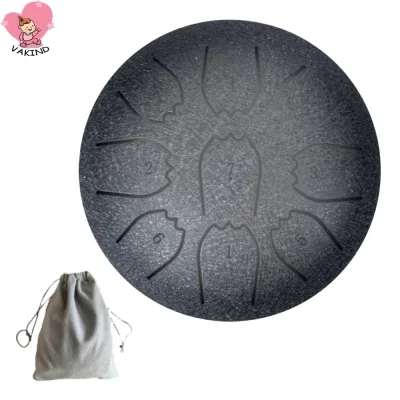
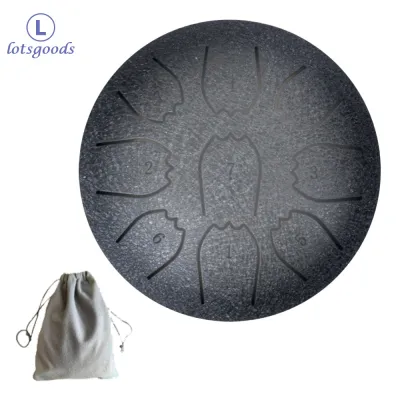
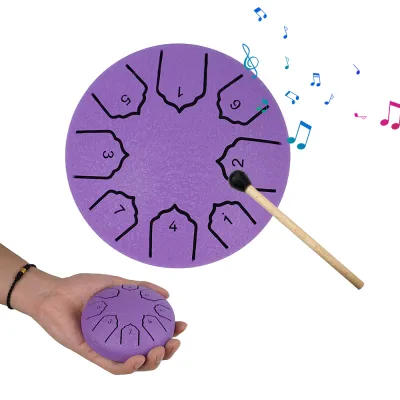
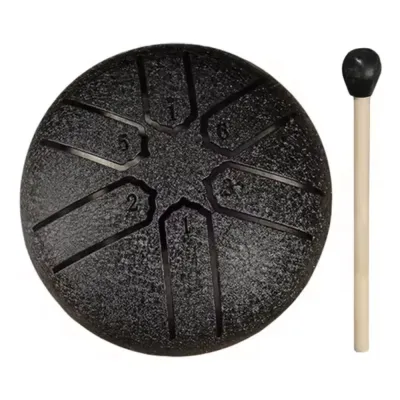
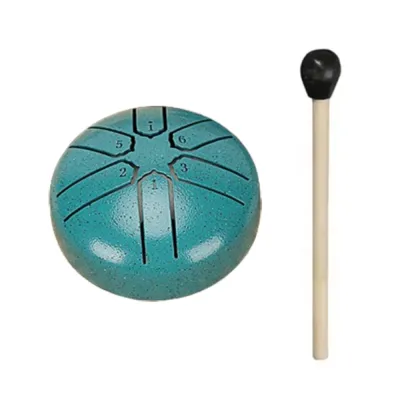
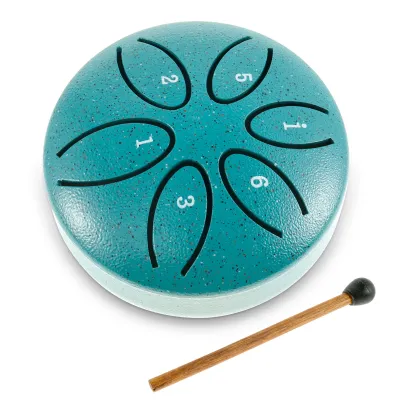
Prices are valid at publication and may change. Please refer to the product page for the latest price.
Carbon steel is a highly popular choice for entry-level and mid-range drums. It produces a warm, grounded, and earthy tone with a relatively short decay, which prevents notes from overlapping excessively during fast playing. The primary drawback of carbon steel is its high vulnerability to oxidation. In humid environments, untreated carbon steel can develop rust quickly, meaning it requires diligent maintenance and protective coatings to preserve its structural integrity.
Stainless steel offers a bright, vibrant sound with exceptional sustain and resonance. When you strike a stainless steel tongue, the sound waves reverberate longer within the chamber, creating a lush, ambient wash of sound that is highly desirable for slow, meditative playing. From a practical standpoint, stainless steel is highly resistant to rust and corrosion, making it an excellent, low-maintenance option for tropical climates where humidity levels remain consistently high.
Titanium-infused steel alloys represent the premium tier of rain drum materials. Titanium adds strength and rigidity to the steel without adding excessive weight, resulting in a highly stable instrument that holds its tuning exceptionally well over time. Sonically, titanium alloys deliver a pure, focused tone with a balanced sustain that is neither too dry nor too muddy. This material offers the ideal middle ground, combining the tonal warmth of carbon steel with the corrosion resistance of stainless steel.
Beyond the alloy composition, the physical thickness of the metal shell and the overall diameter of the drum play critical roles in volume and projection. Thicker metal shells require a slightly firmer strike to activate but produce a clearer, more stable fundamental pitch with fewer unwanted overtones. Larger drums naturally possess a larger internal air chamber, which amplifies the lower frequencies and allows the bass notes to project with greater depth and authority.
Choosing the Right Size and Note Layout for Your Skill Level
Rain drums come in a wide range of sizes, typically measured by the diameter of the outer shell. Selecting the right size is not just a matter of portability; it directly influences the instrument’s musical capabilities and how comfortable it is to play.

Compact travel drums, ranging from 6 inches to 10 inches in diameter, are lightweight, highly portable, and easy to store in small apartments. These smaller models are excellent for casual recreation, outdoor trips, or introducing children to percussion. However, their limited surface area means they usually feature fewer tongues, and the smaller tongues produce higher, brighter pitches with less bass resonance. If you are looking for deep, immersive vibrations that resonate through your body during meditation, a compact drum may feel acoustically limited.
Larger models, spanning 12 inches to 15 inches or more, are the standard choice for performance, sound therapy, and serious musical practice. These drums provide ample physical space between the tongues, which significantly reduces the risk of accidentally striking adjacent notes. The larger internal volume allows for a much wider dynamic range, enabling you to play very softly or quite loudly while maintaining excellent tonal clarity and deep, rich bass response.
The number of notes on a rain drum determines its melodic range and the complexity of the music you can create. Beginner-friendly models typically feature 8 or 11 notes, which are usually arranged in a single pentatonic scale. A pentatonic scale consists of five notes per octave, arranged so that every single note harmonizes beautifully with every other note. This layout is incredibly forgiving; you can strike the tongues in any random order, and the instrument will always produce a pleasing, harmonious melody, making it perfect for intuitive, stress-free playing.
For players who want to progress further, 13-note and 15-note drums offer a wider diatonic scale, which includes all seven notes of a standard major or minor scale. This expanded range allows you to play a vast library of familiar songs, classical melodies, and complex chord progressions. However, diatonic scales require a bit more musical awareness, as striking certain notes together can create dissonant intervals. Advanced players may even seek out specialized multi-scale or chromatic models, though these require precise mallet control and a solid foundation in music theory.
Key Features and Accessories to Compare Before You Buy
When comparing different rain drum listings online or in stores, the included accessories and surface finishes can greatly impact the overall value and usability of your purchase. Evaluating these secondary features beforehand ensures you do not have to make immediate, costly upgrades.
The type of mallets included with your drum directly affects how the instrument speaks. Most packages come with a pair of mallets featuring rubber, silicone, or wooden heads. Rubber mallets are the industry standard, offering a soft, cushioned strike that coaxes a warm, round tone from the metal tongues while minimizing the sharp “click” of physical impact. Silicone mallets are slightly firmer and provide a brighter, more articulated attack, which is helpful for faster tempos. Wooden mallets should generally be avoided for tongue drums, as the hard wood striking the metal creates a harsh, unpleasant clacking sound that overpowers the natural resonance of the instrument.
A high-quality padded carrying bag is another essential accessory to look for. Because rain drums are heavy metal objects, they are susceptible to denting or scratching if dropped or bumped during transport. A thick, padded bag with secure zippers and comfortable shoulder straps protects your investment and makes it easy to bring your drum to outdoor parks, yoga studios, or social gatherings. Additionally, look for listings that include a small wooden or rubber stand, which elevates the drum off flat surfaces so the bottom sound port can project freely without being muffled by the floor or table.
Finally, pay close attention to the surface treatment applied to the drum’s exterior. Electroplating and high-temperature powder coating are superior finishes that bond deeply with the metal, providing a tough, scratch-resistant barrier against moisture and skin oils. Painted or lacquered finishes can look incredibly artistic, but they are more prone to chipping and wearing away over time, especially around the edges of the tongues where the mallets strike repeatedly.
Shopping Considerations for Buyers in Singapore
Purchasing a musical instrument in Singapore requires careful consideration of the local climate and shipping logistics. Because rain drums are made entirely of metal, they are uniquely sensitive to environmental factors that can affect both their appearance and their tuning.
Singapore’s high relative humidity, which frequently hovers around 80% or higher, poses a constant threat to steel instruments. If moisture is allowed to sit on untreated steel, rust can develop within weeks, degrading the metal and permanently altering the pitch of the tongues. When shopping, prioritize drums made from high-grade stainless steel or those featuring robust, weather-resistant electroplated coatings. If you choose a carbon steel drum, you must commit to storing it in a dry, climate-controlled room or keeping silica gel desiccant packets inside its carrying bag to absorb excess moisture.
When buying through online marketplaces, it is vital to verify the seller’s credentials, customer reviews, and return policies. Because rain drums are tuned during the manufacturing process by cutting the tongues to precise lengths, any minor defect can result in a drum that sounds noticeably out of tune. Ensure the seller offers a clear return or exchange policy so you can swap the instrument if it arrives with flat or sharp notes. If possible, visiting a physical music store in Singapore allows you to play the drum in person, ensuring the scale, tone, and tuning meet your expectations before you spend any money.
Lastly, keep shipping dimensions and weight in mind when ordering from overseas retailers. A high-quality 14-inch rain drum can easily weigh between 3 to 5 kilograms, and its protective packaging adds significant bulk. Heavy, oversized packages shipped internationally can incur substantial freight surcharges, sometimes adding S$50 or more to the final purchase price. Always calculate the total landed cost, including shipping fees, to determine if buying locally is a more cost-effective and secure option.
Frequently Asked Questions (FAQ)
How do I prevent my rain drum from rusting in a humid climate?
To protect your rain drum from Singapore’s intense humidity, establish a simple post-play maintenance routine. After every session, use a clean, dry microfiber cloth to thoroughly wipe down the entire surface of the drum, paying close attention to the gaps around the tongues where sweat and skin oils from your hands can accumulate. Periodically apply a thin layer of manufacturer-approved protective oil, such as light mineral oil or specialized instrument wax, to create a barrier against moisture. Always store the drum in its padded carrying bag with several rechargeable silica gel packets, and avoid leaving the instrument in damp areas or direct sunlight, which can cause rapid temperature fluctuations and condensation.
Can I play a rain drum with my hands instead of mallets?
Yes, you can play a rain drum with your hands, though it requires a specific striking technique and produces a very different sound profile. Striking the tongues with your fingers or the sides of your thumbs yields a softer, warmer, and more intimate tone, which is highly suited for quiet, personal meditation. However, because human fingers absorb some of the vibration, hand-playing produces less volume and sustain than mallets. Smaller drums with high-tension tongues can be particularly difficult to play by hand. If you prefer hand-playing but struggle to get a clear sound, using silicone finger picks can help bridge the gap, providing the sharp, clear articulation of a mallet while maintaining the tactile feel of hand drumming.
What is the difference between a rain drum and a handpan?
While both are metal percussion instruments known for their ethereal sounds, rain drums (steel tongue drums) and handpans differ significantly in construction, price, and playing style. A rain drum is made by cutting tongue-shaped slits into a sealed steel chamber; the pitch is determined by the length and weight of each tongue. A handpan, on the other hand, is constructed by meticulously hammering and dimpling sheet metal to create distinct note fields on a large, dome-shaped shell. Handpans are much larger, louder, and highly sensitive to the lightest touch, but their complex, hand-crafted manufacturing process makes them significantly more expensive, often costing thousands of dollars. Rain drums are much more compact, durable, and budget-friendly, making them highly accessible for casual players.
Community discussion
Share your experience or ask a question. Comments are reviewed before publication.