
Finding a recipe book that supports your health and wellness journey requires looking beyond appealing cover photography and trendy titles. The right culinary guide acts as a practical roadmap, translating nutritional science into daily, sustainable meals that fit your lifestyle. To make an informed choice, you must evaluate how well a book aligns with your specific dietary goals, the credibility of its author, and the practicality of its instructions within your kitchen.
In a market saturated with quick-fix diet trends, selecting a high-quality resource involves a systematic assessment of its content structure. A truly supportive recipe book does not just list ingredients; it educates you on food preparation, ingredient sourcing, and portion management. By focusing on verifiable criteria rather than marketing claims, you can find a book that serves as a long-term companion for your physical well-being.
Defining Your Personal Health and Wellness Goals
Before browsing the shelves of a local bookstore or scrolling through online marketplaces, you must clearly define what wellness means for your daily life. Health goals are highly individualized, and a book designed for one purpose may not serve another. For instance, someone managing a chronic condition like hypertension requires a vastly different culinary approach than an individual seeking to increase overall vitality or manage body weight. Identifying your primary health objective prevents the frustration of purchasing a book filled with recipes that do not serve your physical needs.
Products mentioned in this guide
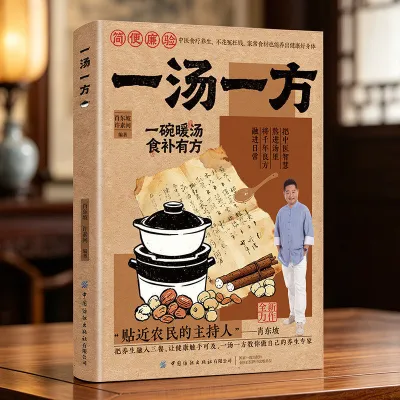
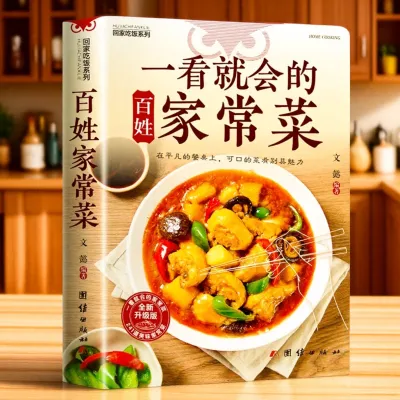
Prices are valid at publication and may change. Please refer to the product page for the latest price.
Your current cooking skills and kitchen setup also play a critical role in this decision. If your kitchen in a typical Singapore apartment is equipped with a standard two-burner stove and limited counter space, a book requiring complex multi-step techniques or specialized appliances may quickly become a source of stress. Be honest about the time you can realistically dedicate to meal preparation each week. Busy working professionals often benefit from books focusing on quick, one-pot meals or structured weekend batch cooking, while those with more flexible schedules might enjoy exploring intricate, scratch-cooking methods.
Finally, consider your personal taste preferences, cultural food habits, and any existing dietary restrictions. A wellness journey is rarely sustainable if it forces you to eat foods you dislike or completely abandons the flavors you love. Look for books that respect your palate while introducing healthier preparation methods and ingredient substitutions. If you have diagnosed food allergies or intolerances, prioritizing books that explicitly address these restrictions is essential for your safety.
Core Criteria for Evaluating Health-Focused Recipe Books
Evaluating the credibility of a health-focused recipe book is essential to ensure the advice inside is safe and scientifically sound. Start by verifying the author’s professional credentials. Books authored or co-authored by registered dietitians, certified clinical nutritionists, or medical professionals specializing in lifestyle medicine generally offer a higher standard of nutritional accuracy. These professionals are trained to translate complex biochemistry into safe dietary advice, reducing the risk of adopting restrictive or harmful eating patterns.

Look for evidence-based nutritional guidelines rather than sensationalist claims or unsupported fad diets. A reliable recipe book should explain the underlying nutritional philosophy using established scientific consensus, such as the benefits of whole foods, fiber intake, and balanced macronutrients. Be cautious of books that promise rapid weight loss, demand the complete elimination of entire food groups without medical justification, or rely heavily on expensive, proprietary supplements.
The inclusion of comprehensive nutritional panels for each recipe is another key indicator of quality. A well-structured book should provide clear data per serving, including total calories, macronutrients (proteins, carbohydrates, and fats), dietary fiber, sodium, and saturated fat. This information is particularly vital if you are managing specific health metrics, such as monitoring sodium intake for cardiovascular health or tracking carbohydrates for blood sugar management.
Additionally, assess the accessibility of the ingredients featured in the recipes. A practical wellness book prioritizes whole, minimally processed foods that you can easily find at local supermarkets or wet markets. If a book relies excessively on highly processed substitutes, rare imported herbs, or expensive specialty health-food store items, the financial and logistical burden of sourcing these ingredients may hinder your long-term consistency.
Matching Recipe Books to Specific Dietary Approaches
Selecting a recipe book that aligns with an established, evidence-backed dietary pattern ensures your cooking practices support your long-term health strategy. Rather than adopting arbitrary eating rules, choosing a structured framework helps you maintain nutritional balance while enjoying culinary variety.
Plant-Based and Whole-Food Approaches
When evaluating books centered on plant-based, vegetarian, or vegan eating, it is crucial to check how the author addresses potential nutrient gaps. A high-quality plant-based recipe book should offer guidance on securing essential nutrients that are less abundant in plant foods, such as vitamin B12, iron, zinc, calcium, and omega-3 fatty acids. Look for recipes that demonstrate smart protein pairing, utilizing a diverse mix of legumes, grains, nuts, and seeds to ensure you receive a full spectrum of amino acids.
The book should also match your current culinary experience level. Beginners often benefit from guides that offer simple transitions, such as plant-based versions of familiar comfort foods, and clear instructions on preparing basic staples like tofu, tempeh, and lentils. Advanced cooks, on the other hand, might look for books that explore complex fermentation techniques, artisanal plant-based cheese making, or creative uses of seasonal produce to expand their culinary repertoire.
Mediterranean and Heart-Health Focus
Books promoting cardiovascular wellness typically draw inspiration from the Mediterranean dietary pattern, which is widely recognized for its heart-health benefits. When assessing these books, verify that the recipes place a strong emphasis on healthy monounsaturated fats, such as extra virgin olive oil, alongside lean proteins like fish and poultry, and a high volume of fiber-rich vegetables, fruits, and whole grains.
Pay close attention to how the author handles sodium and added sugars. Authentic Mediterranean cooking relies on fresh herbs, citrus, garlic, and spices to build deep flavors rather than relying on heavy salting or processed sauces. Check if the recipes use whole, traditional ingredients or if they rely on pre-packaged, adapted versions that might contain hidden sodium, preservatives, or stabilizers that compromise heart-health goals.
Anti-Inflammatory and Gut Health
For those focusing on digestive wellness and reducing systemic inflammation, the structure of the recipe book requires careful scrutiny. A reliable gut-health book should provide clear, scientifically backed explanations of how specific ingredients affect the microbiome. If the book covers elimination diets or protocols like low-FODMAP, it must include distinct phases for elimination, systematic reintroduction, and long-term maintenance to prevent unnecessary, prolonged dietary restriction.
The recipes themselves should feature a wide variety of prebiotic-rich foods, such as garlic, onions, leeks, and asparagus, alongside probiotic-rich fermented foods like kefir, yogurt, kimchi, or tempeh. Ensure the book offers practical sourcing tips and storage advice for these active cultures, as improper handling or cooking at excessively high temperatures can neutralize the beneficial microorganisms.
Meal Prep and Portion Control
If your primary wellness goals involve weight management, busy weekday schedules, or portion control, the book’s structural design must support efficient planning. Look for publications that offer explicit batch-cooking instructions, detailing which components can be prepared ahead of time and how to store them safely. Reliable books will include specific refrigeration and freezing guidelines, along with safe reheating instructions to preserve both food safety and nutritional quality.
Portion sizes must be clearly defined and aligned with standard nutritional recommendations rather than arbitrary measurements. A good meal prep book will help you understand visual portioning and provide balanced plate ratios, ensuring that each prepped meal contains an appropriate distribution of vegetables, lean proteins, and complex carbohydrates to keep you satiated throughout the day.
Practical Features for Daily Kitchen Success
A recipe book can be filled with highly nutritious ideas, but if it is difficult to use during the evening rush, it will likely end up gathering dust on a shelf. Practical structural features are what transform a book from a coffee-table decoration into an active kitchen tool. Look for books that include pre-designed weekly meal plans, complete with corresponding, categorized shopping lists. Having a shopping list organized by supermarket section—such as produce, grains, and refrigerated goods—saves significant time and reduces the likelihood of impulse buying.
A comprehensive pantry staple guide is another invaluable feature. This section should outline the essential oils, vinegars, dried herbs, spices, and grains that form the foundation of the book’s recipes. By building a well-stocked pantry based on these recommendations, you can minimize the number of fresh ingredients you need to purchase for each individual meal, making spontaneous cooking much more manageable.
Evaluate the book’s indexing system to ensure you can find recipes quickly. A robust index should allow you to search not only by the name of the dish but also by primary ingredients, dietary tags (such as gluten-free or nut-free), and preparation times (such as under 30 minutes). This flexibility is incredibly helpful when you need to utilize leftover ingredients currently sitting in your refrigerator.
Finally, consider the visual layout and instructional aids. High-quality step-by-step photography is particularly beneficial for complex techniques, while clear visual representations of the finished dishes help set realistic expectations. Look for books that offer troubleshooting tips for common cooking errors, such as what to do if a sauce separates or how to adjust seasoning if a dish becomes too salty, ensuring a smoother cooking experience.
Where to Buy and How to Verify Quality Before Purchasing
When you are ready to purchase a health-focused recipe book, exploring different retail avenues allows you to inspect the content quality before committing your budget, which typically ranges from S$20 to S$50 for high-quality publications. Visiting physical bookstores in Singapore, such as major retail outlets in the downtown core, offers the distinct advantage of tactile inspection. You can physically flip through the pages, assess the paper quality, evaluate the legibility of the font size under standard kitchen lighting, and determine if the binding allows the book to lay flat on your countertop while you cook.
If you prefer the convenience of online marketplaces or official brand stores, utilize digital preview features to inspect the book’s interior. Many online retailers offer a “look inside” option that allows you to view the table of contents, the introduction, and a few sample recipes. Use this preview to check the formatting of the ingredient lists and verify if the measurements are presented in metric units (grams and milliliters), which are standard and highly practical for Singapore kitchens, or if they rely solely on regional imperial measurements.
Reading critical customer reviews on independent platforms can reveal practical insights that promotional descriptions omit. Look for feedback from readers who have actually cooked the recipes. Pay attention to recurring complaints regarding missing steps in the instructions, inaccurate cooking times, ingredients that are exceptionally difficult to source, or typographical errors in the nutritional panels. This step helps ensure that the book you select is a reliable, functional guide rather than a poorly edited compilation.
Frequently Asked Questions (FAQ)
Do I need a recipe book with exact macronutrient counts?
Whether you require exact macronutrient counts depends entirely on your personal health goals and medical requirements. If you are managing a specific health condition like diabetes, undergoing targeted athletic training, or following a medically supervised therapeutic diet, having precise measurements of proteins, fats, and carbohydrates is highly beneficial for tracking daily intake. However, if your goal is general wellness, vitality, and establishing a healthier relationship with food, a book that focuses on whole-food ingredients, diverse plant intake, and intuitive portion control is often entirely sufficient and less mentally taxing over the long term.
Can I use a general healthy recipe book if I have food allergies?
You can use a general healthy recipe book, but doing so requires a high level of vigilance and active adaptation. You must carefully review every ingredient list, sauce component, and condiment for potential allergens, as hidden sources of gluten, soy, dairy, or nuts are common in processed ingredients. If you have severe, life-threatening allergies, it is much safer to prioritize books specifically dedicated to allergy-friendly cooking or elimination diets. These specialized books are designed to avoid cross-contamination risks and offer reliable, pre-tested substitutions that preserve the texture and flavor of the dishes without compromising your safety.
Are digital recipe books better than physical copies for meal planning?
Both formats offer distinct advantages depending on your kitchen habits and lifestyle. Digital recipe books excel in searchability, portability, and space-saving convenience; you can easily search for specific ingredients, carry hundreds of books on a single tablet, and take screenshots of shopping lists to use on your phone at the supermarket. However, physical books offer superior durability in a busy kitchen environment where spills, flour, and moisture are common. They eliminate the frustration of screens turning off mid-step, do not require battery charging, and allow you to easily write physical notes, bookmarks, and personal adjustments directly on the pages.
Community discussion
Share your experience or ask a question. Comments are reviewed before publication.