
Selecting the right rosin for your violin, viola, cello, or double bass in Singapore requires balancing your instrument’s physical demands with the challenges of a tropical climate. High relative humidity and consistent warmth alter the physical properties of pine sap, making standard rosin choices perform differently than they would in temperate regions. By understanding how environmental factors interact with different rosin formulations, you can maintain a reliable grip, clean tone, and protect your instrument from sticky buildup.
Choosing the correct formulation prevents the frustration of a slipping bow or a scratchy, choked sound. Whether you are practicing in a naturally ventilated HDB room or performing in a chilled concert hall, matching your rosin to your specific playing conditions is essential for consistent performance.
How Singapore's Climate Affects Rosin Performance
Traditional rosin is made from natural pine resin, an amorphous solid that is highly sensitive to temperature and moisture. In Singapore’s high ambient humidity, which often exceeds 80 percent, soft rosin formulations can absorb moisture from the air or soften under ambient heat. This softening causes the rosin dust on your bow hair to become gummy and clump together, resulting in an uneven grip and a scratchy, inconsistent tone.
Products mentioned in this guide
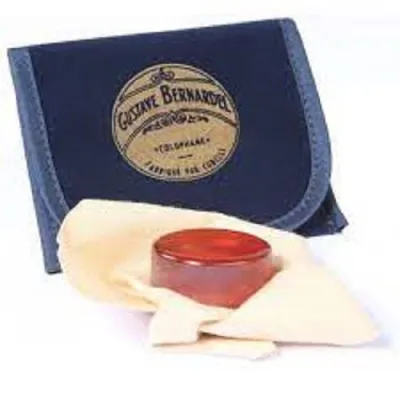
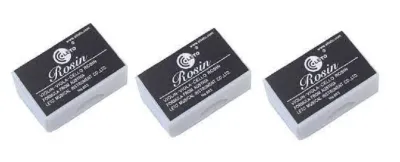
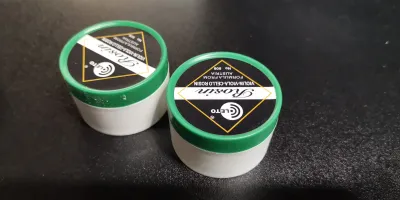
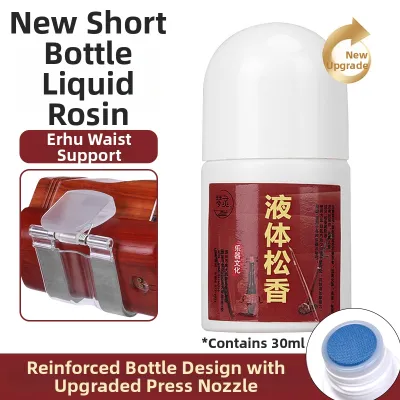
Prices are valid at publication and may change. Please refer to the product page for the latest price.
Harder rosin formulations generally perform with greater stability and last longer in tropical, non-air-conditioned environments. Because hard rosin has a higher melting point, it remains crystalline and powdery even when the temperature rises. This dry, fine powder provides a clean, predictable friction between the bow hair and the strings, preventing the stickiness that often plagues softer alternatives in warm weather.
Transitioning between air-conditioned practice rooms and humid outdoor or community spaces also impacts rosin stability. Moving from a chilled rehearsal hall to a warm outdoor stage causes rapid condensation to form on your instrument and bow hair. This sudden moisture can cause a freshly applied soft rosin to seize up or lose its grip entirely, whereas a harder rosin formulation tends to tolerate these rapid environmental shifts much more reliably.
Match Rosin Hardness to Your String Instrument
Your instrument’s string tension and gauge dictate the baseline rosin hardness you require. Violin and viola players typically require harder, lighter-colored rosins. The thinner, high-tension strings of these instruments need a light, precise grip to initiate vibration without producing surface noise. Using a rosin that is too soft on a violin can make the bow feel sluggish and produce a heavy, choked sound that lacks clarity.

Cellos have thicker strings that require a moderate amount of stickiness to draw out a full, resonant tone. A medium-to-soft rosin formulation strikes the appropriate balance for cellists, offering enough bite to grab the lower strings while remaining clean enough to avoid scratchiness on the upper strings. In a humid climate, cellists often lean toward the firmer end of the medium spectrum to prevent the rosin from becoming too gummy.
Double bass players require the softest, stickiest rosin formulations to overcome the immense inertia of their thick steel or gut strings. Bass rosin is formulated to be highly pliable, but this makes it exceptionally vulnerable to Singapore’s heat. Bassists must exercise caution, as the softest formulations can easily melt into a useless puddle if left in a warm room or transported in a hot vehicle.
It is also important to check your string manufacturer’s recommendations, as different core materials alter your rosin needs. Synthetic core strings and steel core strings generally respond well to standard hard or medium rosins. Traditional gut strings, which are highly sensitive to humidity themselves, often require a slightly grippier formulation to maintain traction when the air is damp, requiring careful balance to avoid excessive buildup.
Light vs. Dark Rosin: Choosing the Right Formulation
The visual difference between light and dark rosin reflects distinct chemical properties and manufacturing processes. Light rosin is typically harvested in the spring, distilled at lower temperatures, and remains hard and non-sticky. Dark rosin is collected later in the season and cooked longer, resulting in a softer, stickier, and more pliable cake that is highly sensitive to temperature changes.
These physical differences directly translate to distinct tonal characteristics. Light rosin produces a smoother, brighter, and more focused sound, making it highly suitable for soloists and high-pitched instruments. Dark rosin offers a warmer, broader, and more aggressive grip, which can help round out a bright-sounding instrument or assist in drawing a deep, robust sound in large orchestral sections.
Some manufacturers introduce synthetic additives or metallic infusions, such as gold, silver, or copper, to alter the rosin’s grip and tonal profile. Gold infusions are designed to smooth out harsh high notes and add warmth, while silver infusions can enhance brightness and projection. When evaluating these premium options, consider whether your current setup feels too bright or too dull in local humidity before deciding if a specialized metallic formulation is necessary.
Adjust for Your Playing Level and Practice Environment
Your skill level and typical playing venues should also influence your choice of rosin. For beginners, standard, affordable student-grade rosin cakes are highly practical. These formulations are durable, resistant to melting, and provide a consistent, reliable grip that helps students focus on developing foundational bow control without the distraction of complex tonal adjustments.
Advanced players and professionals often prefer soloist or orchestral grade rosins, which use highly purified resins to produce significantly less dust. This reduction in dust is beneficial for preserving your instrument’s varnish and preventing the inhalation of fine particles during long practice sessions. These premium formulations offer a wider dynamic range, cleaner articulation, and more nuanced tonal control.
Your typical performing venue is another critical factor to consider. If you perform primarily in consistently air-conditioned concert halls, you can safely use slightly softer or medium-grade rosins. However, if your schedule includes outdoor performances, community events, or rehearsals in naturally ventilated spaces, keeping a cake of harder rosin in your case is a practical safeguard against humidity-induced stickiness.
Apply and Store Rosin Properly in Humid Conditions
Proper application technique is essential to prevent rosin buildup and maintain a clean tone. Avoid vigorously scrubbing the bow hair back and forth across the cake, as this friction generates heat that can melt the rosin and cause uneven clumping. Instead, draw the bow hair slowly and smoothly from frog to tip, applying a few light, even passes; over-rosining in a humid climate quickly leads to a sticky, unplayable mess.
Cleaning rosin dust off your instrument is critical for preserving its appearance and sound. Rosin dust is naturally acidic and attracts moisture from the air. In Singapore’s humid environment, this dust can quickly fuse with the wood’s varnish, creating a hard, unsightly crust that dampens the instrument’s natural vibrations. After every playing session, use a dry, clean microfiber cloth to gently wipe down the strings, fingerboard, and the top plate of your instrument.
Proper storage is vital to prevent your rosin from melting or degrading. Never leave your instrument case or rosin cake in a parked vehicle, where internal temperatures can easily exceed 50 degrees Celsius and melt the cake completely. Store your rosin in its protective cloth wrap or container inside your instrument case, ideally in a cool, dry room, and consider using silica gel packets in your case to help manage localized moisture.
Knowing when to replace your rosin is just as important as storing it correctly. While rosin does not have a strict expiration date, it does dry out and lose its effectiveness over time. If your rosin cake develops a glassy, hard surface that no longer transfers powder to the bow hair, or if it has partially melted and reformed with embedded dirt, it is time to replace it with a fresh cake.
Frequently Asked Questions (FAQ)
How often should I rosin my bow in a humid climate?
You should rely on tactile and visual cues rather than a strict schedule to determine when to apply rosin. If your bow slips on the strings or requires excessive downward pressure to produce a clear sound, it is time for a light application. In humid conditions, apply rosin sparingly—typically every 4 to 6 hours of actual playing time—to prevent the bow hair from becoming gummy and overloaded.
Can I mix light and dark rosin on the same bow?
While you can physically mix different rosins on a single bow, doing so can lead to unpredictable patches of grip and slickness along the hair. If you want to switch from a soft, dark rosin to a harder, light rosin, it is best to have the bow hair professionally cleaned or re-haired first to ensure a consistent, reliable response across the entire length of the bow.
Community discussion
Share your experience or ask a question. Comments are reviewed before publication.