
To protect a digital piano or keyboard, a precise cover is not a luxury—it is a maintenance necessity. Finding the right yamaha piano cover requires understanding your instrument’s unique physical dimensions and environmental risks. A cover that is too tight can strain seams and scratch delicate finishes, while a loose cover leaves gaps that invite dust and moisture inside.
In Singapore’s tropical climate, where relative humidity often exceeds 80 percent, improper coverage can lead to trapped moisture or dust accumulation that compromises key sensors, action, and internal circuitry. Measuring your physical instrument is the only reliable way to ensure proper protection and long-term playability.
Step 1: Identify Your Yamaha Instrument Category
Yamaha manufactures a wide range of keyboard instruments, each requiring a distinct style of protection. Before taking any measurements, identify which category your instrument falls under, as this dictates the type of cover you need.
Products mentioned in this guide
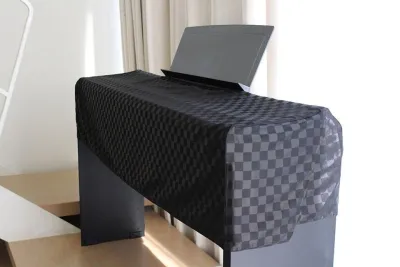
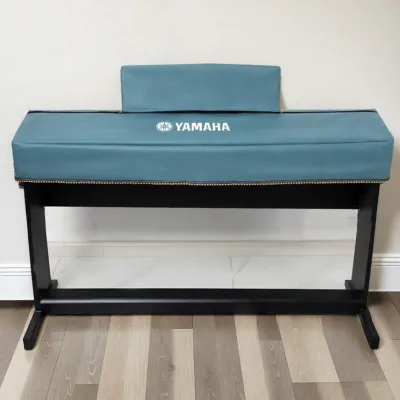
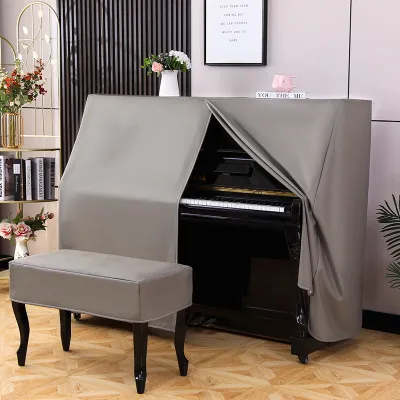
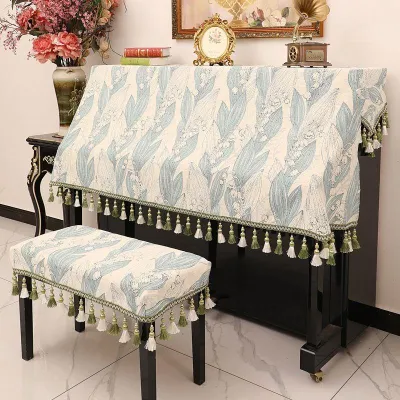
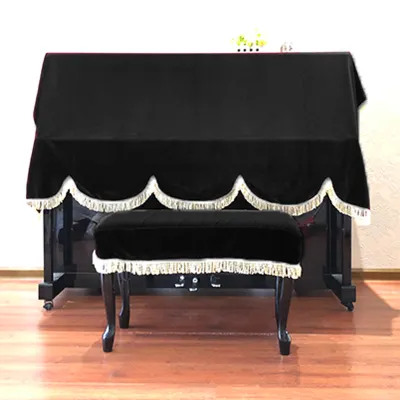
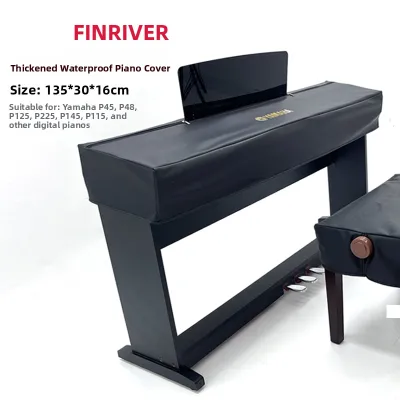
Prices are valid at publication and may change. Please refer to the product page for the latest price.
Portable Keyboards (P-Series and PSR-Series): Portable digital pianos, such as the Yamaha P-145 or P-225, and arranger keyboards like the PSR series, are designed for mobility. These instruments typically sit on open X-stands, Z-stands, or table-style stands. For these models, you generally need a lightweight, easily removable dust cover or a semi-rigid gig bag. The focus is primarily on covering the keyboard bed and top panel to prevent dust from settling between the keys.
Console Digital Pianos (YDP Arius Series): Console models, such as the YDP-165, feature fixed wooden stands with integrated side panels, backboards, and pedal lyres. These instruments are designed to look like traditional acoustic upright pianos. A cover for a console piano needs to drape over the side panels, the entire keyboard chassis, and down toward the pedal board.
Premium and Hybrid Models (Clavinova CLP and CVP Series): Premium instruments like the Clavinova series feature larger, furniture-grade cabinets with polished wood or matte finishes. These models house sophisticated multi-speaker systems and complex internal acoustics. They require high-quality, precisely tailored full covers or top-board runners that protect the premium finish from UV fading and scratches without trapping heat or moisture.
To ensure you purchase the correct accessory, locate your exact model number. This is typically printed on a sticker on the back panel of the instrument, underneath the keyboard chassis, or near the power input. Write this model number down, as you will need it to cross-reference manufacturer specifications. Note that dimensions can change slightly between product generations, so knowing the exact model suffix is crucial.
Step 2: How to Measure Your Piano Accurately
Relying solely on generic product descriptions like “88-key cover” often leads to a poor fit. Yamaha models vary significantly in chassis depth, bezel thickness, and height. Taking physical measurements of your instrument is the most reliable path to a perfect fit.

Gather the Right Tools: Use a flexible tailor’s measuring tape rather than a rigid metal construction tape. Metal tapes have sharp edges that can easily scratch polished plastic or wood finishes, and they do not conform easily to curved chassis profiles.
Measure the Width (Length): Extend the tape measure from the absolute outer left edge of the keyboard chassis to the absolute outer right edge. Be sure to include any protruding side panels, wooden end blocks, or permanently attached brackets. If your keyboard has integrated music rest hinges that extend beyond the main chassis, include them in this measurement.
Measure the Depth: Measure from the very front lip of the keys straight back to the furthest point of the rear panel. For console digital pianos, this means measuring the depth of the top flat surface. For portable keyboards, measure the deepest part of the plastic housing, which is often near the center control panel.
Measure the Height: The height measurement depends on your instrument type. For portable keyboards on a stand, measure from the bottom of the keyboard chassis to the highest point on the top panel. If you plan to leave the music rest attached, fold it flat (if possible) and measure to its highest point. For console digital pianos, measure from the floor to the top of the cabinet. If the music rest is fixed and non-collapsible, measure from the floor to the very top of the music rest.
Account for Cable Clearance: Do not forget to account for any cables plugged into the back or sides of the instrument. Side-mounted headphone jacks or rear-facing power and USB cables can add two to three centimeters of required clearance. If your cover is too tight, it can bend these connectors, damaging the ports over time.
A Crucial Measurement Tip: Always measure the physical instrument sitting in your home rather than copying dimensions from an online manual. Protruding cables, aftermarket sustain pedals, or custom music stands can alter the clearance your cover requires.
Step 3: Understand Yamaha Piano Cover Styles and Size Charts
Once you have your measurements, you must select a cover style that matches your playing habits and environmental conditions. Different styles offer varying levels of protection and accessibility.
Top Covers vs. Full Enclosures: Simple top covers, often called dusters, cover only the top surface and keys. They are ideal for daily players who want quick, convenient access to the instrument. Full drop covers, on the other hand, drape entirely over the front, sides, and back of the instrument. These are highly recommended for long-term storage or for homes in high-humidity areas where dust and ambient moisture are persistent threats.
Reading Size Charts: Retailers list cover sizes by internal dimensions (length, width, and height). When comparing your measurements to a size chart, look closely at the “drop length.” This is the vertical distance the fabric hangs down. For a portable keyboard on a stand, a drop length of 15 to 20 centimeters is usually sufficient to cover the keys and controls. For a console piano, you may want a full drop that extends nearly to the floor.
Material Considerations: The material of your yamaha piano cover is critical for the health of digital electronics. Choose breathable, anti-static fabrics such as high-density velvet, brushed cotton, or specialized breathable polyester blends. These materials allow heat generated by the piano’s internal amplifiers and power supplies to dissipate. Avoid heavy, non-breathable vinyl or cheap plastic covers. In humid climates like Singapore’s, non-breathable materials can trap ambient condensation against the keybed, leading to sticky keys or corroded contacts.
Step 4: Match Dimensions and Verify the Fit
With your physical measurements and preferred cover style in mind, you can proceed to verify the fit. Never choose a cover that matches your piano’s dimensions exactly; you need a small margin of error.
Calculate the Clearance Allowance: Choose a cover that is roughly one to three centimeters larger than your piano’s physical width and depth. This small buffer ensures the cover is easy to slip on and off without snagging on the corners of the instrument or putting structural strain on the cover’s seams.
Account for the Music Rest: The music rest is the most common source of sizing errors. If your Yamaha model has a removable music rest, decide if you are willing to remove it every time you cover the instrument. If you prefer to leave it attached, you must select a cover designed with a zippered slot or a raised middle section to accommodate the rest. Covering a fixed music rest with a flat cover will cause the fabric to tent, leaving the front keys exposed to dust.
Verify Pedal and Bench Clearance: For console models, ensure the front drape of the cover does not pool excessively on the floor. A cover that drags on the ground can collect dust, create a tripping hazard, or wick up moisture during floor cleaning. Ideally, the cover should hover about one to two centimeters above the floor.
Check Return Policies: Because universal covers are designed to fit a wide range of brands, they may not align perfectly with Yamaha’s specific chassis shapes. Always purchase from retailers that offer a clear return or exchange policy, allowing you to test the fit on your specific model risk-free.
Common Sizing Mistakes to Avoid
Avoiding a few frequent pitfalls can save you the hassle of returning an ill-fitting product or, worse, damaging your instrument.
Relying Solely on Key Count: A common mistake is buying a cover labeled simply as an “88-key cover.” While almost all digital pianos have 88 keys, their physical cabinet designs vary dramatically. A slim, portable Yamaha P-145 is significantly narrower and shallower than a cabinet-style Clavinova CLP-735, yet both are 88-key instruments. Always match physical dimensions, not key counts.
Ignoring Ventilation Requirements: Digital pianos contain electronic circuit boards, amplifiers, and power adapters that generate mild heat during use. If you cover the instrument immediately after a long practice session with a heavy, non-breathable cover, you risk trapping that heat. Always allow the instrument to cool down for a few minutes before covering it, and avoid completely sealed plastic enclosures.
Using Abrasive or Shedding Fabrics: Avoid cheap felt or low-grade wool covers that shed fibers. These tiny fibers can slip between the keys and settle on the rubber contact strips underneath, leading to dead keys or inconsistent volume response. Opt for tightly woven, lint-free materials.
Frequently Asked Questions (FAQ)
Can I use a generic keyboard cover for my Yamaha Clavinova?
While a generic 88-key keyboard cover may stretch over the keybed of a Yamaha Clavinova, it is rarely a suitable solution. Clavinova models feature deep, furniture-style cabinets, sliding key covers, and integrated music rests that generic elastic covers cannot accommodate. Using an ill-fitting cover can scratch the polished wood finish and leave the lower cabinet exposed. For premium console models, it is highly recommended to invest in a custom-fit cover or one specifically designed for console-style digital pianos.
Should a full cover for a digital piano touch the floor?
Ideally, a full cover for a console digital piano should hover just above the floor, about one to two centimeters. This prevents the fabric from pooling on the ground, where it can collect dirt, pet hair, and moisture from floor cleaning. A cover that is slightly off the floor also ensures that you do not accidentally step on the fabric, which could pull the cover and potentially scratch the instrument’s upper cabinet.
Community discussion
Share your experience or ask a question. Comments are reviewed before publication.