
Finding the perfect steel tongue drum stand is essential for unlocking the full acoustic potential of your instrument while ensuring a comfortable, ergonomic playing experience. While these beautiful, meditative percussion instruments are often played on the lap, using a dedicated stand provides structural stability, frees up your movement, and prevents the dampening of sound that naturally occurs when the drum rests against your body. Whether you are practicing in a compact high-rise apartment, performing in a local community space, or recording in a studio, selecting a stand that matches your drum’s physical specifications is the key to a secure and resonant setup.
Choosing the wrong stand can lead to unstable playing surfaces, muffled tones, or even accidental damage if the instrument slips. Because steel tongue drums vary widely in diameter, height, weight, and base design, there is no single one-size-fits-all support system. By taking precise measurements and understanding how different stand designs interact with your drum’s unique shape, you can confidently select a support system that keeps your instrument safe and perfectly positioned for every session.
Measure Your Drum's Dimensions and Weight
Before browsing online marketplaces or visiting a local music shop, you must gather the exact physical measurements of your steel tongue drum. Start by measuring the outer diameter of the drum at its widest point. If your drum features a protective decorative rope wrapped around its middle seam, be sure to include this wrapping in your measurement, as it adds extra width that can affect how the drum sits within a stand’s cradle.
Products mentioned in this guide
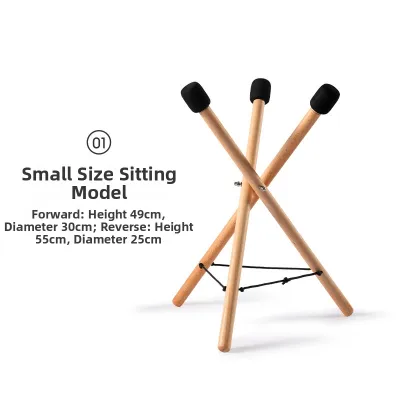
Prices are valid at publication and may change. Please refer to the product page for the latest price.
Next, measure the total height of the drum from the very bottom rim to the highest point of the top dome. This measurement is crucial for determining how high the instrument will sit once placed on a stand, helping you calculate whether the stand can adjust to your preferred playing height. A drum with a deep bottom dome will require a stand with sufficient clearance underneath to prevent the metal shell from bottoming out against the stand’s central support column.
Weighing your drum is equally important, as steel tongue drums are constructed from heavy-duty steel alloys and can be surprisingly heavy. Use a digital scale to find the exact weight of your instrument, as guessing can lead to purchasing an under-rated stand that may wobble or collapse. Knowing the precise weight allows you to cross-reference it with the maximum load capacity of potential stands to ensure a completely safe setup.
Finally, inspect the base of your drum to identify any specific design features, such as built-in silicone feet, rubber pads, or a central resonance plug. Some drums have flat bottoms, while others are highly rounded or feature three distinct feet spaced around the lower rim. Noting these physical characteristics will help you determine whether you need a flat platform stand, a ring-style cradle, or an adjustable three-arm basket that can grip the drum securely without interfering with its base protrusions.
Compare Stand Types for Your Playing Environment
Selecting the right category of stand depends heavily on where and how you plan to play your steel tongue drum. Desktop or mini stands are highly compact, low-profile supports designed to sit on tables, desks, or even the floor. These stands are excellent for seated practice sessions, sound therapy work, or yoga classes where you want the drum positioned close to the ground. Their small footprint makes them incredibly easy to store, which is a major advantage for musicians living in cozy apartments where space is limited.

Tripod or floor stands elevate the drum to a standard playing height, making them the ideal choice for standing performances, busking, or playing while seated in a standard chair. These stands feature three extending legs that spread outward to create a highly stable base. If you plan to perform outdoors in local parks or on uneven surfaces, a tripod stand with individually adjustable legs will allow you to level the instrument perfectly regardless of the terrain.
If you own multiple steel tongue drums of varying sizes, or if you also play other percussion instruments like handpans or snare drums, an adjustable multi-purpose percussion stand is a highly versatile investment. These heavy-duty stands feature modular arms or adjustable baskets that can expand or contract to accommodate different diameters. While they tend to be heavier and less portable than dedicated tongue drum stands, their robust construction and adaptability make them a favorite for studio environments and multi-instrumentalists.
Verify Load Capacity and Structural Stability
When evaluating a steel tongue drum stand, structural integrity must be a top priority to protect your instrument from costly drops. Always compare the manufacturer’s stated maximum load capacity against the actual weight of your drum. It is wise to choose a stand that supports significantly more than your drum’s weight; this safety margin accounts for the downward physical force applied when you strike the tongues firmly with mallets or your hands during energetic playing.
Inspect the physical footprint and leg design of any floor stand you consider. Stands with double-braced legs offer far superior stability and resistance to twisting compared to single-braced models. A wider leg spread distributes the weight more evenly across the floor, reducing the risk of the stand tipping over if it is accidentally bumped by a passerby or shaken by heavy floor vibrations during a performance.
Pay close attention to the quality of the joints, adjustment collars, and locking mechanisms. Look for stands that utilize heavy-duty metal casting for the joints and robust, easy-to-grip wing nuts or tension knobs. Avoid stands that rely heavily on thin plastic components at critical load-bearing points, as these parts can crack over time under constant pressure and the high-humidity conditions typical of tropical climates, leading to sudden structural failure.
Evaluate Contact Points and Surface Protection
To preserve both the physical appearance and the acoustic quality of your steel tongue drum, you must carefully examine the stand’s contact points. The areas where the stand supports the drum should be generously padded with high-density foam, soft rubber, or silicone sleeves. This protective barrier prevents the hard metal of the stand from scratching, scuffing, or chipping the painted, powder-coated, or heat-treated finish of your drum.
Beyond physical protection, the material and placement of these contact points directly impact the drum’s resonance. If a stand grips the drum too tightly or covers too much surface area on the vibrating steel shell, it will muffle the sound, shorten the sustain, and deaden the rich overtones of the notes. Look for minimalist cradle designs that support the drum along its non-vibrating outer rim or at specific structural points, allowing the body of the instrument to vibrate freely and project its natural, airy tone.
Ensure that the cradle width or platform size matches your drum’s diameter without creating a tight squeeze or leaving dangerous gaps. A cradle that is too small will force the drum to sit awkwardly on top of the support arms rather than cradled securely within them, making it highly prone to sliding off. Conversely, a cradle that is too large may allow the drum to shift around during play, disrupting your rhythm and focus.
Check Height and Angle Adjustability for Ergonomics
Maintaining proper posture while playing is essential for preventing wrist fatigue, neck strain, and back discomfort during extended practice sessions. Check the minimum and maximum height ranges of the stand to ensure it can be adjusted to align perfectly with your body. Ideally, when seated or standing, the top surface of the drum should sit just below your elbow height, allowing your forearms to remain relatively parallel to the ground as you play.
An adjustable tilt mechanism is another highly valuable feature to look for in a stand. Being able to angle the face of the drum slightly toward you makes it much easier to see the layout of the tongues and strike them cleanly with mallets or fingers. This tilt is especially helpful for shorter players or when playing complex, fast-paced melodies that require precise hand placement across the entire surface of the instrument.
Once you find a stand with the right height and tilt adjustments, verify that the locking mechanisms are strong enough to hold those angles securely. High-quality stands often feature memory locks—metal collars that clamp onto the tubing to memorize your height settings. These locks prevent the stand from slowly slipping downward under the repetitive impact of your strikes, ensuring your ergonomic setup remains perfectly consistent throughout your entire practice session.
Use a Pre-Purchase Compatibility Checklist
Before making your final decision and purchasing a steel tongue drum stand, run through a quick verification routine to ensure a perfect match. Double-check your drum’s measured diameter and weight against the stand’s official specifications. If your drum has a unique shape or a highly rounded bottom, contact the retailer or manufacturer to confirm that the stand’s cradle design can accommodate those specific contours without compromising stability.
It is highly recommended to purchase your stand from a retailer that offers a clear, hassle-free return and exchange policy. Because the physical interaction between a specific drum model and a stand can sometimes be unpredictable, having the option to test the setup at home and return it if it wobbles or muffles the sound provides valuable peace of mind. This is particularly important if you are buying a generic percussion stand rather than one specifically branded for your drum.
Finally, take the time to read through user reviews and community forums, searching specifically for mentions of your drum’s size or brand. Other musicians often share practical feedback regarding how well a stand holds up over time, whether the rubber padding leaves marks on certain finishes, and if the stand is easy to fold down and transport. Gathering this real-world information ensures you invest in a durable, high-performing stand that will support your musical journey for years to come.
Frequently Asked Questions (FAQ)
Can I Use a Standard Snare Drum Stand for a Steel Tongue Drum?
While a standard snare drum stand can physically hold a steel tongue drum, it is generally not the most ideal option. Snare stands utilize a three-arm metal basket designed to grip the rigid, heavy rims of a snare drum tightly. When you place a steel tongue drum into this type of basket, the metal arms can easily scratch the delicate finish of your instrument if they are not heavily padded. Furthermore, the tight grip required to keep the drum stable can muffle the natural vibrations of the steel shell, significantly reducing the instrument’s sustain and resonance. If you do choose to use a snare stand, ensure you wrap the contact arms in extra foam or microfiber cloth to protect the finish and avoid over-tightening the basket.
Do I Need a Special Stand if My Drum Has Silicone Feet?
If your steel tongue drum comes equipped with built-in silicone or rubber feet on the bottom, you do not necessarily need a highly specialized stand, but you must choose one that accommodates these protrusions. A flat platform stand or a ring-style cradle with wide, flat support pads works best, as these designs allow the silicone feet to rest naturally without causing the drum to sit unevenly. Avoid narrow wire cradles or stands with thin, angled support arms that might force the silicone feet to sit at awkward angles, which can make the drum unstable and prone to tipping. Ensuring the feet sit flat on the stand’s padded surfaces will maintain both the stability of the setup and the acoustic isolation of the instrument.
Community discussion
Share your experience or ask a question. Comments are reviewed before publication.