
Establishing a daily mindfulness practice often requires finding a physical medium that encourages focus, patience, and reflection. A sutra copying book serves as a structured tool for this journey, offering a dedicated space to slow down, practice calligraphy, and engage with traditional philosophical texts. Choosing the right book involves aligning your personal practice goals—whether they are stress relief, artistic improvement, or spiritual devotion—with the book’s physical format, text length, and paper specifications. By matching your experience level with the appropriate layout and paper quality, you can establish a sustainable routine that supports both your writing tools and your mental well-being.
Understanding Your Practice Goals and Experience Level
Before browsing online marketplaces or visiting local bookstores, it is essential to clarify what you hope to achieve through your copying practice. For many individuals, the primary goal is mindfulness and stress relief. In a fast-paced environment like Singapore, where daily schedules are demanding, spending fifteen to thirty minutes focusing entirely on the stroke of a pen can serve as a powerful grounding ritual. If your main objective is to find a quiet escape from digital screens, your choice should prioritize ease of use and low-pressure formats that do not require advanced calligraphy skills.
Alternatively, your goals might lean toward calligraphy improvement or artistic cultivation. Writing traditional characters requires a steady hand, an eye for proportion, and an understanding of stroke order. If you are using this practice to refine your handwriting, you will need a book that provides clear structural guidance, such as grid lines or faint tracing outlines. This artistic focus demands a different level of attention to paper texture and layout spacing compared to a purely meditative practice, as the physical feedback of the pen against the page directly influences your technical progress.
Products mentioned in this guide
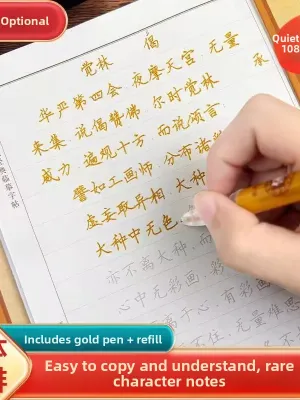
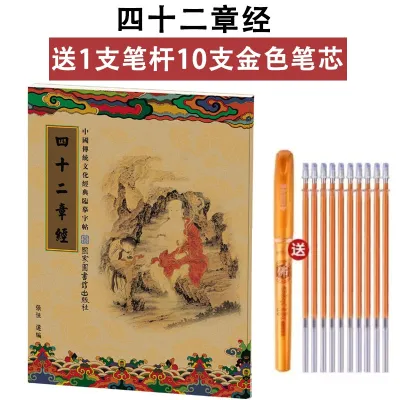
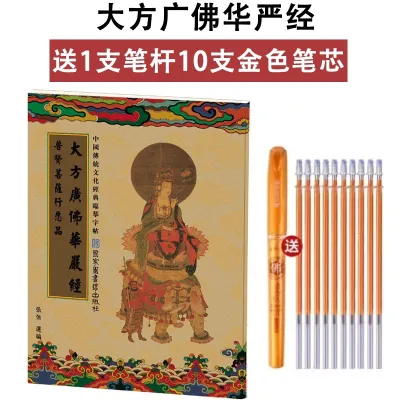
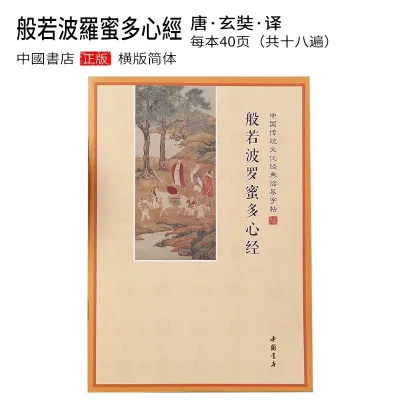
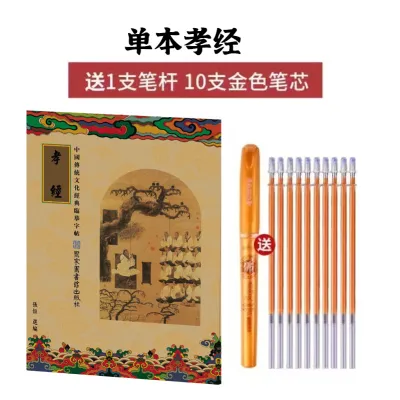
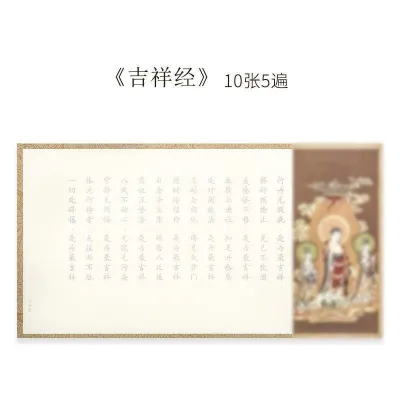
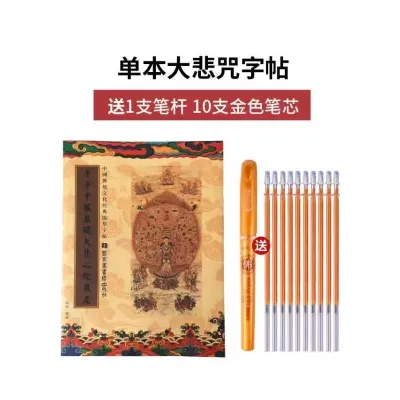
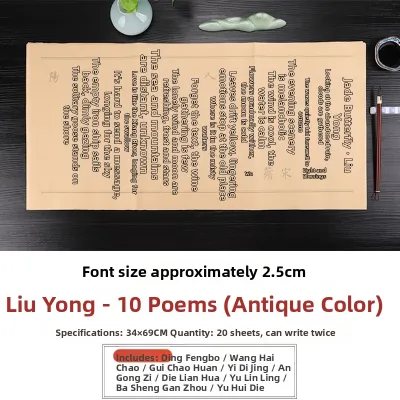
Prices are valid at publication and may change. Please refer to the product page for the latest price.
For others, sutra copying is a deeply personal devotional practice or a method of accumulating spiritual merit. This path often involves copying longer, more complex texts with a high degree of reverence and intent. Devotional practitioners may commit to completing entire volumes over several months, making the durability, completeness, and traditional accuracy of the text paramount. Understanding where you sit on this spectrum—from casual mindfulness to serious calligraphic study or dedicated spiritual practice—will prevent you from purchasing a book that feels either too overwhelming or too simplistic for your needs.
Your daily time commitment and physical environment also play a significant role in determining the suitable book size and format. A large, heavy volume might be suitable for a spacious study desk at home, but highly impractical if you plan to carry it in your bag to copy during a quiet lunch break or while traveling. Assessing how much time you can realistically dedicate to each session helps you choose a book with manageable page divisions. A book that allows you to complete a meaningful section within your available time frame will encourage consistency, whereas a layout that requires hours of uninterrupted effort can quickly lead to frustration and abandoned practice.
Pre-Printed vs. Blank Sutra Copying Books
One of the key decisions you will make is choosing between a pre-printed tracing format and a completely blank layout. Pre-printed books, often featuring faint gray characters or dotted outlines, are highly suitable for beginners and those seeking immediate stress relief. These tracing formats remove the anxiety of making mistakes or ruining a page, allowing you to focus entirely on the physical act of writing and breathing. The guided lines help maintain visual focus, preventing your eyes from wandering and keeping your mind anchored to the immediate stroke.

Tracing books also serve as a practical educational tool for those unfamiliar with traditional character structures. By following the pre-printed paths, your hand naturally develops muscle memory for correct stroke order and spacing. This structural support is highly reassuring, especially during your first few weeks of practice when blank pages might feel intimidating. It allows you to experience the meditative benefits of the practice immediately, without requiring years of prior calligraphic training.
In contrast, blank grid or lined pages offer complete freedom for experienced practitioners who have already developed a steady hand and a confident writing style. These formats allow you to choose your own character sizing, spacing, and overall layout. Writing on a blank grid requires a higher level of concentration, as you must plan each character’s position and proportions without external guidance. This added challenge can deepen your focus, turning the practice into an active exercise in spatial awareness and mental discipline.
For those looking to grow their skills, a gradual transition from pre-printed to blank formats is highly effective. You might begin with a book that features heavy tracing guides, move to a version with only faint center-point grids, and eventually progress to a completely blank layout. This step-by-step progression ensures that your handwriting skills and concentration levels develop in tandem. By matching the layout’s level of guidance to your current confidence, you ensure that the practice remains a source of calm rather than a cause of frustration.
Choosing the Right Sutra Text for Your Spiritual Focus
The specific text contained within the book is just as important as its physical layout, as different texts demand varying levels of time, energy, and comprehension. For beginners or those with limited daily time slots, short texts like the Heart Sutra are highly suitable. Consisting of fewer than three hundred characters, the Heart Sutra can often be copied in a single, focused session lasting thirty to forty minutes. This brief duration makes it easy to integrate into a busy daily routine, providing a complete sense of accomplishment without requiring a massive time commitment.
Longer texts, such as the Diamond Sutra or the Medicine Sutra, require a much deeper level of concentration and an extended commitment. These texts are typically divided into multiple chapters or sections, designed to be copied over several weeks or even months. Engaging with a longer text is highly suitable for those undertaking extended personal retreats, fulfilling specific devotional vows, or seeking a long-term project that fosters patience and endurance. The repetitive, daily engagement with a single, long text can create a strong sense of continuity and mental stability over time.
Beyond length, it is crucial to verify the language version and translation style of the book before purchasing. Sutra copying books are available in various formats, including Classical Chinese characters, modern translations, and bilingual editions that feature side-by-side commentary. If your goal is purely calligraphic or traditional, Classical Chinese characters are the standard choice. However, if you wish to contemplate the philosophical meaning of the words as you write, choosing an edition that includes clear, modern explanations or translations in your preferred language will significantly enhance your connection to the practice.
Before finalizing your choice, take a moment to review the completeness of the text provided in the book. Some editions may offer abbreviated versions or selected excerpts rather than the full scripture. While excerpts can be suitable for quick, casual practice, serious practitioners or those copying for religious merit usually prefer complete, unabridged editions. Checking the table of contents or product descriptions carefully ensures that the book matches your expectations and respects the traditional integrity of the text.
Evaluating Paper Quality, Binding, and Layout
The physical construction of a sutra copying book directly impacts the comfort and quality of your writing experience. Paper weight and texture are the primary factors to evaluate, especially when considering the type of pen you plan to use. Standard lightweight paper, often found in budget-friendly notebooks, is highly prone to ink bleed-through and feathering. If you prefer using fountain pens, gel pens, or traditional brush pens with heavy ink flow, you should look for books that specify a paper weight of at least 100 gsm (grams per square meter) or those made from specialized calligraphy paper that absorbs ink without spreading.
The texture of the paper also influences the tactile feedback of your pen. Highly smooth, coated papers can cause gel pens to slip, making it difficult to control your strokes, while overly rough papers can snag fine fountain pen nibs or wear down brush tips. For optimal results, the paper should have a slight tooth—a subtle texture that provides just enough resistance to guide your hand smoothly across the page. Testing a small corner of the page with your preferred writing instrument, if possible, is an effective way to ensure compatibility before committing to a full session.
Binding is another crucial design element that is frequently overlooked. A standard glued or tightly bound spine can make it challenging to write near the inner margins, forcing you to constantly hold the book down with one hand while writing with the other. This physical strain quickly leads to hand fatigue and disrupts your mental focus. To avoid this, look for books featuring lay-flat binding, such as thread-sewn or open-spine designs. A book that lies completely flat on your desk allows you to write comfortably across the entire page, ensuring a seamless and relaxing practice from the first character to the last.
Finally, pay close attention to the grid size and margin spacing of the layout. Larger grids are highly beneficial for beginners and those using brush pens, as they provide ample room to execute complex strokes clearly. Smaller grids, on the other hand, are better suited for fine-tip gel pens or fountain pens and allow for a more compact, traditional aesthetic. Generous margins around the edges of the page not only provide a clean, balanced visual appearance but also offer a comfortable resting space for your hand as you write near the borders, preventing smudging and maintaining neatness.
Building Your Sutra Copying Shortlist
When you are ready to purchase a sutra copying book, synthesizing these physical and textual criteria into a practical checklist will help you make an informed decision. Whether you are shopping at a local bookstore in Singapore or browsing online marketplaces, start by verifying the exact edition, language, and page count of the book. Do not rely solely on attractive cover art or spiritual imagery, as these external designs do not guarantee the quality of the paper or the accuracy of the text inside. Always look for detailed product descriptions or customer photos that show the actual interior layout and paper texture.
Next, match the book’s specifications to the writing instruments you already own or plan to purchase. If you intend to use a traditional ink brush, ensure the product description explicitly states that the paper is suitable for wet ink mediums. If you prefer the convenience of modern gel pens, verify that the grid size is not too large for a fine-tip pen. Taking stock of your existing tools beforehand prevents the disappointment of receiving a book that is incompatible with your favorite pen, saving you both time and additional expense.
Lastly, consider your budget and the overall value of the book. While budget-friendly options are widely available, investing slightly more in a high-quality, lay-flat book with premium paper can significantly enhance your practice. In Singapore, prices for quality sutra copying books typically range from S$10 to S$30, depending on the binding style, paper quality, and text length. By choosing a book that fits comfortably within your budget while meeting your physical and spiritual requirements, you set yourself up for a rewarding, long-term mindfulness practice.
Frequently Asked Questions (FAQ)
Do I need special pens for a sutra copying book?
You do not need highly specialized or expensive pens to begin your practice, but matching your writing instrument to the book’s paper is essential for a smooth experience. Before writing, check the paper weight and finish; standard gel pens and fine-liner pens work well on most paper types without bleeding. If you prefer using fountain pens or traditional brush pens, ensure the book features heavier, high-density paper to prevent ink from feathering or soaking through to the reverse side. If you are unsure of the paper’s quality, test your pen on a blank corner or use a protective blotter sheet underneath the page.
How should I store a completed sutra copying book?
Proper storage of a completed book is important both to preserve your hard work and to show respect for the traditional nature of the texts. Store your completed books in a dry, clean environment away from direct sunlight, high humidity, and moisture, which can cause paper to yellow or warp over time. It is recommended to place the book flat or upright on a dedicated bookshelf rather than leaving it in high-traffic areas or on the floor. Always handle the book with clean hands, and consider wrapping it in a protective cloth or storing it in a dedicated box for long-term preservation.
Can I use a regular notebook instead of a dedicated sutra book?
While you can technically use any blank notebook for copying, dedicated sutra books offer several distinct advantages that support a structured practice. Purpose-made books typically feature traditional vertical layouts, pre-printed reference texts, and specific grid sizes designed to accommodate traditional character proportions. They also use paper selected specifically to handle calligraphy inks without bleeding. If your priority is casual mindfulness, a high-quality regular notebook with grid lines may suffice; however, if you seek a structured, traditional, and seamless experience, a dedicated sutra copying book is highly recommended.
Community discussion
Share your experience or ask a question. Comments are reviewed before publication.