
Starting your journey in the stock market requires a reliable foundation of knowledge, but the sheer volume of financial media can easily lead to information overload. For beginners, the key is finding educational resources that demystify market mechanics without burying you in complex mathematical formulas or high-risk trading strategies. While the internet is flooded with real-time commentary, structured publications like curated trading magazines and foundational trading books offer a level of editorial oversight and structured learning that raw online feeds rarely match.
Choosing between these formats depends on your immediate learning goals. A well-chosen book provides a timeless, step-by-step framework for understanding how markets operate, how to manage risk, and how to analyze financial statements. Conversely, a reputable trading magazine keeps you connected to current economic shifts, regulatory updates, and real-world applications of those foundational concepts. By combining these two mediums, you can build a balanced study routine that pairs theoretical knowledge with practical, ongoing market context.
To make your selection process efficient, you must evaluate publications based on their educational clarity, editorial independence, and accessibility. This guide outlines the essential criteria for identifying beginner-friendly trading literature, compares the structural benefits of magazines versus books, and provides a practical framework for building a manageable reading schedule that fits your lifestyle.
Products mentioned in this guide
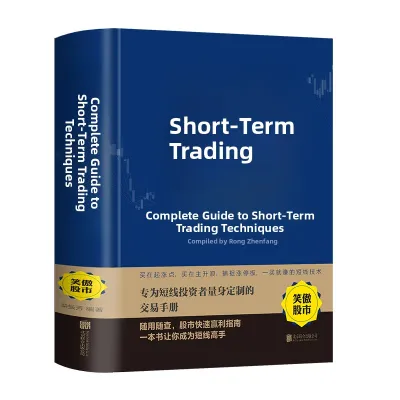


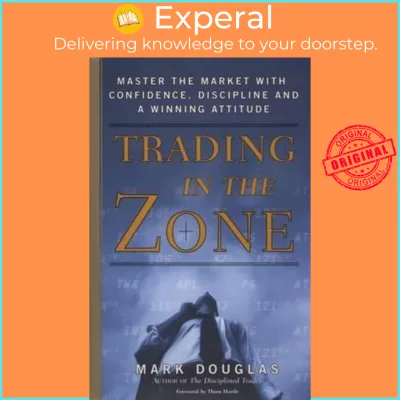
![The Daily Trading Coach: 101 Lessons for Becoming Your Own Trading Psychologist[Hardcover] by Brett Steenbarger](https://img.lazcdn.com/g/p/5739e71c5b60edd5ceee0bb5e79152a2.jpg_400x400q80.jpg_.webp)
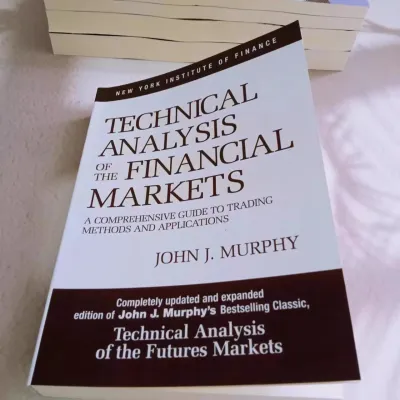
Prices are valid at publication and may change. Please refer to the product page for the latest price.
Key Criteria for Beginner-Friendly Trading Publications
When you are new to the stock market, the quality of your learning materials matters far more than the quantity. The primary purpose of any beginner-oriented publication should be to build your confidence and competence, not to overwhelm you with advanced technical indicators or speculative trading setups. To separate high-quality educational resources from sensationalized financial media, you must look for specific editorial standards and structural features.
First, prioritize publications that focus heavily on foundational concepts. A beginner-friendly resource should dedicate significant space to explaining market mechanics, the basics of fundamental and technical analysis, and the core principles of risk management. Look for articles or chapters that explain how order books work, what determines stock liquidity, and how to calculate position sizes to protect your capital. For example, a high-quality guide will explain the concept of a stop-loss order not as a complex tool, but as a vital safety net that automatically limits potential losses. If a publication skips these fundamentals and immediately pushes complex derivative strategies, leveraged trading, or short-selling techniques, it is not designed for a novice.
Second, evaluate how the publication handles technical jargon. High-quality educational materials do not avoid industry terms, but they always define them clearly upon first mention. Look for books and magazines that feature dedicated glossaries, sidebars explaining key metrics, and clear chart annotations. A chart should not just show price movements; it should have clear labels pointing out support and resistance levels, volume indicators, and moving averages, accompanied by text explaining why these elements matter.
Third, actively avoid publications that promote get-rich-quick schemes, guaranteed returns, or highly speculative trading styles. The financial publishing industry is unfortunately filled with materials designed to sell a lifestyle rather than teach a skill. If a magazine cover promises double-digit weekly returns or a book claims to have discovered a secret, foolproof trading formula, treat it as a marketing brochure rather than an educational tool. Reputable publications are always transparent about the inherent risks of trading and emphasize that consistent profitability requires discipline, time, and continuous learning.
Finally, look for editorial independence and clear disclosures. The authors and contributors should have verifiable backgrounds in finance, economics, or professional trading. More importantly, the publication must clearly disclose any conflicts of interest, such as whether an author holds positions in the stocks being discussed or if a specific section is sponsored content. This transparency ensures that the educational advice you are reading is objective and not a disguised sales pitch for a specific financial product or brokerage service.
Trading Magazines vs. Trading Books: Choosing Your Primary Learning Format
As you begin building your educational library, you will need to decide how to allocate your time and budget between periodic magazines and structured books. Both formats play distinct roles in a trader’s education, and understanding their unique strengths will help you choose the right starting point for your current learning stage.

Trading books are the gold standard for structured, timeless foundational knowledge. Because a book is written as a cohesive, single-author narrative or a highly curated textbook, it allows you to learn concepts in a logical, progressive order. You start with basic definitions, move to simple analysis techniques, and gradually progress to risk management frameworks. The information in a classic trading book does not expire when the market closes; the core principles of supply and demand, human psychology, and risk control remain relevant across decades. Reading a book also encourages a slower, more reflective learning pace, allowing you to digest complex economic theories without the pressure of immediate market movements. For absolute beginners, starting with a few highly regarded trading books is essential for establishing a solid mental framework before attempting to interpret daily market news.
Trading magazines, on the other hand, excel at providing ongoing market context and real-world application. While a book teaches you the theory of how interest rates affect stock valuations, a monthly or quarterly magazine shows you how current central bank decisions are impacting specific sectors right now. Magazines also introduce you to a wider variety of perspectives through interviews with different market professionals, case studies of recent market events, and regular columns dedicated to educational topics. This periodic format helps you transition from passive reading to active market observation, keeping you informed about structural shifts, regulatory changes, and emerging economic trends.
Rather than choosing one format exclusively, the most effective learning strategy is to combine them in a structured way. Use foundational trading books as your primary study material to build your core knowledge base. Simultaneously, use a reputable magazine subscription as a supplementary tool to see how those core concepts play out in the live market. This dual approach ensures that your theoretical knowledge is constantly validated by real-world examples, preventing your study sessions from becoming too abstract or disconnected from actual market conditions.
Evaluating Subscriptions, Digital Access, and Regional Availability
Before committing your hard-earned money to a magazine subscription or a premium book collection, it is crucial to evaluate the practical aspects of delivery, digital access, and subscription terms. Many international financial publications are marketed globally, but the actual user experience can vary significantly depending on your location.
For readers in Singapore, regional delivery feasibility and shipping costs are major considerations for physical print subscriptions. International shipping can easily double the cost of a monthly magazine, and physical copies may arrive weeks after their publication date, rendering time-sensitive market commentary less useful. Therefore, you should verify whether the publisher offers a dedicated digital subscription or a local print distribution network that ensures timely delivery without exorbitant shipping fees. When reviewing subscription prices, always check if the advertised S$ pricing is inclusive of local taxes, international delivery charges, or digital platform access fees.
Digital access is often the most practical and cost-effective option for modern learners, but not all digital subscriptions are created equal. Before subscribing, verify whether the plan includes full access to the publication’s digital archives. Access to past issues is incredibly valuable for beginners, as it allows you to look back at educational series, historical market analyses, and past case studies. Additionally, check the compatibility of the digital platform. Ensure that the magazine can be read comfortably on your preferred devices, whether through a dedicated mobile app, a tablet-friendly e-reader format, or a clean web interface that does not clutter your screen with intrusive advertisements. Some publishers also offer trial periods or basic tiers; utilizing these allows you to test the interface and content quality before committing to a full annual billing cycle.
Finally, pay close attention to the subscription’s billing terms and cancellation policies. Many digital publishing platforms default to automatic renewal, which can lead to unexpected charges on your credit card if you decide the publication is no longer serving your needs. Look for publishers that offer transparent, self-service cancellation options directly through their website or app, rather than requiring you to call an international customer service line. If a publisher makes it difficult to find their cancellation terms or hides them in lengthy terms of service agreements, consider it a warning sign and look for more transparent alternatives.
How to Build a Starter Reading List Without Overwhelming Your Schedule
One of the biggest challenges stock market beginners face is information overload. With thousands of books, magazines, newsletters, and financial news sites available, it is easy to spend all your time reading without actually absorbing or applying any of the information. To build a sustainable learning habit, you must approach your reading list with structure and discipline.
Start by allocating specific, distinct time blocks for different types of reading. For example, you might dedicate thirty minutes on weekend mornings to reading a chapter of a foundational trading book, when your mind is fresh and you can take detailed notes. During the week, you can allocate fifteen minutes a day to skimming your subscribed trading magazine or checking key market updates. This separation prevents “analysis paralysis” and ensures that you are consistently making progress on your core education while staying informed about current market events.
Next, set realistic, sequential learning milestones. Instead of trying to learn technical analysis, fundamental analysis, options trading, and macroeconomic theory all at once, focus on mastering one core concept at a time. For instance, make it your goal for the month to fully understand how to read a balance sheet and an income statement. Limit your reading during that period to book chapters and magazine articles that focus specifically on corporate earnings and fundamental valuation. Once you feel confident explaining these concepts to someone else, you can move on to the next milestone, such as basic technical chart patterns or risk-reward calculations.
Finally, practice active reading by cross-referencing your materials and keeping a dedicated study journal. When you read an article in a trading magazine about a specific sector experiencing volatility due to supply chain disruptions, open your foundational trading books to review the chapters on industry analysis or macroeconomic indicators. Write down how the real-world scenario matches or differs from the theoretical models described in your books. Documenting these observations in a journal not only reinforces your learning but also helps you track your progress over time. This active cross-referencing helps bridge the gap between theory and practice, building the critical thinking skills you need to make independent, informed decisions in the stock market.
Frequently Asked Questions (FAQ)
Are free online trading blogs a good substitute for paid magazines?
While free online trading blogs and social media channels offer immediate access to market commentary, they rarely match the editorial standards of established, paid publications. Paid trading magazines and books rely on subscription revenue, which allows them to employ professional editors, fact-checkers, and experienced financial journalists. This editorial oversight ensures that the information presented is accurate, well-researched, and structured for learning. In contrast, many free blogs rely on advertising revenue or affiliate partnerships, which can create hidden biases. Free content often prioritizes sensational headlines to drive traffic or promotes specific brokerage platforms and financial products without adequate disclosure. For a beginner, investing in a reputable, paid publication is a safer and more reliable way to build a correct foundational understanding of the market.
How can I verify if a trading publication is credible and not a promotional scam?
To verify the credibility of any trading publication or book, start by researching the publisher and the authors. Reputable publications are produced by established media houses, academic institutions, or recognized financial organizations with a long history of editorial integrity. Look up the authors’ professional credentials to confirm they have actual experience in financial markets, economic research, or professional trading, rather than just a self-proclaimed title on social media. Additionally, examine the content for objective analysis. Credible publications present balanced views, discussing both the potential rewards and the significant risks of any trading strategy. If a publication focuses entirely on high-yield success stories, uses aggressive sales tactics, or fails to provide clear disclosures about sponsored content and financial conflicts of interest, you should avoid it.
Should beginners focus on local Singapore market magazines or global publications?
For beginners, a balanced approach that incorporates both local and global publications is highly beneficial, but they serve different educational purposes. Global publications are excellent for learning universal trading principles, technical analysis, risk management frameworks, and macroeconomic concepts, as these fundamentals apply to any stock market in the world. However, if you plan to trade shares listed on the Singapore Exchange (SGX), local publications are invaluable. They provide essential context on regional regulatory frameworks, local tax implications, corporate governance standards, and specific sector dynamics unique to Singapore and Southeast Asia. Starting with global resources to master universal trading principles, while subscribing to a local financial publication to understand the specific mechanics of the local market, offers the most comprehensive preparation for your trading journey.
Community discussion
Share your experience or ask a question. Comments are reviewed before publication.