
Starting your musical journey with the ukulele is an exciting step, but the sheer volume of instructional books available can make it difficult to know where to begin. The ideal ukulele book for an absolute beginner is not a one-size-fits-all solution; rather, it is a guide that aligns with your personal learning style, matches your musical goals, and provides clear, progressive instructions. A well-structured book prevents frustration by breaking down complex physical movements into manageable steps, allowing you to play your first recognizable songs within days.
To find the right book, you must look beyond attractive covers and generic recommendations. You need to evaluate how the material is presented, whether it includes multimedia support, and if it matches the specific tuning of your instrument. By focusing on these core elements, you can select an instructional guide that keeps you motivated, builds correct muscle memory, and establishes a strong foundation for your future playing.
Understanding Your Learning Style and Goals
Every aspiring musician processes information differently, and recognizing your personal learning style is the first step in choosing an effective ukulele book. Visual learners often thrive with books that feature large, high-contrast chord diagrams, color-coded finger placements, and clear photographs showing proper hand positioning. If you struggle to translate static images into physical motion, you will benefit greatly from books that offer integrated audio or video components, allowing you to hear the correct rhythm and pitch before attempting to play.
Products mentioned in this guide



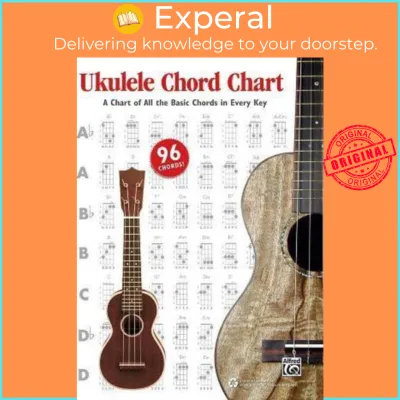
Prices are valid at publication and may change. Please refer to the product page for the latest price.
The pace and structure of the curriculum also play a critical role in your success. Some beginners prefer a highly methodical, step-by-step approach that thoroughly explains music theory, hand anatomy, and notation before introducing songs. This structured path is excellent for building a disciplined foundation but can feel slow for those who want immediate results. Conversely, casual, song-heavy books prioritize quick wins, teaching you a handful of basic chords and immediately applying them to popular tunes. While this approach is highly engaging and keeps motivation high, it may skip over essential technical details that prevent bad habits.
Finally, consider your personal musical taste when evaluating a book’s repertoire. Learning is far more enjoyable when you are practicing songs you actually know and love. Some beginner books focus heavily on traditional folk songs, nursery rhymes, or classical melodies because their simple structures are ideal for teaching basic techniques. Other books feature contemporary pop, rock, or indie hits. Review the table of contents or back cover to ensure the song selection aligns with your musical preferences, as struggling through unfamiliar genres can quickly lead to practice fatigue.
Essential Features of a High-Quality Beginner Ukulele Book
A high-quality instructional book must translate physical, auditory, and rhythmic concepts into clear printed or digital instructions. The most critical visual element is the chord diagram. For an absolute beginner, these diagrams must be large, uncluttered, and easy to read at a glance while holding the instrument. Look for books that include clear fretboard illustrations with numbered dots indicating exactly which finger to place on each string, along with photos showing the correct wrist angle to avoid strain.

Strumming patterns are another area where beginner books often succeed or fail. Rhythmic notation can be incredibly confusing for someone without a musical background. The best books avoid overly complex sheet music in the early chapters, instead using intuitive visual symbols like upward and downward arrows, clear rhythm grids, or simple slash marks to represent strumming directions. These symbols should be accompanied by clear explanations of timing, rests, and how to maintain a steady tempo.
In the modern learning landscape, multimedia integration has become a standard and highly valuable feature. Many contemporary ukulele books include access to companion websites, downloadable audio tracks, or online video tutorials. These resources allow you to play along with a professional instructor, helping you verify that your instrument is in tune and that you are executing the strumming patterns correctly. When evaluating a book, check whether these multimedia assets are included in the purchase price or if they require an additional subscription.
Lastly, a successful beginner book must feature a logical, progressive difficulty curve. The transition from playing a single chord to transitioning smoothly between three or four chords is one of the biggest hurdles for new players. The book should introduce new chords gradually, pairing them with exercises specifically designed to build finger independence and muscle memory. Avoid books that feature sudden, unexplained leaps in technical complexity, such as introducing complex fingerpicking patterns or barre chords before you have mastered basic open-chord strumming.
Matching Book Types to Your Musical Goals
Ukulele instruction books generally fall into distinct categories, each tailored to different playing styles and musical aspirations. If your primary goal is to sing along while strumming, you should look for books that focus on vocal accompaniment. These guides emphasize open chords, steady rhythm maintenance, and popular song arrangements. They teach you how to coordinate your strumming hand with your voice, providing clear lyric sheets with chord changes marked precisely above the syllables where the transitions occur.
For those who prefer the intricate, melodic sound of the instrument without singing, fingerpicking and soloing books are the ideal choice. These method books focus on individual string plucking, scales, arpeggios, and classical or fingerstyle arrangements. They teach you how to read tablature, which is a visual representation of the ukulele strings and frets, allowing you to play complex melodies without needing to read traditional sheet music. This path requires more finger dexterity and patience but offers a highly rewarding solo playing experience.
If you want a comprehensive musical education, look for books that integrate music theory and standard notation reading. These comprehensive guides do not just teach you where to put your fingers; they explain why chords are structured the way they are, how to read standard musical notation, and how to understand key signatures and time signatures. While this approach requires a greater cognitive investment, it equips you with the universal musical skills needed to transition to other instruments, write your own music, or arrange songs independently.
For those who want to start playing immediately with minimal preparation, quick-start guides are an excellent option. These condensed books are designed to bypass deep technical explanations and get you playing your first recognizable songs within a few hours. They focus on the “three-chord trick” using highly accessible chords like C, F, and G, which are the building blocks of hundreds of popular songs. While these guides are fantastic for a quick boost of confidence, they should eventually be supplemented with more comprehensive method books to ensure you develop proper long-term technique.
Pre-Purchase Checklist: Verifying Editions, Tuning, and Formats
Before finalizing your purchase, it is essential to verify several technical specifications to ensure the book is fully compatible with your instrument and learning setup. The most critical factor is the tuning system used in the book. The vast majority of beginner books are written for standard C-tuning, also known as re-entrant tuning, where the strings are tuned to G-C-E-A. This is the standard tuning for soprano, concert, and tenor ukuleles. If you accidentally purchase a book written for baritone tuning (D-G-B-E) or historical D-tuning (A-D-F#-B), the chord shapes and fingerings will not match your instrument, leading to extreme confusion.
You must also verify the edition and completeness of the instructional material. Publishers frequently update music books to correct errors, improve layout clarity, or update multimedia links. Always look for the latest edition to ensure you are getting the most refined curriculum. Additionally, check the publisher’s official description to confirm that all promised audio tracks, video tutorials, or digital downloads are included with your specific purchase. Be cautious when buying used physical books, as access codes for online companion materials may have already been redeemed by the previous owner.
Format and device compatibility are equally important, especially if you prefer digital learning. If you are purchasing an e-book or PDF version, ensure that the layout remains intact on your specific device. Chord diagrams and sheet music can become distorted or difficult to read on small smartphone screens or certain e-reader formats. Look for digital editions that are optimized for tablets or computers, allowing you to view full pages clearly on a music stand. If the book relies on a companion app, verify that the app is compatible with your device’s operating system.
Finally, pay attention to language and localization. While music is a universal language, instructional text and musical terminology can vary. Ensure the book’s instructional language matches your proficiency. Additionally, check whether the book uses standard international musical terminology or regional variations, as this can affect how concepts like note values and rhythm are explained. Verifying these details beforehand will save you time and prevent the frustration of working with incompatible materials.
Frequently Asked Questions (FAQ)
Do I need to buy a physical book, or are digital versions just as good?
Both formats have distinct advantages, and the best choice depends on your practice environment. Physical books are highly practical because they sit easily on a standard music stand, do not suffer from screen glare, and require no battery power or internet connection. You can easily scribble notes, circle difficult measures, and flip between pages without dropping your instrument. However, digital books offer unmatched portability, instant delivery, and often feature interactive elements like embedded audio play-alongs and video links. If you choose a digital format, using a tablet with a stable stand is highly recommended to ensure the chord diagrams remain large and legible during practice.
Can I use a guitar instruction book to learn the ukulele?
It is highly recommended that absolute beginners stick to ukulele-specific instructional materials. While both are fretted string instruments, they have fundamental differences in string count, tuning, and chord shapes. A standard ukulele has four strings tuned to G-C-E-A, while a standard guitar has six strings tuned to E-A-D-G-B-E. Consequently, guitar chord shapes and tablature will not translate directly to the ukulele, and attempting to use guitar books will result in incorrect chords and melodies. Using dedicated ukulele books ensures you build the correct muscle memory, learn accurate chord vocabulary, and avoid the unnecessary mental strain of trying to transpose music between two different instruments.
How long should I spend with one beginner book before moving to the next?
Rather than rushing to finish every single page of a book on a strict timeline, focus on achieving specific performance milestones. You are generally ready to move on to intermediate materials or specialized songbooks when you can comfortably tune your instrument, play at least six to eight basic open chords from memory, and transition smoothly between them without pausing the rhythm. You should also be able to maintain a steady strumming pattern while playing a complete song. If you find that your current book no longer challenges you, or if its song selection no longer aligns with your musical interests, it is the perfect time to supplement your practice with dedicated songbooks or advanced technique guides.
Community discussion
Share your experience or ask a question. Comments are reviewed before publication.