
Selecting the right ukulele size for your child involves balancing their age, physical build, and hand size to ensure a comfortable and rewarding learning experience. While age brackets offer a helpful starting point, physical measurements like hand span and arm length are the most reliable indicators of a proper fit. An instrument that is too large can cause straining and hand fatigue, while one that is too small can make finger placement cramped and frustrating. By understanding how different sizes accommodate a child’s growing body, you can choose a ukulele that supports natural posture and smooth chord transitions from their very first practice session.
Understanding the Main Ukulele Sizes for Children
To find the ideal fit, it is essential to understand the physical differences between the primary ukulele sizes available for young learners. The three sizes most relevant to children are the junior (sometimes called sopranino), the soprano, and the concert ukulele. Each of these options features distinct dimensions, scale lengths, and fret spacing that directly impact how easily a child can hold the neck and press down on the strings.
The junior or sopranino ukulele is the smallest option, typically measuring around 47 centimeters in total length. It features a very short scale length—the distance between the nut and the bridge—which keeps the overall tension of the strings relatively low. This low tension makes it easier for tiny fingers to press down on the strings, but the extremely compact fretboard can feel cramped for children who have already started primary school.
Products mentioned in this guide
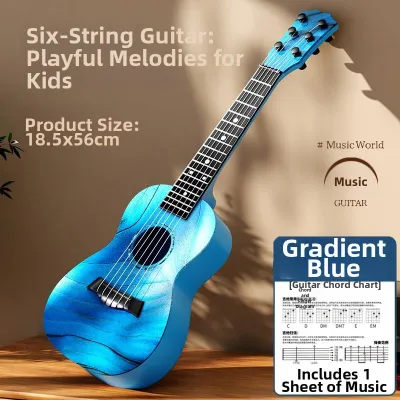
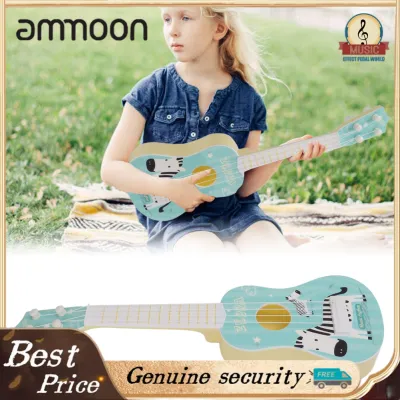
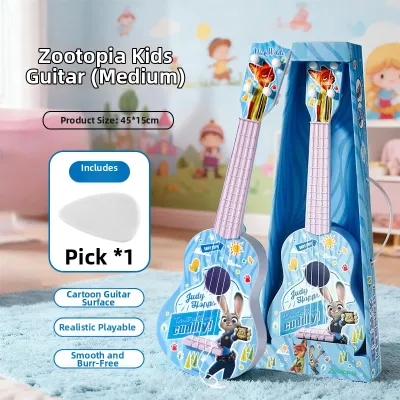
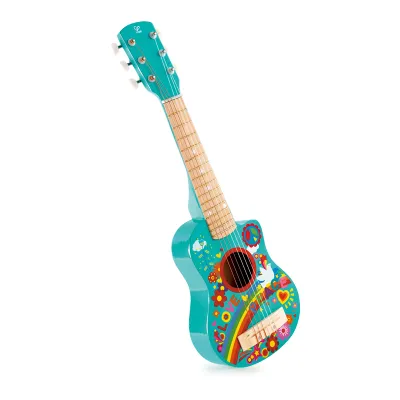

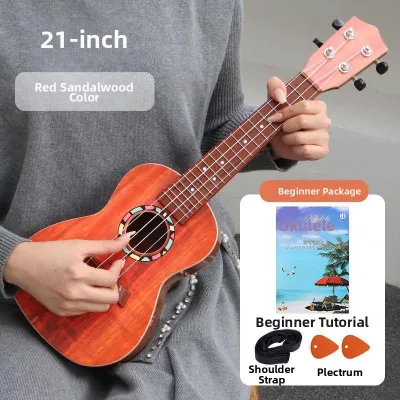

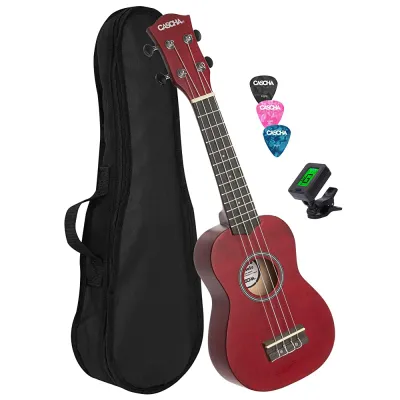
Prices are valid at publication and may change. Please refer to the product page for the latest price.
The soprano ukulele is the traditional, standard size and measures approximately 53 centimeters in length. It is widely considered the classic starting point for young beginners because of its lightweight body and bright, cheerful tone. The scale length is around 33 centimeters, offering a comfortable balance that fits easily in the lap of early elementary school students while providing enough room on the fretboard for basic chord shapes.
The concert ukulele is the next size up, measuring about 58 centimeters in total length with a scale length of approximately 38 centimeters. The slightly longer neck and wider body provide a deeper, warmer sound and, more importantly, wider spacing between the frets. This extra space is highly beneficial for older children whose fingers might feel crowded on a soprano fretboard, allowing them to form chords like C major or G7 without accidentally muting adjacent strings.
Fret spacing is a critical factor in playability because it dictates how far a child must stretch their fingers to play a chord. On a soprano ukulele, the frets are close together, which is perfect for small hands but can become difficult if a child has thicker fingers or a wider hand span. On a concert ukulele, the wider fret spacing requires a slightly larger hand span to reach across multiple frets, making it essential to match the instrument’s physical scale to your child’s actual hand measurements.
Matching Ukulele Size to Your Child's Age and Build
While physical measurements are the ultimate deciding factor, age brackets serve as a practical starting point when you begin shopping for a child’s ukulele. Children develop at different rates, so it is helpful to view these age recommendations alongside general physical builds. Combining age guidelines with an assessment of your child’s height and arm reach will help you narrow down the options quickly.
For toddlers and preschoolers aged two to four, a junior or sopranino ukulele is often the most manageable size. At this stage, the primary goal is to introduce the concept of holding an instrument and strumming without causing physical strain. The ultra-compact body of a junior model allows a toddler to wrap their arm around the instrument comfortably, preventing it from slipping out of their lap during play.
For children in early elementary school, generally aged five to eight, the soprano ukulele is almost always the ideal choice. Most children in this age group have the arm length required to hold a soprano body securely against their ribs while their fretting hand easily reaches the first few frets. The lightweight nature of the soprano ensures that young muscles do not tire quickly during short practice sessions at home.
As children reach the ages of nine to twelve, they often experience growth spurts that make the soprano ukulele feel restrictive. For these older kids and pre-teens, a concert ukulele is usually the most appropriate fit. The larger body size matches their longer torso and arms, allowing them to maintain a natural strumming motion over the soundhole without feeling like they are hunching over a tiny toy.
Transitioning from a smaller to a larger ukulele should occur when you observe signs that your child has outgrown their current instrument. If your child’s fingers constantly crowd each other when playing simple chords, or if their strumming arm feels awkwardly bent and cramped against their side, it is time to move up a size. A timely transition ensures that their technique continues to develop correctly without being hindered by an instrument that is physically too small.
How to Measure Hand Span and Arm Length for the Best Fit
To guarantee a successful purchase, you can perform a few simple physical measurements at home before visiting a music store or ordering online. Measuring your child’s hand span and arm length provides concrete data that overrides general age recommendations. These quick checks ensure that the instrument’s neck width and body depth align perfectly with your child’s physical proportions.
To measure your child’s hand span, have them stretch their dominant hand out as wide as possible on a flat surface, like a table. Use a standard ruler to measure the distance from the tip of the thumb to the tip of the pinky finger. A hand span of less than 12 centimeters generally points toward a junior or soprano ukulele, while a hand span of 15 centimeters or more indicates that the child can comfortably handle the wider fret spacing of a concert model.
Next, measure your child’s arm length to ensure their strumming hand can naturally reach the correct position over the soundhole. Have your child stand straight with their arms relaxed at their sides, then measure from the collarbone down to the wrist. If this measurement is under 35 centimeters, a soprano ukulele will allow them to cradle the body of the instrument comfortably under their arm while keeping their wrist flexible for strumming.
When testing a physical instrument in a local music shop, look for specific postural cues to verify the fit. Have your child sit on a chair without armrests and hold the ukulele in a playing position. The neck of the ukulele should point up at a slight angle, and your child should be able to wrap their fingers around the neck to press the strings without bending their wrist at an extreme, uncomfortable angle.
If you are purchasing from an online marketplace or specialized music retailer, always verify the store’s return and exchange policies before finalizing your order. Look for retailers that offer a clear trial period, allowing you to assess the instrument’s physical fit in the comfort of your home. This precaution is especially important if you are buying a gift and cannot measure the child’s hands beforehand.
Essential Features to Check Beyond Size
Finding the correct size is only the first step; you must also ensure that the ukulele is a genuine musical instrument rather than a cheap toy. Many low-cost products marketed for children are constructed from flimsy plastics that cannot hold their tuning, leading to immediate frustration for a young beginner. Checking a few key construction details will help you select a durable, playable instrument.
First, inspect the tuning pegs and the string material, as these components directly affect tuning stability. Look for ukuleles equipped with geared tuning pegs—which feature metal gears visible on the back of the headstock—rather than friction pegs, as geared tuners are much easier for parents and children to adjust precisely. The strings should be made of high-quality nylon or fluorocarbon, which feel gentle on young fingertips and hold their pitch reliably once stretched.
Second, run your fingers carefully along the top and bottom edges of the fretboard to check for sharp fret ends. In poorly manufactured instruments, the metal frets can protrude from the wood, creating sharp edges that can scratch or irritate a child’s fingers during play. A well-finished fretboard will have smooth, rounded fret ends that allow the hand to slide up and down the neck safely and comfortably.
Finally, consider the overall weight of the instrument and the practical accessories that support daily use. A heavy wooden ukulele can cause shoulder fatigue during standing practice, so look for lightweight laminate or high-quality composite models that offer durability without excess weight. Additionally, ensure you budget for a padded carrying bag to protect the instrument from humidity changes and accidental drops during trips to school or music lessons.
Frequently Asked Questions (FAQ)
Can a child start directly on a concert ukulele?
Yes, a child can start directly on a concert ukulele if they are taller than average for their age or have a hand span of 15 centimeters or more. If your child is around eight or nine years old and shows rapid physical growth, bypassing the soprano size is often a practical choice that ensures the instrument remains usable for several years. Always verify that they can hold the wider neck comfortably without bending their wrist excessively.
Do kids need a special type of string for smaller ukuleles?
Children do not need a custom string type, but they benefit greatly from standard, high-quality nylon or fluorocarbon strings. These materials offer lower tension compared to steel strings, making them much softer on sensitive fingertips and easier to press down. When replacing strings, check the manufacturer’s specifications for your specific ukulele model to ensure you purchase the correct tension and length.
How do I know if the ukulele is too heavy for my child?
You can identify if a ukulele is too heavy by observing your child’s posture during a ten-minute practice session. Signs of strain include slouching, raising the shoulder of the strumming arm to hold the instrument up, or complaining of wrist fatigue. If the instrument is slightly heavy but otherwise fits their hand span, using a clip-on ukulele strap can distribute the weight evenly across their shoulders and improve their playing posture.
Community discussion
Share your experience or ask a question. Comments are reviewed before publication.