
For violinists living in Singapore, managing the effects of a tropical climate on musical instruments and accessories is a constant task. Among these accessories, the choice of rosin for violin is one of the most critical yet frequently overlooked factors influencing tone production and playability. In Singapore’s year-round high humidity and warm temperatures, a harder, less tacky light rosin is generally the most reliable choice. This type of rosin resists softening in tropical heat, prevents excessive sticky buildup on the strings, and maintains a clean, clear tone. Selecting the wrong formulation can lead to a sluggish bow response, damaged varnish, and a compromised playing experience.
How Tropical Humidity Changes Rosin Performance
Rosin, or colophony, is a natural substance derived from pine resin. Because it is an amorphous solid, it lacks a sharp melting point and softens gradually as temperatures rise. In a tropical environment where relative humidity frequently exceeds 80 percent, rosin absorbs microscopic moisture from the air. This moisture absorption, combined with warm ambient temperatures, alters the physical state of the rosin on both the cake and the bow hair, making it softer and stickier than in dry climates.
When your rosin begins to fail due to high humidity, several observable signs will manifest. You may notice that the bow feels heavy, sluggish, or “gummy” as it moves across the strings, requiring more physical effort to produce a clean sound. Alternatively, the rosin may lose its grip entirely, causing the bow hair to slip across the strings without initiating proper vibration, resulting in a hollow, airy tone. Another common indicator is the rapid accumulation of a thick, white or grey crust on the strings and the body of the violin directly beneath the bowing area.
Products mentioned in this guide
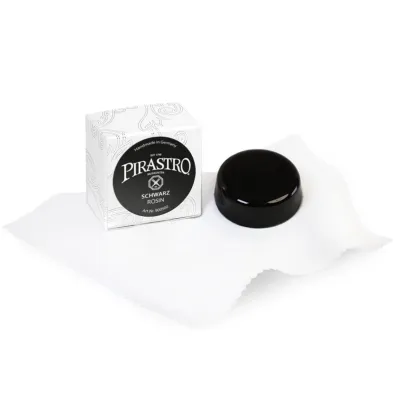
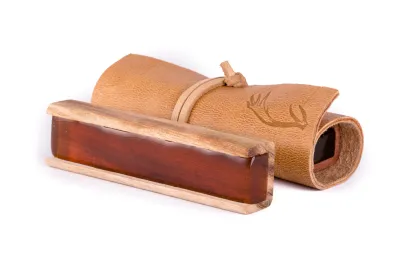
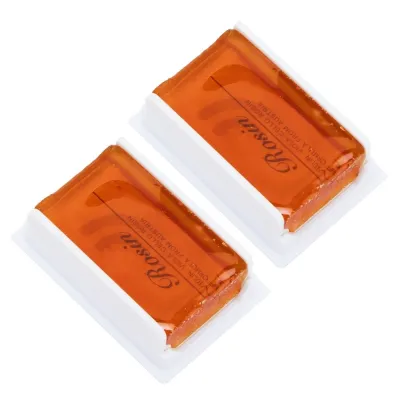
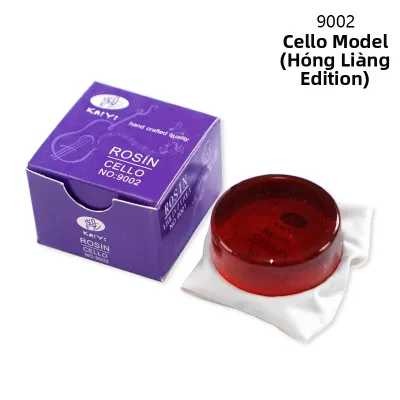
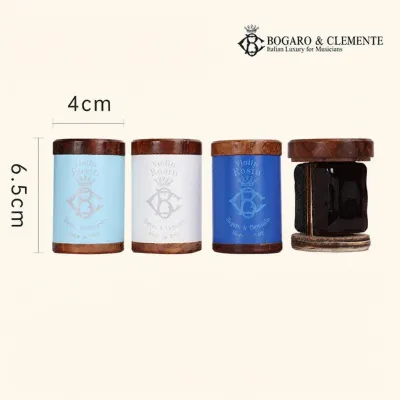
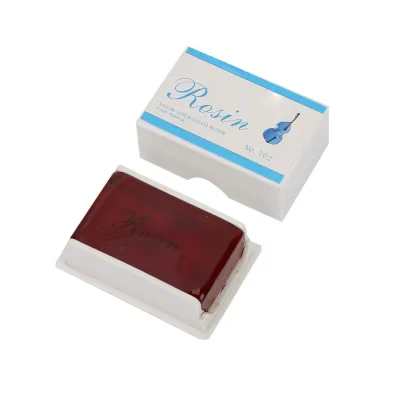
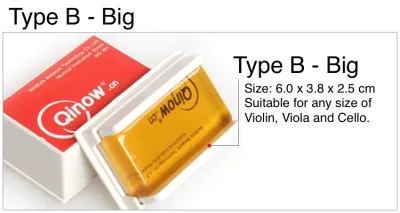

Prices are valid at publication and may change. Please refer to the product page for the latest price.
To avoid these issues, players must look beyond simple visual inspections of their rosin cakes. A cake that appears solid in an air-conditioned showroom can quickly soften when exposed to natural tropical air. Relying on manufacturer climate guidelines, technical specifications, and product labels is a much more reliable method for determining how a specific formulation will behave under local environmental conditions.
Light vs. Dark Rosin: Which Suits a Humid Climate?
The distinction between light and dark rosin lies primarily in the harvesting season and the distillation process. Light rosin is typically collected in the late winter or early spring and is distilled at lower temperatures for a shorter duration. This process yields a harder, denser cake with a higher melting point and less inherent tackiness. Because of these physical properties, light rosin is highly favored in warm, humid climates. It provides a crisp, clear articulation and a smooth grip that does not become overly sticky when exposed to moisture-heavy air.

In contrast, dark rosin is harvested in the late summer or autumn and is distilled longer at higher temperatures, often with added oils or metal dust to increase its softness and grip. While dark rosin is excellent for cool, dry climates, it presents significant risks in a tropical climate. In high heat and humidity, dark rosin can become excessively soft and gummy. This leads to a messy, sticky buildup on the violin strings, which dampens the high-frequency overtones of the instrument and can attract dirt, eventually damaging the delicate wood varnish if not cleaned immediately.
However, players should not rely solely on the color of the rosin cake to make their decision. Modern manufacturing techniques allow for synthetic or blended formulations where a dark-colored rosin may be chemically engineered to be hard, or a light-colored rosin may contain softening agents. To make an informed choice, always verify the actual hardness grade from the manufacturer’s specifications. Look for products explicitly categorized as “hard,” “summer,” or “high-tension,” as these are formulated to maintain their structural integrity and friction profile in warm, humid weather.
Evaluating Hypoallergenic Rosin for Tropical Weather
For violinists who suffer from allergies, asthma, or contact dermatitis triggered by traditional pine resin dust, hypoallergenic rosin offers a necessary alternative. These formulations are typically made from synthetic hydrocarbon resins or highly purified natural resins that have been processed to remove the specific allergens that cause respiratory and skin irritation. While these products provide immense relief for sensitive players, their performance in a tropical climate requires careful evaluation.
Hypoallergenic rosins are engineered to produce significantly less dust than traditional formulations. Because there is less loose powder to create friction, these rosins rely heavily on the inherent tackiness of the synthetic compound to grip the violin strings. In high humidity, this lack of dust can sometimes cause the bow to feel slightly slick or slippery, especially if moisture condenses on the strings. The balance between grip and release becomes more delicate, requiring the player to maintain precise bow speed and pressure.
When selecting a hypoallergenic rosin for tropical use, it is vital to check whether the manufacturer offers a “light” or “hard” variant of their formula. Some hypoallergenic brands produce a single, all-purpose formula, while others offer distinct hardness levels. Opting for a harder variant ensures that the synthetic compound will not soften excessively in the heat, preserving the necessary friction without turning into a gummy residue on your bow hair.
The primary trade-off when using hypoallergenic rosin in a humid environment is the balance between health comfort and acoustic grip. While you will enjoy a dust-free playing experience and reduced allergy symptoms, you may need to apply the rosin more precisely and clean your strings more frequently to prevent any moisture-induced slickness from affecting your tone.
A Buyer’s Checklist for Humidity-Resistant Rosin
When shopping for a new rosin for violin, having a structured checklist can help you navigate the wide variety of options available in music stores and online marketplaces. Because you cannot easily test the physical hardness of a rosin cake before purchasing, you must rely on specific indicators of climate suitability.
First, examine the product packaging and promotional materials for key label terms. Look for descriptors such as “hard,” “summer,” “tropical,” “all-weather,” or “high-temperature.” Some premium manufacturers offer dual-packs containing both a “summer” (harder) and a “winter” (softer) cake, which can be highly useful if you frequently travel or play in varying environments.
Second, pay close attention to the packaging design. Rosin is highly susceptible to absorbing ambient moisture, which accelerates its degradation. The ideal packaging for a tropical climate is an airtight container, such as a metal tin with a screw-top lid, a silicone mold with a secure cap, or a sturdy plastic case that seals tightly. Avoid rosin cakes that are mounted on simple wooden blocks wrapped in loose cloth, as these offer minimal protection against humid air.
Finally, verify the product details with the retailer or luthier. Ask if the formulation has been tested or widely used by local musicians in tropical regions. If purchasing online, ensure the seller stores their inventory in a temperature-controlled environment, as rosin stored in hot warehouses can melt or warp before it even reaches your doorstep.
Storing and Cleaning Rosin in High-Moisture Environments
Once you have selected the appropriate rosin, proper maintenance and storage are essential to preserve its physical properties and protect your violin. In a high-moisture environment, leaving your rosin exposed to the air or storing it incorrectly can ruin a high-quality cake in a matter of months.
Always store your rosin cake in its original airtight packaging when not in use. To provide extra protection against humidity, place the packaged rosin inside a small, sealable plastic bag along with a food-safe silica gel packet to absorb any residual moisture. Keep your violin case stored in an air-conditioned room or a cool, dry area of your home, away from direct sunlight, windows, and external walls where temperature fluctuations are most extreme. Never leave your instrument case in a parked car, as the intense heat can quickly melt the rosin cake into a useless puddle.
Routine cleaning of your violin is equally critical. Every time you finish playing, use a clean, dry microfiber cloth to gently wipe away any rosin dust from the strings, the fingerboard, and the varnished top plate of the violin. If left untouched, the combination of rosin dust, sweat, and high humidity will form a hard, sticky glaze that dampens string vibration and chemically bonds with the delicate oil or spirit varnish of your instrument, making it incredibly difficult to remove without professional restoration.
Despite your best efforts, rosin will eventually degrade over time. Clear indicators that your rosin has reached the end of its lifespan include a glossy, glass-like surface that refuses to transfer to the bow hair, a sticky or tacky texture at normal room temperature, or visible warping and cracking of the cake. If you observe any of these signs, or if your bow begins to slip consistently despite fresh application, it is time to replace your rosin cake.
Frequently Asked Questions (FAQ)
Can I use the same rosin year-round in Singapore?
Because Singapore experiences a tropical rainforest climate with minimal seasonal temperature variations, most violinists can successfully use the same hard, light rosin year-round. The primary variable is not the outdoor season, but rather your playing environment. If you transition frequently between naturally ventilated spaces and heavily air-conditioned concert halls or practice studios, the sudden drop in temperature and humidity can make your hard rosin feel slick and reduce its grip. In these situations, you may need to adjust your bowing technique slightly or keep a slightly softer rosin on hand for exclusive use in cold, dry, air-conditioned environments.
Does rosin expire or go bad in high humidity?
Yes, rosin does have a limited lifespan, which is accelerated by exposure to high humidity and temperature fluctuations. Over time, the volatile terpenes and oils within the rosin evaporate, causing the cake to become overly dry, brittle, and dusty, or conversely, to absorb moisture and become permanently sticky and ineffective. Under proper, moisture-controlled storage conditions, a high-quality cake of violin rosin typically remains in optimal condition for one to two years. If you notice a significant decline in grip, a scratchy tone, or physical changes in the cake’s texture, it is best to replace it to maintain your instrument’s performance.
Community discussion
Share your experience or ask a question. Comments are reviewed before publication.