
Choosing your first electric guitar strap is a crucial step that directly impacts your playing comfort, physical posture, and the safety of your instrument. While it is easy to get distracted by eye-catching patterns, the primary job of a strap is functional: it must support the weight of your guitar, distribute that weight evenly across your shoulder, and keep the instrument stable while you play. A poorly chosen strap can lead to shoulder fatigue, neck strain, or even a dropped guitar. By understanding how width, material, and strap locks work together, you can find a strap that makes practicing enjoyable and keeps your guitar safe.
Assess Your Guitar's Weight and Playing Style
Before you begin browsing online marketplaces or local music shops, you need to establish a baseline by assessing your specific instrument and how you play it. Electric guitars vary significantly in weight depending on their body style, wood type, and construction. For example, a solid-body electric guitar made of dense mahogany can weigh anywhere from 3.5 to over 4.5 kilograms. If you are playing a heavy solid-body guitar, your shoulder will bear a substantial load, meaning you will require a more robust, supportive strap to prevent discomfort during long practice sessions.
Your primary playing posture also dictates your strap requirements. If you plan to practice standing up—which is essential for preparing to play live or jam with friends—the strap will carry the entire weight of the guitar. This makes ergonomics and weight distribution your top priorities. Even if you prefer to practice sitting down in your bedroom, using a strap is highly recommended. A properly adjusted strap stabilizes the guitar on your lap, prevents it from sliding around, and helps you maintain a consistent playing angle, which is vital for developing correct fretting and picking techniques.
Products mentioned in this guide
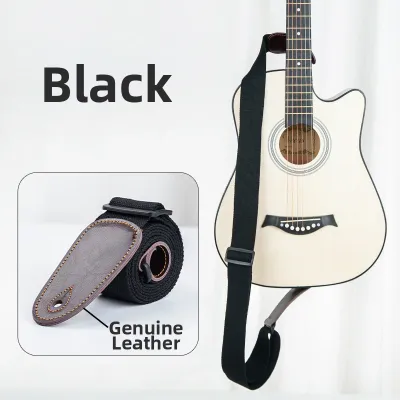
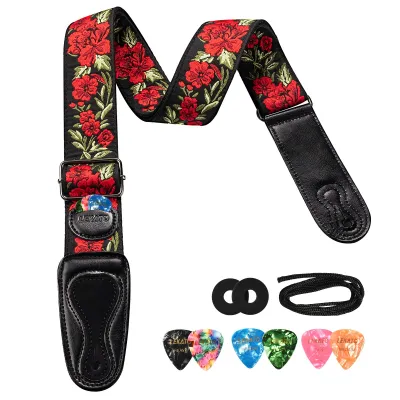
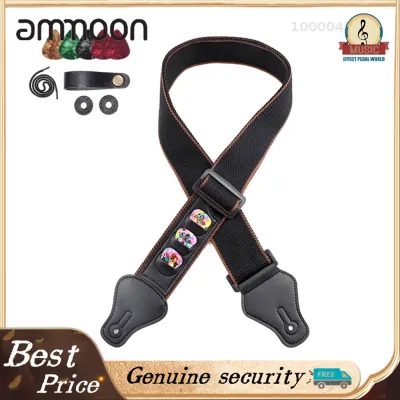
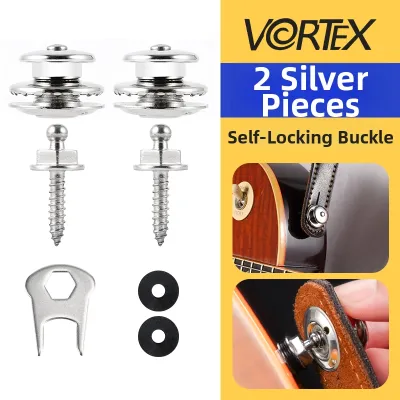
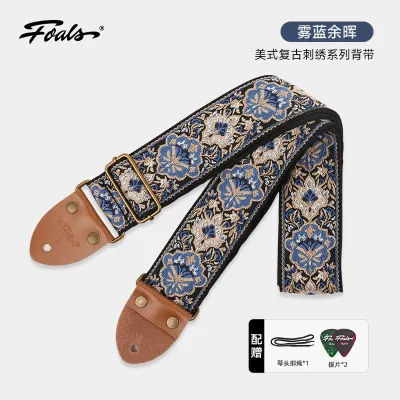
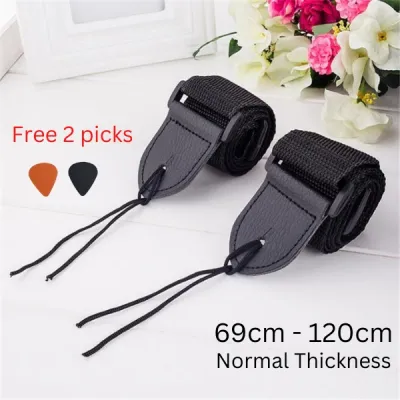
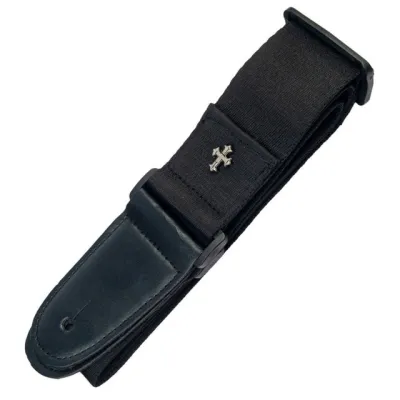
Prices are valid at publication and may change. Please refer to the product page for the latest price.
Finally, take your personal physical sensitivity into account. Some players are more prone to neck tension, collarbone pressure, or upper back fatigue than others. If you have a smaller frame or sensitive shoulders, you should prioritize straps with built-in padding or wider profiles. Identifying these physical needs early on ensures you do not waste money on a thin, unpadded strap that leaves you sore after just fifteen minutes of playing.
Choose the Right Strap Width for Comfort
The width of your guitar strap is the single most important factor in determining how comfortable your guitar feels over time. Standard guitar straps typically measure around 5 centimetres (2 inches) in width. This size is highly versatile, widely available, and perfectly adequate for lighter electric guitars or short playing sessions. However, if your first electric guitar is a heavier solid-body model, a standard 5-centimetre strap can quickly begin to dig into your shoulder muscle, creating painful pressure points and restricting blood flow.

To combat this, many players opt for wider straps, typically measuring between 6.3 centimetres (2.5 inches) and 7.5 centimetres (3 inches) or more. The physics behind this choice are simple: a wider strap increases the surface area over which the guitar’s weight is distributed. By spreading the downward force across a larger portion of your shoulder and upper back, a wider strap significantly reduces localized pressure, allowing you to play for longer periods without experiencing fatigue or muscle strain.
However, selecting the widest strap available is not always the best solution, as there is a trade-off between weight distribution and freedom of movement. An excessively wide or stiff strap can rub uncomfortably against your neck, restrict your shoulder joint, or interfere with your arm’s natural movement when you reach for the higher frets on the neck. For most beginners, a width of 6.3 to 7.5 centimetres offers the ideal balance, providing substantial weight relief while allowing your shoulder and arm to move freely.
When evaluating different options, look closely at the edges of the strap. High-quality straps often feature padded, contoured, or rolled edges. Rolled edges are particularly beneficial because they ensure the raw edge of the material—whether it is stiff nylon or thick leather—does not dig into your neck skin. This is especially important when practicing in warm, humid climates, where friction against bare skin can quickly cause chafing and irritation.
Select the Best Material for Durability and Feel
The material of your guitar strap determines its durability, how it feels against your body, and how much it grips or slides against your clothing. Natural materials like leather and suede are classic choices favored for their longevity and premium feel. A high-quality leather strap is incredibly durable and, much like a good pair of leather shoes, will naturally soften and conform to the shape of your shoulder over time. This custom break-in period results in a highly personalized, comfortable fit. Leather also offers a moderate amount of natural grip, which helps keep your guitar stable and prevents “neck dive”—a common issue where the headstock of the guitar naturally pulls downward.
On the other hand, woven synthetic materials like nylon, polyester, and polypropylene are excellent, budget-friendly options for beginners. Synthetic straps are lightweight, highly resistant to wear, and incredibly easy to clean. Unlike leather, they do not require a break-in period and are soft right out of the box. Synthetic materials also tend to be very slick, allowing the strap to slide easily across your clothing. This can be a major advantage if you like to reposition your guitar frequently while playing or transition between different standing postures.
However, the slickness of synthetic straps can also be a drawback if your guitar is poorly balanced, as the instrument may constantly slide out of your preferred playing position. If you choose a synthetic strap, look for models that feature non-slip backing materials, such as textured neoprene, brushed cotton, or integrated grip pads. Neoprene backings are particularly popular because they offer a slight stretch that cushions the shoulder while providing excellent grip.
In warm, tropical climates, sweat accumulation is another factor to consider. Synthetic straps can sometimes trap heat and moisture, making them feel sticky or uncomfortable against your shoulder. If you tend to run warm, a breathable woven cotton strap or a synthetic strap with a moisture-wicking mesh backing can provide a much cooler, more comfortable playing experience during long afternoon practice sessions.
Decide on Strap Locks for Security
One of the most overlooked aspects of choosing a guitar strap is how securely it attaches to your instrument. Standard electric guitars come equipped with simple metal pegs called strap buttons. To attach a basic strap, you simply slip the buttonholes at each end of the strap over these metal pegs. While this connection is relatively secure when the guitar is stationary, it can easily fail when you start moving. Over time, the buttonholes on your strap will naturally stretch, loosen, and wear out, making it much easier for the strap to slip off the button unexpectedly.
Because electric guitars are heavy and made of wood, a sudden strap failure can be catastrophic. If your guitar slips off the strap while you are standing, it will fall directly onto the floor, potentially cracking the body, breaking the headstock, or damaging the delicate electronic knobs and jacks. To prevent this expensive nightmare, investing in some form of strap security is highly recommended for every beginner.
You have two main options when it comes to securing your strap: built-in mechanical strap locks or aftermarket add-ons. Mechanical strap locks replace your guitar’s original strap buttons entirely. You screw a specialized metal button into your guitar, and attach a matching locking mechanism to your strap. When you put the strap on, the two pieces click together mechanically and cannot be separated without pulling a release pin. This system offers the highest level of security but requires some basic tool work to install.
If you prefer not to modify your guitar, aftermarket add-ons like rubber strap blocks or plastic twist-locks are an excellent, low-risk alternative. Rubber strap blocks are simple, inexpensive flexible washers that you stretch and slide over your existing strap buttons once the strap is in place. They act as a physical barrier that prevents the strap from slipping off the button. They are highly effective, require no tools to install, and are compatible with almost any standard guitar button, making them a perfect choice for beginners.
How to Attach and Test Your New Guitar Strap
Once you have selected your strap and security system, installing them correctly is essential to ensure your guitar remains safe. Start by laying your guitar flat on a clean, soft surface, such as a bed or a towel-covered table, to prevent scratching the finish. Identify the front and back of your strap; the adjustable buckle or slide should face outward, away from your body, so it does not scratch your guitar’s finish or rub uncomfortably against your shoulder.
Carefully thread the strap’s end holes over the guitar’s strap buttons. If your strap is brand new, the leather or synthetic ends may be quite stiff, and the holes might feel too small. Take your time and gently wiggle the button through the slit. Avoid using sharp tools to widen the hole, as this can tear the material and permanently weaken the connection. The strap end should sit completely flat against the base of the button.
Next, install your chosen security device. If you are using rubber strap blocks, stretch the rubber ring and slide it over the button peg so it sits snugly on top of the strap material. If you are using mechanical strap locks, ensure the locking mechanism is securely fastened to the strap using a wrench or pliers, then click it onto the guitar’s button, listening for a distinct click that confirms it is locked.
Before you lift the guitar, always perform a controlled weight test. Stand up while holding the neck of the guitar securely with one hand. Use your other hand to support the body of the guitar, and slowly let the strap take the weight of the instrument. Gently nudge the guitar and move your body slightly to ensure the strap ends remain flat and secure against the buttons. Keep your hands close to the guitar during this test so you can easily catch it if the connection slips. Once you are confident the strap is secure, you can play with peace of mind.
Frequently Asked Questions (FAQ)
Can I use an acoustic guitar strap for a heavy electric guitar?
While you can physically attach many acoustic guitar straps to an electric guitar, they are often not designed to handle the weight. Acoustic guitars are lightweight and hollow, so their straps are typically thinner, narrower, and lack the heavy-duty padding required for solid-body electrics. Using a thin acoustic strap on a heavy electric guitar can cause the strap to dig painfully into your shoulder, leading to rapid fatigue. Additionally, ensure the buttonholes on the strap are thick and robust enough to handle the heavier downward pull of an electric instrument without stretching out or tearing over time.
How do I clean and maintain a leather guitar strap?
To keep a leather guitar strap in good condition, wipe it down with a dry or slightly damp microfiber cloth after every playing session to remove sweat, body oils, and dust. This is particularly important in humid environments, where moisture can seep into the leather and cause it to degrade or develop mold. Avoid using harsh household detergents, soaps, or soaking the strap in water. Before applying any leather conditioners, creams, or oils to keep the leather supple, always check the manufacturer’s care label to ensure the product is safe for the specific finish of your strap.

Community discussion
Share your experience or ask a question. Comments are reviewed before publication.