
Picking up a guitar for the first time is an exciting milestone, but holding the instrument comfortably is just as important as learning your first chords. A guitar strap does more than just keep the instrument attached to your body; it establishes your playing posture, distributes the weight of the instrument, and protects your guitar from accidental drops. For beginners, choosing the right strap involves evaluating a few key physical specifications: width, material, length adjustability, and attachment methods. By understanding how these elements interact, you can find a strap that supports your practice sessions and keeps your instrument secure.
Why the Right Guitar Strap Matters for Beginners
When you first start learning the guitar, you will likely spend hours practicing basic chords, finger placements, and strumming patterns. During these long sessions, maintaining a proper posture is essential to avoid physical fatigue. A well-fitted guitar strap helps distribute the weight of the instrument evenly across your shoulder and back, reducing the likelihood of developing muscle strain or tension. This is particularly important for beginners who may not yet have developed the core strength or shoulder endurance required to hold a heavy instrument for extended periods.
Beyond physical comfort, a reliable strap acts as a primary safety measure for your instrument. Guitars can easily slip from your lap or hands, especially when you are transitioning between sitting and standing positions. A secure strap prevents accidental drops that could lead to costly structural damage, such as cracked headstocks or fractured necks. Additionally, choosing a strap with soft, non-abrasive materials and secure ends helps protect your guitar’s finish from scratches and wear around the strap buttons.
Products mentioned in this guide
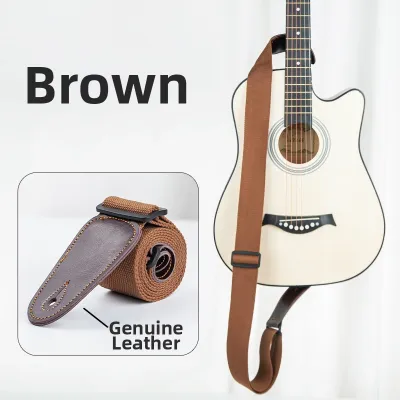

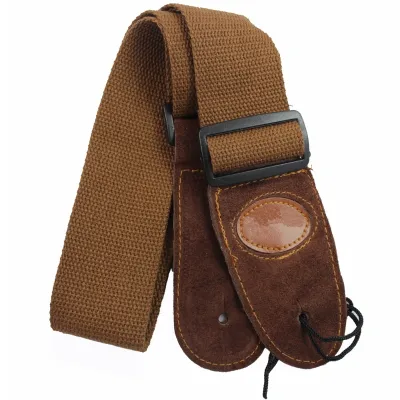
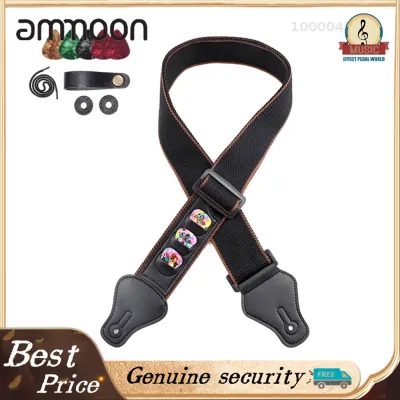
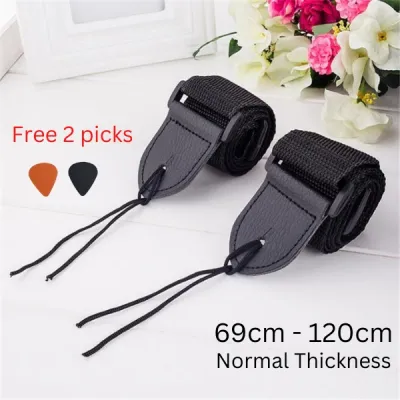
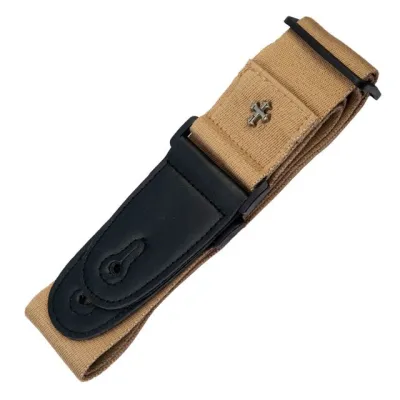
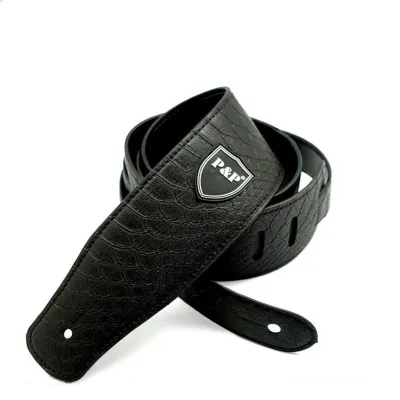
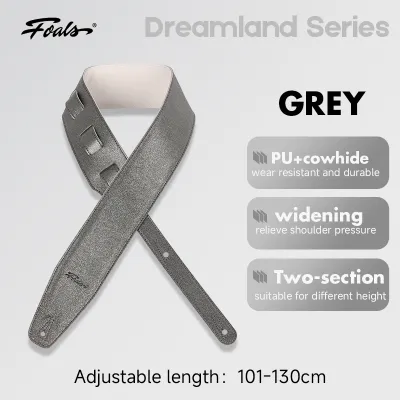
Prices are valid at publication and may change. Please refer to the product page for the latest price.
Core Features to Evaluate When Buying a Strap
Selecting your first guitar strap requires looking past aesthetic designs and focusing on the physical specifications that impact daily usability. The four primary dimensions to evaluate are strap width, material composition, length adjustability, and the attachment mechanism. Each of these features plays a distinct role in how the strap feels on your shoulder and how securely it holds your instrument.

These features do not work in isolation; they interact to support different playing environments and physical needs. For instance, a wide strap made of a slippery material might behave differently than a narrow strap made of high-friction suede. Understanding how to balance these four dimensions allows you to choose a strap tailored to your specific guitar type, body frame, and practice habits.
Strap Width and Weight Distribution
The width of a guitar strap directly influences how heavy the instrument feels on your shoulder. Standard straps typically range from 5 centimetres to 7.5 centimetres in width. For lightweight instruments, such as standard acoustic guitars or thin-bodied electric guitars, a narrower strap of around 5 centimetres is often sufficient. These straps offer excellent mobility and are easy to pack into a gig bag.
For heavier instruments, such as solid-body electric guitars or bass guitars, a wider strap of 7.5 centimetres or more is highly recommended. A wider surface area disperses the downward pressure of the guitar across a larger portion of your shoulder, preventing the strap from digging into your muscles. When evaluating a strap, check the thickness of any integrated shoulder padding and ensure the edges of the strap are soft and rounded, as sharp or stiff edges can cause chafing during long practice sessions.
Material Options and Longevity
Guitar straps are manufactured from a variety of materials, each offering distinct characteristics regarding durability, grip, and maintenance. Nylon and polyester woven straps are highly popular among beginners due to their exceptional durability, resistance to moisture, and ease of cleaning. These synthetic materials are incredibly strong and rarely stretch over time, though they can sometimes feel slippery against certain clothing fabrics, causing the guitar to shift while playing.
Leather and suede straps represent a more traditional option, valued for their classic aesthetics and natural grip. Suede, in particular, provides a high-friction surface that helps keep the guitar in a stable position, preventing the neck of the instrument from diving downward. While leather is highly durable and conforms to your body shape over time, it requires occasional maintenance to prevent drying or cracking, especially in humid climates like Singapore.
Cotton and hemp straps offer a comfortable middle ground, providing excellent breathability and a soft feel right out of the box. These natural fibers are gentle on the skin and offer a moderate amount of grip against clothing, making them a popular choice for casual home practice. When choosing a material, consider how much friction you prefer; a strap that slides too easily can make a neck-heavy guitar difficult to balance, while too much grip can pull at your clothing.
Length Adjustability and Playing Posture
A guitar strap must be adjustable to accommodate different body heights and playing styles. Most standard straps offer an adjustment range between 100 and 150 centimetres, which accommodates the majority of players. To find your ideal drop length, use a flexible measuring tape to measure from the top of your shoulder down to where you want the guitar body to rest, keeping your wrist at a comfortable, natural angle when fretting notes.
Your posture requirements will often change depending on whether you are sitting or standing. When sitting, the strap should be adjusted so that it just begins to take the weight of the guitar off your lap, keeping the instrument in the same relative position as when you stand. This consistency helps build muscle memory more quickly. When shopping, check the adjustment mechanism—such as a plastic slide buckle, a metal tri-glide, or a feed-through loop system—to ensure it is easy to adjust yet secure enough not to slip under the weight of the guitar.
Attachment Methods and Instrument Safety
The connection points between your strap and your guitar are critical for instrument safety. Most electric and acoustic-electric guitars feature metal strap buttons screwed into the body. Standard straps connect to these buttons via leather or synthetic end tabs featuring a small slit and a circular hole. Verify that these slit holes fit snugly over your guitar’s buttons; a hole that is too loose can easily slip off, risking a drop.
For traditional acoustic guitars that only have a single strap button at the bottom of the body, you will need a strap that includes a tie-loop string or a leather lace. This lace is threaded under the strings just behind the nut on the headstock and tied securely to hold the front end of the strap. Regardless of the attachment style, inspect the end tabs of any strap you consider to ensure they are reinforced with heavy stitching or dual-layer material, as these areas experience the most physical stress and are prone to tearing over time.
Matching the Strap to Your Specific Guitar Type
To avoid a mismatched purchase, it is helpful to pair your strap selection with the specific type of guitar you own. Acoustic guitars are generally lightweight but have deep bodies that project outward from your torso. Because they are light, you do not necessarily need a heavily padded or exceptionally wide strap. Instead, focus on finding a flexible cotton or lightweight woven strap that includes a headstock tie-loop if your acoustic guitar lacks a second strap button near the neck heel.
Electric guitars are typically heavier than acoustic models due to their solid wood construction and internal electronics. For a standard electric guitar, a strap width of 5 to 6.5 centimetres made from durable nylon or leather is usually the ideal choice. This width provides sufficient weight distribution for moderate practice sessions, while the standard dual-button attachment system ensures a secure connection to the upper horn and lower bout of the guitar body.
Bass guitars are the heaviest of the standard stringed instruments, often causing significant shoulder strain if paired with an inadequate strap. If you are learning the bass, look for a wide strap of at least 7.5 to 9 centimetres featuring thick neoprene or memory foam padding. The extra width and cushioning are essential for dispersing the heavy downward pull of the bass, allowing you to practice for longer periods without experiencing shoulder fatigue or posture misalignment.
How to Properly Attach and Adjust Your New Strap
Once you have selected your guitar strap, installing it correctly is the final step to ensuring your instrument remains safe and comfortable. Follow these sequential steps to properly attach and adjust your new strap before you begin playing:
First, if you are using an acoustic guitar without a neck-heel button, thread the tie-loop string or leather lace underneath the guitar strings directly behind the nut on the headstock. Ensure the lace does not press against the tuning pegs or interfere with the first fret, then tie a secure double knot. If your guitar has two strap buttons, skip this step.
Second, carefully stretch the strap’s slit holes over the metal strap buttons on your guitar. The fit should be tight; you may need to apply firm pressure to force the button through. Once the button is fully through, ensure the tab lies completely flat against the guitar body and is not twisted or partially caught on the lip of the button.
Third, stand up with the guitar and use the adjustment buckle to set the length. The guitar should rest at a height where your fretting hand easily reaches all frets without bending your wrist at an extreme angle. Once adjusted, sit down with the guitar to verify that the strap still supports a portion of the instrument’s weight and keeps it in a similar position.
Fourth, perform a gentle tug test before letting go of the guitar neck. Hold the guitar securely with one hand and gently pull on the strap near the attachment points to verify that the end tabs are firmly seated and will not slip off the buttons under movement. This simple check takes only a few seconds but provides peace of mind before you begin your practice session.
Frequently Asked Questions (FAQ)
Do beginners need to buy strap locks immediately?
Beginners do not need to purchase dedicated mechanical strap locks immediately. For quiet, seated practice at home, standard strap holes made of high-quality, stiff leather or reinforced synthetic materials are perfectly sufficient to keep your guitar secure. However, if you plan to practice while standing, move around actively, or notice that your strap’s end holes have become soft and loose over time, adding some form of security is highly recommended. You can opt for simple, inexpensive rubber washer-style strap blocks that slip over your existing buttons, or upgrade to mechanical strap locks if you transition to performing live on stage.
Is a padded strap necessary for a standard acoustic guitar?
A padded strap is generally not necessary for a standard acoustic guitar, as these instruments are hollow and relatively lightweight. Most players find that a standard, unpadded cotton or woven strap provides plenty of comfort for typical practice sessions. However, if you plan to practice standing up for multiple hours at a time, or if you have pre-existing shoulder sensitivity, the extra cushioning of a padded strap can be highly beneficial. Ultimately, the decision depends on your personal comfort threshold and how long you intend to play without taking breaks.

Community discussion
Share your experience or ask a question. Comments are reviewed before publication.